Hannes Storm Batters Finland, Leaving Thousands Without Power for Days

Latest from X
Hannes Storm Batters Finland, Leaving Thousands Without Power for Days
Helsinki, Finland – A powerful winter storm named Hannes has swept across Finland, causing widespread power outages, significant damage to the electrical grid, and major disruptions to daily life. The storm, which began on January 2, 2026, has left thousands of households without electricity, with some areas enduring outages for over five days. Repair efforts are in their final stages, but the scale of destruction has required extraordinary measures, including the use of helicopters and assistance from rescue services to reach remote island locations.
Widespread Power Outages and Damage
Storm Hannes struck Finland with ferocious winds and harsh weather conditions, leading to extensive damage to the country's power infrastructure. According to reports, over 115,000 households were initially left without electricity, with the Elenia network alone accounting for 42,000 affected customers. The storm's impact has been described as one of the most severe outages in a decade, with fallen trees and damaged power lines contributing to the crisis. Coastal areas bore the brunt of the storm, experiencing wind gusts exceeding 30 meters per second and wave heights surpassing seven meters in the southern Gulf of Bothnia.
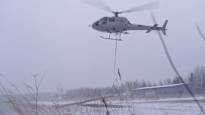
As of January 4, 2026, repair operations are nearing completion, but the process has been slow and complex. Elenia's readiness director estimated that the final cost of repairs could climb into several million euros, reflecting the extensive resources and specialized equipment required to restore power. In remote island areas, crews have resorted to using helicopters and enlisting the help of local rescue services to access and repair damaged infrastructure, as reported by Yle News.
Ongoing Challenges and Community Impact
The prolonged outages have tested the resilience of Finnish communities, particularly during the cold winter months when reliable electricity is critical for heating and basic needs. While the majority of affected households have had power restored, approximately 40,000 homes were still without electricity as of late December 2025, with restoration efforts expected to continue into the following week. The timing of the storm, coinciding with post-Christmas travel, exacerbated disruptions, stranding travelers and complicating recovery efforts.
Posts on X from local residents and observers highlight the severity of the situation, with many sharing images of fallen trees and describing the challenges of living without power in freezing conditions. These firsthand accounts underscore the storm's impact on daily life and the urgency of ongoing repair work.
Background: Finland's Vulnerability to Winter Storms
Finland, like much of the Nordic region, is no stranger to severe winter weather. Storms such as Hannes are a recurring challenge, often bringing high winds, heavy snowfall, and extreme cold that strain infrastructure and emergency services. The country's vast rural and coastal areas, coupled with its reliance on electrical heating, make power outages particularly disruptive. Historical data shows that similar storms in recent years have caused comparable damage, prompting ongoing investments in grid resilience and emergency preparedness.
Storm Hannes follows a pattern of intense weather events across the Nordic countries, with neighboring Sweden and Norway also reporting thousands of homes without power and tragic casualties in Sweden, where three deaths were linked to the storm (referred to as Johannes in some reports). These regional impacts highlight the broader challenges of climate-driven weather extremes in northern Europe.
Outlook: Recovery and Preparedness
As repair crews work tirelessly to restore power to the last affected areas, Finnish authorities and utility companies are assessing the long-term implications of Storm Hannes. The multimillion-euro repair bill raises questions about the need for further investments in strengthening the electrical grid against future storms. Community support systems have been activated to assist vulnerable residents, and emergency services remain on high alert for any additional weather threats.
While the immediate crisis is nearing resolution, the aftermath of Hannes serves as a stark reminder of the importance of preparedness in the face of increasingly unpredictable weather patterns. Finnish officials are likely to review response strategies and infrastructure vulnerabilities in the coming weeks to better safeguard against similar events in the future. For now, the focus remains on ensuring that every household regains access to power and that the hardest-hit communities receive the support they need to recover.
Track this story live
Live World Map
Monitor global events in real time with a live activity map and hotspot summaries.
Global Disaster Tracker
View earthquakes, volcanoes, floods, weather, and wildfire clusters in one place.
Hurricane Tracker
Live hurricane and tropical storm tracking with storm paths, categories, and alerts.
Tornado Tracker
Track active tornado warnings, watches, and severe weather alerts across the United States.
Original Sources
- •
- •Hannes storm cuts power and disrupts travel across Finland— Helsinki Times
Editorial process: This article was synthesized from the original sources cited above using The World Now's AI editorial system, with byline accountability from our editorial team. We grade every story for source grounding, factual coherence, and on-topic match before publication. Read more about our editorial standards and contributors. Spot something inaccurate? Let us know.
Last updated: January 17, 2026