
Greek Farmers Weigh Government's "Final" Offer Amid Planned Nationwide Highway Blockades
Athens, Greece – Greek farmers, locked in a month-long standoff with the government over soaring energy costs and delayed EU subsidies, are deliberating a newly proposed "final" package of measures as they prepare for a major escalation: a 48-hour nationwide highway shutdown starting January 8.
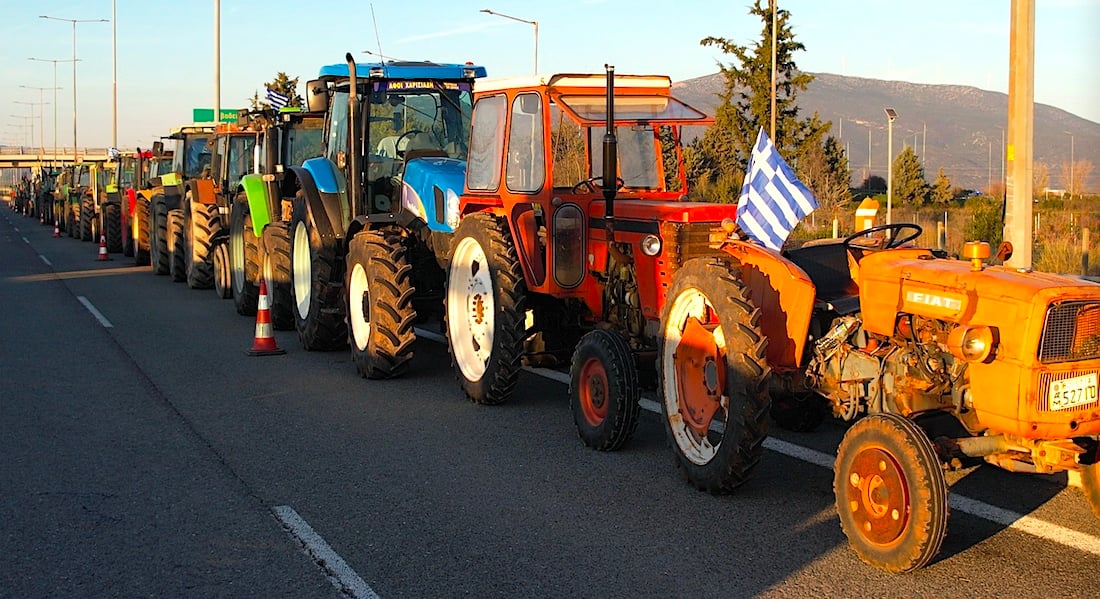
The protests, which began intensifying around January 4, have already seen blockades on key transit routes, disrupting supply chains and daily commutes across the country. On Wednesday, January 7, Greek ministers presented a detailed set of relief measures aimed at resolving the deadlock, but farmers remained cautious, demanding concrete timelines and guarantees before calling off their actions.
According to reports, the government's offer includes financial support to offset collapsing incomes, assistance for rising production costs—particularly energy—and commitments on subsidy payments. "The farmers are demanding concrete relief for soaring energy costs and guaranteed timelines for financial support payments," stated coverage from Greek Reporter, highlighting the core grievances fueling the unrest.
Ekathimerini detailed the package as a comprehensive response to a "month-long deadlock," addressing delayed EU subsidy payments and other economic pressures faced by the agricultural sector. Ministers hope the proposals will avert further disruptions, but no immediate agreement has been reached.
Escalation Looms with Highway Shutdown
The planned 48-hour blockade, set to commence on January 8, targets major highways, potentially paralyzing freight transport and exacerbating economic strain during the winter season. This move represents a medium-severity escalation in what has become a recurring cycle of farmer mobilizations in Greece.
Farmers' representatives have blockaded key arteries in recent weeks, echoing similar actions in previous years. The current wave of unrest, rated as medium severity by event trackers, underscores persistent challenges in the sector, including volatile global energy prices and bureaucratic delays in EU Common Agricultural Policy (CAP) funds.
Government Response and Farmers' Demands
The government's intervention on January 7 came after days of negotiations. Officials described the measures as a "final" effort to de-escalate tensions. Key elements reportedly include direct financial aid packages and policy adjustments to streamline subsidy disbursements, which have been hampered by administrative hurdles and EU-level funding timelines.
Farmers, however, expressed skepticism. They are "mulling over" the offer, as per Greek Reporter, insisting on binding commitments rather than vague promises. Primary demands center on immediate relief from electricity and fuel costs, which have surged amid global energy market fluctuations, and fixed schedules for subsidy payouts to stabilize incomes hit by low crop prices and adverse weather.
This impasse follows a pattern of protests that have periodically gripped Greece's rural economy. In late 2024 and early 2025, similar blockades drew thousands of tractors to Athens and regional roads, pressuring the New Democracy government under Prime Minister Kyriakos Mitsotakis to allocate emergency funds.
Background: A Long-Standing Rural Crisis
Greece's agricultural sector, a cornerstone of the economy employing around 10% of the workforce, has faced chronic issues exacerbated by the post-COVID recovery, the Ukraine war's ripple effects on energy and fertilizers, and EU green transition mandates. Delayed CAP payments—worth billions of euros annually—have left many farmers in debt, with production costs rising 30-50% in recent years according to sector analyses.
The European Commission has disbursed advance payments, but national distribution lags have fueled distrust. Mitsotakis' administration has pledged €200 million in prior aid rounds, yet protesters argue these fall short of needs amid inflation and declining yields from droughts.
Previous standoffs, such as the 2024 "tractor siege" of Thessaloniki, ended with partial concessions, but underlying issues persist. Labor unions and opposition parties, including Syriza, have voiced solidarity, framing the protests as a broader fight against austerity remnants.
Outlook: Tense Wait for Decision
As farmers convene to vote on the government's package, the nation braces for potential chaos on its highways. Acceptance could halt the January 8 shutdown and signal a breakthrough; rejection risks wider unrest, possibly drawing in other sectors.
Government spokespeople urge restraint, emphasizing the measures' scope. "This is aimed at ending the protests," Ekathimerini quoted officials as saying, while farmers warn of "no turning back" without firm assurances.
With Europe's agricultural discontent simmering—from French tractor marches to Polish border blockades—Greece's impasse highlights transcontinental pressures on food security and rural livelihoods. Resolution remains uncertain, but the stakes for Greece's economy and social fabric are high.
(Word count: 612)