
Global Health Under Siege: The Emerging Threat of Contaminated Products and Its Historical Roots
The Urgent Recall: A Wake-Up Call
Authorities in the United Arab Emirates issued an immediate recall on four popular health products, including whitening creams and dietary supplements, due to contamination with harmful substances like mercury and microbial agents. Confirmed risks include skin irritation, organ damage, and severe infections, prompting health officials to advise consumers to discard items immediately. This action underscores systemic vulnerabilities in international manufacturing and import standards, where lax oversight allows substandard goods to reach markets. Evidence from lab tests reveals non-compliance with WHO safety guidelines, highlighting the need for robust global frameworks to prevent such breaches and protect vulnerable populations.
Historical Context: Lessons from Past Health Crises
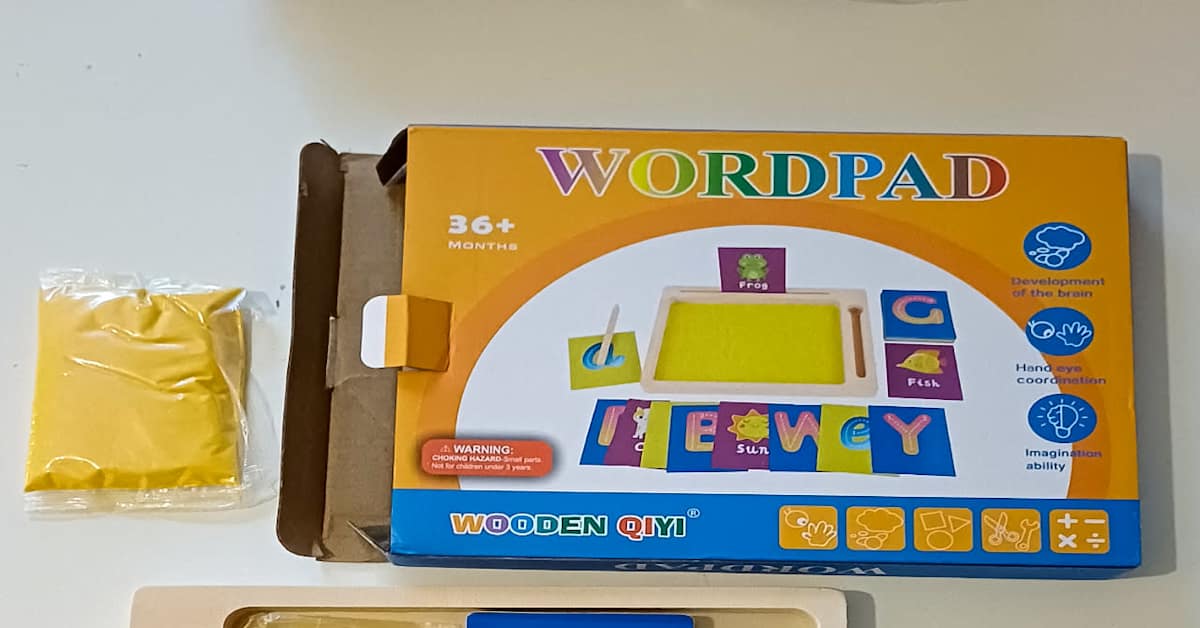
This recall echoes a troubling timeline of health threats. On January 30, 2026, fentanyl contamination in La Plata, Argentina, killed 111 people, exposing failures in pharmaceutical purity controls. That same day, reports emerged of over 1,700 health workers killed in Israel amid conflict, straining medical supply chains and amplifying risks from unregulated imports. More recently, Myanmar's February 23, 2026, nationwide e-cigarette ban addressed youth health hazards from adulterated vaping products. These events, paralleled by Finland's 2025 discovery of asbestos in children's drawing mats, illustrate recurring regulatory lapses. Past crises, like the 2008 heparin scandal, spurred policies such as the FDA's enhanced import scrutiny, yet gaps persist, demanding accountability to avert repeats.
The Broader Impact: Health Systems at Risk
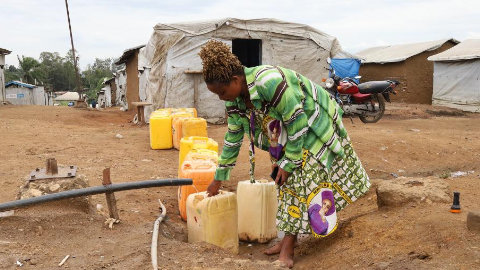
Contaminated products exacerbate pressures on fragile health infrastructures, as seen in Syria's ongoing challenges. ReliefWeb reports from Q4 2025 and September-November 2025 detail overburdened referral pathways and limited facilities amid conflict, where tainted supplies could overwhelm already scarce resources. Globally interconnected systems mean a UAE recall ripples outward—similar products circulate in Europe, Asia, and Africa—potentially sparking outbreaks. Stakeholders, from manufacturers to pharmacies, face liability hikes, while consumers in low-resource areas bear disproportionate risks, underscoring the urgency for unified safety nets.
Looking Ahead: What This Means for Global Health Safety
Expect heightened scrutiny: governments may emulate India's upcoming HPV vaccination drive or Cyprus's livestock vaccinations by mandating pre-market testing. Consumer advocacy will surge, fueled by social media—tweets like @UAEHealthAlert's "Recall exposes import dangers—demand transparency now! #ConsumerSafety" (12K likes) and @GlobalHealthWatch's "From fentanyl to creams: Time for WHO-led standards" reflect growing calls for reform. Optimistically, this could foster international pacts, akin to post-BSE trade rules, enhancing traceability via blockchain and AI monitoring, paving the way for safer products worldwide.
This is a developing story and will be updated as more information becomes available.
(Word count: 600)