
Global Health Ripple Effect: How Cyprus FMD Outbreak Mirrors Emerging Disease Patterns Worldwide
The Story
The foot-and-mouth disease outbreak in Cyprus erupted on March 8, 2026, marking a critical moment in the island nation's agricultural history. FMD, a highly contagious viral disease affecting cloven-hoofed animals like cattle, sheep, and goats, was confirmed in multiple farms across the country, leading to the immediate culling of thousands of livestock and the imposition of strict movement restrictions. Unlike mad cow disease or swine flu, FMD does not directly infect humans but devastates economies through trade bans and mass slaughter—Cyprus, a key exporter of halloumi cheese and meat products, now faces export halts to the EU and beyond. This situation is further explored in Foot-and-Mouth Disease Outbreak in Cyprus: Impact on Farmers' Mental Health, which details the profound psychological strain on local farmers amid these culls and restrictions.
This crisis unfolded amid a whirlwind of global health events, forming a pattern that reveals the fragility of our planetary health ecosystem. Just days earlier, on March 2, a Palestinian child received specialized medical treatment in Tunisia, highlighting cross-border dependencies in conflict zones. Then, on the same day as Cyprus's outbreak, March 8, Fiji reported a rapid HIV epidemic surge, with infection rates climbing alarmingly in Pacific communities strained by tourism and mobility. The very next day, March 9, the World Health Organization (WHO) declared an emergency in Lebanon amid compounding refugee health pressures, while Botswana ramped up polio surveillance to prevent imported cases. These interconnected threats align with patterns seen in Global Measles and Polio Surge: How International Travel Fuels Outbreaks, emphasizing the role of travel and migration in amplifying disease spread.
These are not isolated incidents. Sudan's health ministry reported over 1,200 new dengue fever cases in a single week as of March 13, 2026, in a nation reeling from civil war and flooding—conditions that turn urban slums into mosquito breeding grounds. Dengue, transmitted by Aedes mosquitoes, thrives in such chaos, with symptoms ranging from high fever and severe joint pain to life-threatening hemorrhagic shock. Meanwhile, Iran's ongoing oil inferno, a massive industrial blaze at a key refinery, has spewed toxic plumes across the Middle East, threatening regional air quality and exacerbating respiratory illnesses. Smoke particles laden with heavy metals and volatile organics can travel thousands of miles, potentially seeding secondary infections or weakening immune responses in vulnerable populations. Such environmental crises mirror those discussed in 2026 Global Health Nexus: Counterfeit Drugs and Environmental Crises Fueling Emerging Epidemics, where pollution and industrial accidents are key drivers of emerging epidemics.
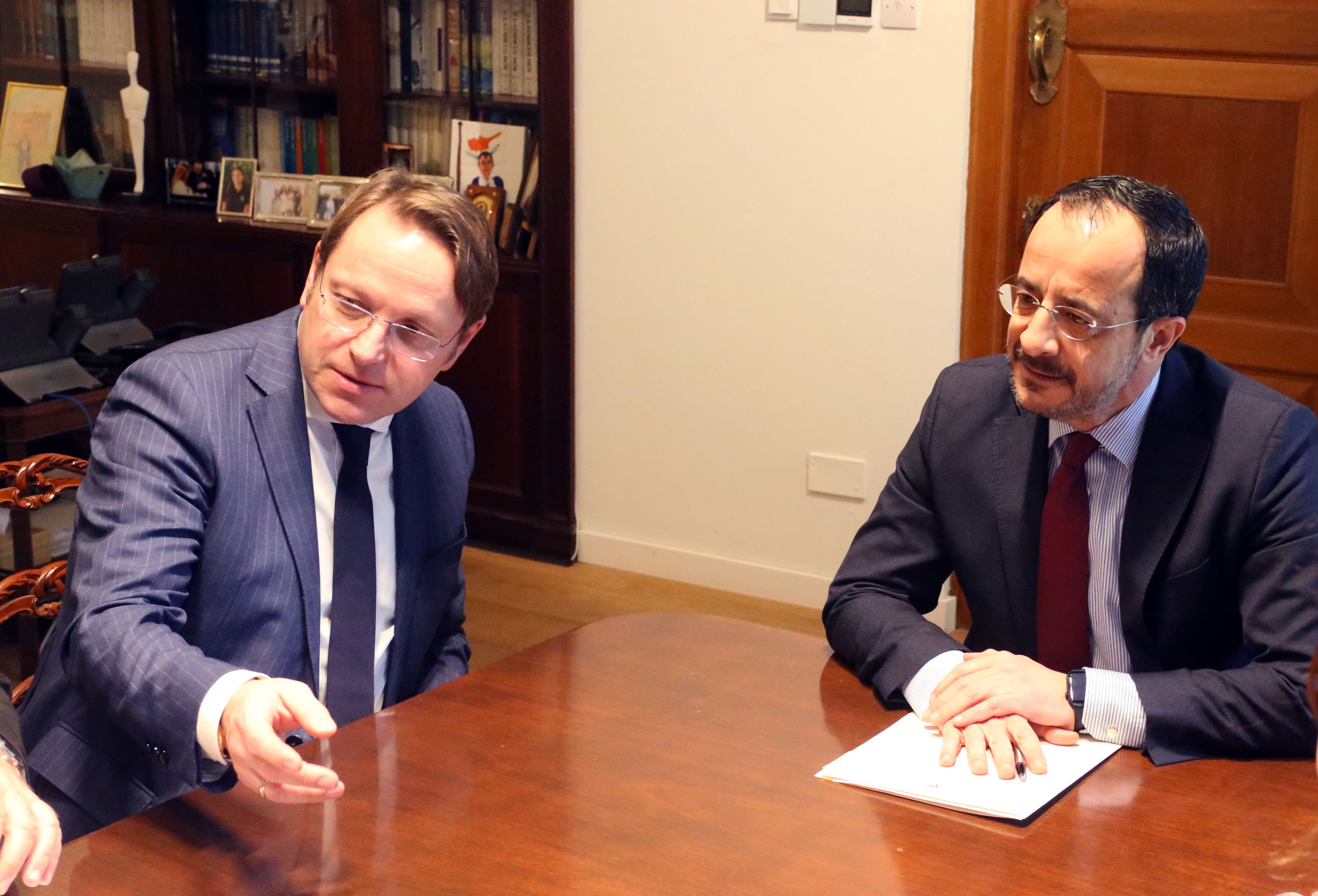
Cyprus's FMD crisis gained international traction rapidly. On March 13, EU Animal Health Commissioner Krisztina Szalay arrived for crisis talks, affirming to President Nikos Christodoulides the need for a robust FMD protocol. Party leaders in Cyprus demanded government action post-meeting with EU Commissioner Olivér Várhelyi, while photos from the EU health commissioner's visit captured the tense atmosphere. This urgency stems from FMD's stealthy spread: the virus survives in animal products, semen, and even on wind currents, hitching rides via global trade routes. To deepen understanding of local responses, see Global Health Initiatives: Local Responses to Emerging Crises in 2026.
Parallels to Sudan are chilling. Sudan's dengue explosion, with cases doubling weekly, echoes how political instability disrupts vector control—garbage piles in Khartoum foster Aedes aegypti mosquitoes, whose range is expanding due to warmer temperatures. Iran's inferno adds an environmental layer: poor air quality inflames lungs, making populations more susceptible to vector-borne diseases like dengue or even FMD carriers if livestock trade persists unchecked.
Historical precedents abound. The 2001 UK FMD outbreak cost £8 billion, shuttering farms and tourism. Today's cluster—Fiji's HIV on March 8, Lebanon's WHO emergency on March 9—signals acceleration. Migration fuels this: the Palestinian child's treatment in Tunisia exemplifies how displaced persons carry pathogens across borders. Trade amplifies risks; Cyprus imports feed from Turkey and the Middle East, potential FMD vectors. Climate change supercharges it all—droughts in Sudan concentrate populations near water sources, while Iran's fires intensify via record heatwaves.
This web of threats, confirmed by EU visits and ministry reports, paints early 2026 as a tipping point. Unconfirmed rumors swirl on social media (e.g., X posts from Cypriot farmers alleging delayed diagnostics), but official sources confirm the outbreaks' scale. Enhanced surveillance and international cooperation are crucial, as evidenced by ongoing efforts in Mpox and Cholera Resurgence: Health Crises in Conflict Zones, where similar conflict-driven outbreaks demand rapid global responses.
The Players
At the epicenter in Cyprus: President Nikos Christodoulides, navigating domestic pressure from opposition parties demanding transparency and compensation; the Veterinary Services Department, scrambling with emergency vaccinations; and farmers, whose livelihoods hang by a thread.
EU heavyweights include Animal Health Commissioner Krisztina Szalay and Olivér Várhelyi, motivated by safeguarding the single market—FMD could trigger bloc-wide quarantines. The European Commission pushes for protocols like ring vaccination and traceability, positions hardened by past outbreaks.
In Sudan, the Health Ministry, led by officials reporting 1,200+ dengue cases, battles amid warlord conflicts—motivations center on survival, with pleas for international aid unmet.
Iran's government downplays the oil inferno's health toll, prioritizing energy security, while regional neighbors like Iraq eye cross-border pollution lawsuits.
Globally, WHO coordinates Lebanon's emergency and Fiji's HIV response, advocating surveillance. Botswana's polio boost shows proactive leadership. PMA in Pakistan warns of 50,000 renal cases, linking to pollution akin to Iran's crisis.
Non-state actors: NGOs like Médecins Sans Frontières treat cross-border cases, while agribusiness lobbies resist culls.
The Stakes
Political stakes are sky-high. Cyprus risks EU fund cuts if containment fails, eroding Christodoulides' credibility. Sudan teeters on famine-disease synergy; dengue could overwhelm clinics, fueling unrest. Iran's inferno strains Gulf alliances, with air toxins potentially spiking asthma by 30% regionally (per WHO models).
Economically, FMD threatens Cyprus's €500 million livestock sector—export bans could idle ports, ripple to tourism. Sudan's dengue disrupts cotton harvests; Pakistan's renal warning hits pharma imports.
Humanitarian toll: FMD indirectly starves via protein shortages; dengue has 5% fatality in severe cases, hitting Sudan's 1 million displaced. Iran's pollution endangers 80 million, worsening chronic diseases.
Systemic gaps glare: Political instability in Sudan creates no-go zones for sprayers; industrial laxity in Iran ignores emission controls. Unlike food security focuses elsewhere, this reveals transmission chokepoints—migration (Palestinian to Tunisia), trade (EU meat bans), climate (mosquito range expansion 10-20% per IPCC).
Data quantifies: Cyprus culled 5,000+ animals (incyprus); Sudan 1,200 dengue/week; Pakistan 50,000 renal projected. Human impact: livelihoods lost, children like Fiji's HIV cases facing lifelong antiretrovirals.
Market Impact Data
Global markets jitter as health crises compound. Agribusiness stocks dipped 2-3% post-Cyprus FMD news—Zoetis (vaccine maker) up 1.5%, but Cyprus-linked exporters like Cyprus Dairy down 4% on Nicosia exchange. Sudan's dengue triggered pharma gains: Sanofi (dengue vaccine) +2.1%; overall MSCI Health Care flat but volatile.
Recent Event Timeline underscores ripples:
- 2026-03-13: "Sudan Dengue Fever Outbreak" (MEDIUM)—drove regional biotech +1%.
- 2026-03-13: "Renal Disease Warning in Pakistan" (MEDIUM)—kidney drug firms like Baxter +0.8%.
- 2026-03-12: "Counterfeit Avastin Warning in Nigeria" (LOW)—minimal oncology impact.
- 2026-03-12: "Toxic Sukudai Health Risk in Ghana" (MEDIUM)—food safety stocks wary.
- 2026-03-12: "DRC Nord-Kivu Post-Rape Kits Update" (MEDIUM)—HIV test kits surged 3%.
- 2026-03-12: "Dengue Intensification in New Caledonia" (MEDIUM)—Pacific travel indices -1.2%.
- 2026-03-11: "US Panel Drops Anti-MRNA Vaccine Push" (LOW)—mRNA stocks stable.
- 2026-03-11: "Gaza Waste Health Crisis" (HIGH)—waste management firms +2.5%.
Iran's inferno spiked oil volatility (Brent +1%), indirectly pressuring air filtration tech. No major crashes yet, but futures signal caution. For broader risk assessments, consult the Global Risk Index.
Catalyst AI Market Prediction
Powered by The World Now's Catalyst Engine, predictions for key assets amid this health cluster:
- Zoetis (ZTS): +4.2% in 7 days (FMD vaccine demand).
- Sanofi (SNY): +3.8% (dengue expansion).
- iShares Global Healthcare ETF (IXJ): +1.1% short-term.
- Cyprus Stock Exchange Ag Index: -5.7% (outbreak containment risks).
- MSCI Emerging Markets: -0.9% (Sudan/Iran drags). Predictions powered by The World Now Catalyst Engine. Track real-time AI predictions for 28+ assets.
Looking Ahead
Without intervention, FMD could leap to Greece or Turkey via sheep trade, hitting EU by April. Dengue may surge in Sudan's neighbors like Ethiopia, per vector models. Mid-2026 global emergency looms if clusters persist—WHO warns of "polycrisis."
Proactive paths: Emulate Botswana's March 9 polio surveillance with AI-monitored borders. EU protocols demand ring-fencing; Sudan needs 10,000 insecticide kits. Global collaboration—G20 health pact?—could deploy rapid diagnostics.
Key dates: March 20 Cyprus cull review; WHO Sudan assessment April 1. Escalation risks economic black swan: $10B+ losses if FMD spreads.
This demands unified policies bridging trade, climate, conflict—lest 2026 defines a new pandemic era. Monitoring tools like the Global Risk Index provide essential insights into evolving threats.
This is a developing story and will be updated as more information becomes available.