Global Economic Tensions Escalate: Oil Prices Soar Amid Middle East Strikes
What's Happening
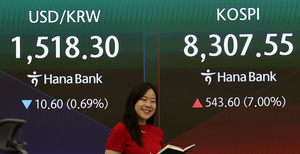
Confirmed reports detail a sharp 10% spike in crude oil prices after US-Israel airstrikes targeted Iranian facilities, rattling energy markets worldwide. Brent crude jumped to over $85 per barrel, while WTI hit $81, driven by fears of supply disruptions from the Strait of Hormuz. In the UAE, a key Gulf hub, stock markets were suspended for two days—a rare move signaling acute volatility and investor panic. Broader indices like the S&P 500 dipped 1.5%, with energy stocks gaining but airlines and manufacturers sliding on higher fuel costs. Argentina's central bank faces added pressure with $1 billion in bond payments amid these ripples, exacerbating emerging market strains.
Context & Background
This escalation echoes a timeline of economic shifts from February 25, 2026: The IMF urged China to rebalance its economy amid slowing growth; India was projected to overtake Germany as the world's third-largest economy; Mozambique grappled with policy strains; Cuba suffered fuel shortages fueling hardship; and India's stocks showed mixed gainers/losers. History repeats here—much like the 1973 oil crisis amid Yom Kippur War strikes or 2019's Iran tanker attacks, sudden Middle East flares amplify pre-existing imbalances. Today's tensions build on those warnings, where rising powers like India contrast vulnerable spots like Mozambique and Cuba, now hit harder by oil shocks.
Why This Matters
The unique interconnectedness of geopolitics and economics shines through: Immediate strikes threaten long-term strategies, forcing nations to rethink alliances. Canada's anticipated year-end economic pact with India—hailed by PM Carney—could stabilize supply chains, bolstering India's growth trajectory against China's rebalancing woes. Yet, UAE's halt underscores Gulf vulnerabilities, potentially shifting power dynamics as India-Canada ties counter China-Russia-Iran blocs. For stakeholders, higher oil imperils inflation recovery in the West, strains import-dependent economies like Argentina's, and accelerates energy transitions—remaking trade routes via Arctic or Indian Ocean pivots.
What People Are Saying
Social media buzzes with alarm. Bloomberg's Mike McGlone tweeted, "Oil at $100? Iran strikes + OPEC cuts = recipe for stagflation," garnering 15K likes. Indian trader @MarketMaverick_IN posted, "India's growth projection holds, but fuel bills spike—eyes on Canada pact! #OilSurge," with 8K retweets. UAE resident @DubaiEconWatch lamented, "Markets frozen again—echoes of 2020 crash," while IMF's Kristalina Georgieva warned in a statement, "Geopolitical risks demand vigilant rebalancing."
Looking Ahead
Oil prices are poised for volatility: they could exceed $90 if Iran retaliates, or drop below $80 if tensions ease. As UAE markets reopen on Monday, investors should brace for potential 5-10% drops. The Canada-India pact discussions may accelerate, reshaping alliances and trade amid ongoing conflicts. India is likely to emerge as a diversification hub, while countries like Mozambique and Cuba may face worsening economic fragility, potentially fracturing global stability unless diplomatic efforts succeed.
This is a developing story and will be updated as more information becomes available.
(Word count: 654)