
Geopolitics Iran: Trump Reviews New Proposal for Ending the War
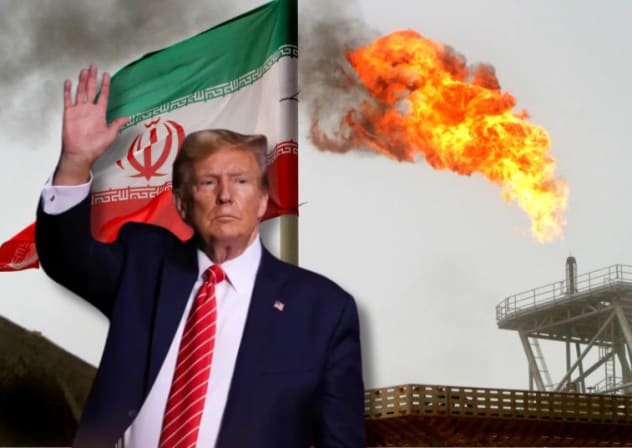
In the evolving landscape of geopolitics Iran, US President Trump is reviewing a new Iranian proposal for a comprehensive peace framework but remains skeptical, believing Iran has not paid a sufficient price for its past actions.[2] Iran has submitted a 14-point plan that includes requests for security guarantees, withdrawal of US forces, and sanctions relief.[2] Trump has expressed doubt about the proposal's acceptability and hinted at potential military action if necessary, stating that the US could restart strikes on Iran if it misbehaves.[2][3] Iran has criticized Trump's remarks as a 'damning' admission of US violations of international law, urging the UN and international community to reject such actions.[4] The ongoing situation carries broader geopolitical implications, with reports indicating that the Iran war has strengthened Ukraine and raised questions about a possible ceasefire with Russia.[1]
Overview of the Iranian Proposal
The Iranian proposal represents a detailed effort to outline a path toward ending the ongoing conflict, structured as a 14-point plan submitted to the United States.[2] Key elements of this framework, as reported, focus on securing long-term stability through specific concessions from the US side. Primarily, Iran seeks robust security guarantees that would protect its sovereignty and regional interests from external threats.[2] This includes demands for the complete withdrawal of US military forces from the region, a move aimed at reducing perceived encirclement and foreign intervention.[2] Additionally, the plan calls for comprehensive sanctions relief, which Iran views as essential to rebuilding its economy and normalizing international relations after years of restrictions.[2]
These components are designed to address core grievances that have fueled tensions, positioning the proposal as a comprehensive peace framework rather than piecemeal negotiations.[2][5] The submission of this plan comes at a critical juncture, as President Trump himself acknowledged receiving the details, noting that he would receive the exact wording for review.[5] Observers note that such multifaceted demands reflect Iran's strategic objectives: not only immediate de-escalation but also structural changes to prevent future escalations.[2] The 14-point structure suggests a thorough diplomatic approach, potentially drawing from prior negotiation templates but tailored to current battlefield realities and economic pressures.[2] While specifics beyond these headlines remain limited in public reporting, the emphasis on security, withdrawal, and sanctions underscores Iran's prioritization of verifiable commitments over vague assurances.[2][5]
Trump's Response and Skepticism
US President Donald Trump has approached the Iranian 14-point plan with notable caution, publicly expressing significant doubt about its viability.[2][3][5] In statements made before boarding Air Force One, Trump indicated he was actively reviewing the proposal but tempered expectations by saying, "I'll let you know about it later," and later posting on Truth Social about receiving the exact wording.[5] Central to his skepticism is the belief that Iran has not yet "paid a big enough price" for its past actions, a recurring theme in his commentary that frames any peace deal as contingent on accountability.[2][3]
Trump's rhetoric has escalated beyond mere doubt, with direct warnings of military repercussions. He stated that the US could restart strikes on Iran "if they misbehave," signaling that unacceptable behavior would prompt renewed offensive operations.[3] This position aligns with his broader cautious stance, where he described the proposals as unlikely to be acceptable given Iran's history.[3] Such comments highlight a review process not conducted in isolation but against the backdrop of recent hostilities, where Trump views insufficient concessions from Tehran as a non-starter.[2] His hints at potential military action serve as both a negotiating lever and a deterrent, reinforcing that diplomacy alone may not suffice without demonstrated Iranian restraint.[2][3]
This skepticism is contextualized by Trump's ongoing engagement with the proposal's details, suggesting an internal evaluation is underway even as public reservations dominate his messaging.[5] The combination of review acknowledgment and conditional threats paints a picture of strategic patience, where acceptance hinges on alignment with US security priorities and punitive measures for prior conduct.[2][3][5]
Iran's Criticism of US Statements
Iran has sharply rebuked President Trump's recent remarks, interpreting them as a 'damning' admission of US violations of international law.[4] Specifically, Tehran pointed to Trump's reference to 'pirates' in the context of maritime actions, framing it as evidence of aggressive US behavior at sea that contravenes global norms.[4] Iranian officials have urged the United Nations and the broader international community to reject any normalization of these 'blatant violations,' positioning Trump's words as an inadvertent confession rather than mere rhetoric.[4]
This criticism amplifies Iran's narrative of US hypocrisy in peace talks, where American threats undermine diplomatic credibility.[4] By elevating the issue to the UN level, Iran seeks to internationalize the dispute, potentially garnering support from allies and neutral parties to pressure Washington.[4] The response underscores a deepening rift in perceptions: while Iran advances its 14-point plan as a constructive step, it views Trump's strike warnings and past actions as obstacles to genuine resolution.[4] This exchange of statements has intensified the war of words, complicating the atmosphere around the proposal's review.[4]
Geopolitics Iran: Geopolitical Context and Implications
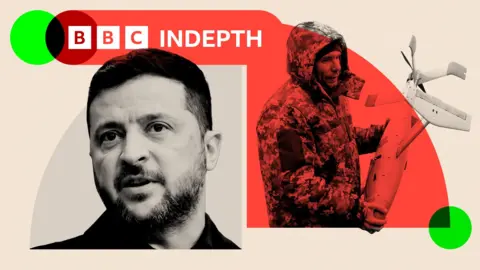
The Iran situation extends far beyond bilateral US-Iran dynamics, influencing global alignments in notable ways.[1] Reports highlight how the Iran war has unexpectedly strengthened Ukraine, providing indirect benefits amid its own conflict with Russia.[1] This bolstering is attributed to shifts in military resources, attention, and possibly supply chains that have favored Kyiv's position.[1] Ukrainian President Zelensky's visits to the Gulf region further demonstrate his country's military capabilities, signaling proactive diplomacy in the Middle East to leverage these gains.[1]
Such interconnections raise questions about broader regional shifts, including the potential for a Russia-Ukraine ceasefire growing closer due to diverted pressures from the Iran theater.[1] In the context of geopolitics Iran, these developments suggest a ripple effect where prolonged US-Iran tensions redistribute global power balances, empowering actors like Ukraine while straining others.[1] The war's duration has thus created surprising strategic opportunities, prompting speculation on how de-escalation—or its absence—might realign alliances from Europe to the Gulf.[1]
Potential Next Steps
Indications from US leadership point to a deliberate review process for the Iranian proposal, with President Trump committing to provide updates in due course.[5] His pre-departure comments and subsequent Truth Social post emphasize that detailed wording is now in hand, setting the stage for internal assessments that could shape acceptance or rejection.[2][5] Concurrently, Trump's warnings of restarting strikes if Iran misbehaves introduce a conditional pathway, where compliance during review could influence outcomes.[3]
Iran's push for international scrutiny via the UN adds another layer, potentially prompting multilateral responses that affect US decision-making.[4] While no firm timelines are specified, the active review and rhetorical posturing suggest heightened monitoring of Iranian actions in the near term.[2][3] Trump's skepticism implies that significant revisions or additional pricing for past behavior may be required before progress.[2][3][5]
What to watch next: Trump's forthcoming statements on the proposal's exact wording and acceptability could signal acceptance or escalation, alongside any UN responses to Iran's calls against US actions and developments in Ukraine's Gulf engagements that may tie into Iran war dynamics.[1][2][3][4][5]





/https://i.s3.glbimg.com/v1/AUTH_59edd422c0c84a879bd37670ae4f538a/internal_photos/bs/2026/k/D/VInWedSdK0rlxlrOHqLA/globo-canal-5-20260614-2000-frame-236249.jpeg)