
Geopolitics Global Witnesses 11% Oil Price Drop as US-Iran Deal Advances
Oil prices have fallen 11% due to optimism over a nearing US-Iran deal to end the Gulf war.[1] In the realm of geopolitics global, this development has triggered sharp declines in global oil prices below $100 a barrel, reflecting market confidence in the potential resolution of longstanding tensions in the Gulf region.[1][3]
Overview of the US-Iran Agreement
The nearing US-Iran agreement represents a significant diplomatic breakthrough aimed at concluding the ongoing Gulf war, with reports indicating that both parties are approaching a peace deal.[1][3] Global oil prices have responded dramatically to this optimism, falling 11% and dipping below $100 a barrel, as traders anticipate reduced geopolitical risks in one of the world's most critical energy-producing areas.[1] The Punch Nigeria report details how this prospective peace agreement is driving the market downturn, underscoring the direct linkage between Middle Eastern stability and international energy costs.[1] Similarly, coverage from GDELT highlights the proximity of the US and Iran to a kesepakatan—agreement—to end the Perang Teluk, or Gulf War, with harga minyak global anjlok, meaning a plummeting of global oil prices.[3] Published on May 6, 2026, this update captures the momentum building toward de-escalation.
This potential deal emerges against a backdrop of prolonged conflict that has strained regional economies and global supply chains. The optimism stems from ongoing negotiations that could alleviate pressures on oil infrastructure in the Gulf, a vital chokepoint for approximately 20% of the world's seaborne oil trade, though specific negotiation details remain tied to the reported progress.[1][3] For geopolitics global observers, the shift signals a possible pivot from confrontation to dialogue, with the US playing a central role in facilitating talks. The immediate market reaction— an 11% drop—illustrates the sensitivity of energy commodities to diplomatic headway, as investors price in lower risk premiums associated with the conflict.[1] Sources confirm that the agreement's focus is explicitly on ending the Gulf war, which has implications for broader stability in the Persian Gulf area.[3] This development not only eases short-term supply fears but also sets the stage for potential long-term economic recovery in affected nations, though the full scope depends on finalization.
Effects on Global Oil Markets
The prospects of a US-Iran deal have profoundly impacted global oil markets, with prices falling sharply by 11% to below $100 a barrel amid heightened optimism.[1][3] This downturn reflects traders' expectations that resolving the Gulf war will restore stability to key export routes and production facilities, thereby increasing supply and easing inflationary pressures worldwide.[1] Punch Nigeria's coverage emphasizes how the nearing peace agreement is the primary catalyst, as markets react to reduced fears of disruptions in the Strait of Hormuz and surrounding areas.[1] GDELT's report corroborates this, noting the anjlok—or plunge—in harga minyak global following news of the AS (United States) and Iran closing in on a kesepakatan to akhiri perang Teluk.[3]
In depth, this price movement underscores the interconnectedness of geopolitics global energy dynamics. Oil benchmarks like Brent crude and West Texas Intermediate have seen parallel declines, with the 11% drop marking one of the steepest single-day reactions in recent memory tied to diplomatic progress.[1] The market's response is grounded in historical precedents where Gulf de-escalations have led to sustained price corrections, though current levels below $100 signal a rapid repricing of risk.[3] For consumers and industries, this translates to lower fuel costs in the near term, potentially stimulating economic activity in oil-importing nations. Producers in the Gulf may face revenue squeezes, prompting diversification efforts, but the overarching narrative from sources is one of relief.[1] Analysts tracking these shifts note that while volatility persists until the deal is inked, the trajectory points toward stabilization, with global inventories likely to benefit from uninterrupted flows.[1][3]
US Counterterrorism Initiatives
The United States is urging allies to expand their roles in global counterterrorism operations linked to Iran and other regions.[2] According to US officials, Washington is pressing partners to assume greater responsibility as the focus widens to emerging threats in areas such as the Strait of Hormuz and beyond the Middle East.[2] Newsmax reports detail this strategic push, highlighting how the US is encouraging expanded involvement to address threats tied to Iran and additional global hotspots.[2]
This initiative reflects a broader US strategy to distribute the counterterrorism burden more equitably among allies, allowing Washington to recalibrate its own deployments amid evolving priorities.[2] Officials have emphasized the need for heightened cooperation in monitoring and countering activities in sensitive maritime zones like the Strait of Hormuz, a critical artery for energy shipments that has been a flashpoint in Iran-related tensions.[2] The effort extends to regions outside the traditional Middle East theater, signaling a comprehensive approach to transnational threats.[2] By involving allies more deeply, the US aims to enhance operational resilience and intelligence sharing, ensuring a unified front against potential escalations.[2] This development coincides with diplomatic overtures toward Iran, suggesting a dual-track policy of deterrence and dialogue.[2] For geopolitics global security frameworks, it represents a call for collective action, with allies potentially increasing patrols, surveillance, and joint exercises in high-risk zones.[2]
Regional Implications in the Middle East
Washington has assured Israel that the ceasefire with Lebanon will remain in place regardless of developments with Iran.[5] This diplomatic assurance comes amid a complex operational environment in Lebanon, as outlined in the SARI Global weekly update for April 28 to May 4, 2026.[5] ReliefWeb's coverage notes a strategic disconnect between diplomatic efforts and tactical risks, with the US administration preparing to host a third preparatory meeting this Thursday between Lebanese Ambassador Nada Hamadeh Moawad and Israeli counterparts.[5]
These updates highlight concerted stability efforts in the Middle East, where the Lebanon ceasefire serves as a bulwark against spillover from Iran-related tensions.[5] By explicitly linking the truce's endurance to irrespective of Iran progress, Washington underscores its commitment to de-escalation on multiple fronts.[5] The upcoming meeting represents a continuation of backchannel diplomacy, aimed at reinforcing the fragile peace and preventing tactical escalations.[5] In the broader regional context, this positions the US as a mediator, balancing support for Israel with broader Gulf war resolution efforts.[5] Local dynamics in Lebanon, including executive strategic summaries, reveal ongoing challenges, but the assurances provide a foundation for sustained calm.[5] This framework not only isolates the Lebanon front but also complements the US-Iran talks, fostering an interconnected web of ceasefires and agreements.[5]
Global Energy Transition Calls
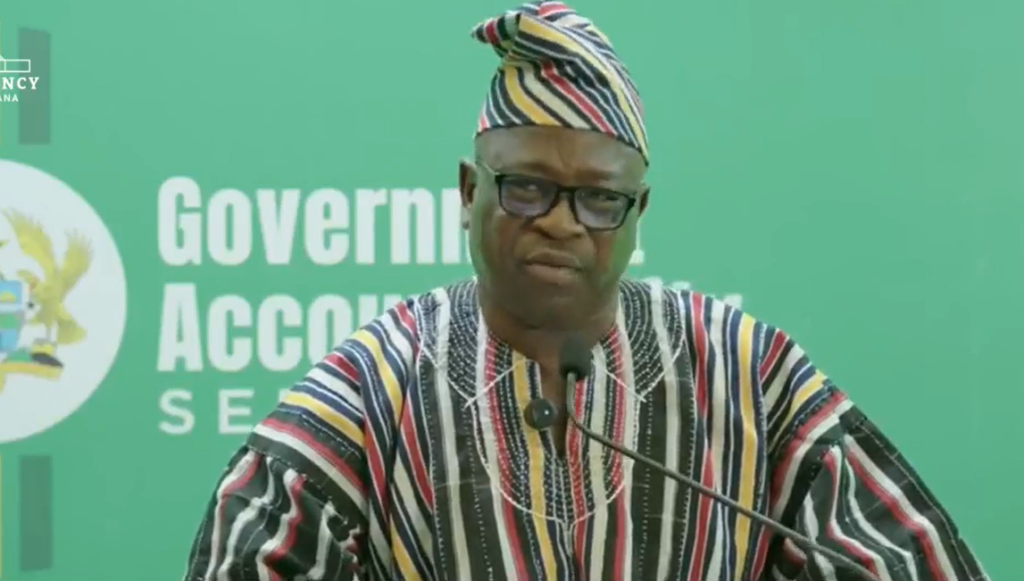
Ghana's minister has called for fairness in the global energy transition, emphasizing support for developing nations from historical emitters.[4] MyJoyOnline reports that Minister of State for Climate Change Seidu Issifu insisted on equity in the agenda, arguing that nations responsible for past emissions bear the responsibility to aid less-developed countries in shifting to sustainable energy.[4]
This plea resonates within international forums discussing the geopolitics global shift from fossil fuels, where developing economies like Ghana face disproportionate burdens in adopting green technologies.[4] Issifu's statements highlight the need for financial and technical assistance to ensure an effective transition, preventing economic disruptions for those least culpable in climate change.[4] Historical emitters, primarily advanced economies, are urged to provide concessional funding, technology transfers, and capacity-building to bridge the gap.[4] Ghana's position amplifies voices from the Global South, advocating for climate justice as a cornerstone of any viable energy pathway.[4] This call gains added relevance amid fluctuating oil prices, as lower energy costs could paradoxically strain transition budgets in producer nations.[4] By framing support as non-negotiable, the minister seeks to align global agendas with developmental realities.[4]
What to watch next: Progress on the US-Iran deal could further pressure oil prices, while the US-hosted meeting between Lebanese and Israeli representatives this Thursday may solidify the Lebanon ceasefire amid counterterrorism expansions.[1][3][5]