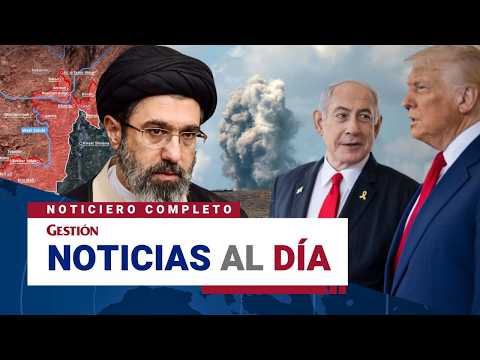
Geopolitics global sees oil prices fall 11% with US-Iran deal in sight
In the realm of geopolitics global, a notable downturn in oil markets has captured attention as prices plunged 11% below the $100 a barrel mark, fueled by growing optimism around a potential US-Iran peace agreement designed to conclude the ongoing Gulf war.[1]
Oil Price Decline and US-Iran Developments
The sharp decline in global oil prices, registering an 11% drop that brought benchmarks below $100 a barrel, stands as a direct market response to positive signals from diplomatic channels involving the United States and Iran.[1] This movement reflects investor confidence in the proximity of a peace agreement between the two nations, specifically targeted at resolving the protracted Gulf war that has long influenced energy markets and regional stability.[1] Reports from Punch Nigeria highlight how this optimism has translated into immediate selling pressure on oil futures, underscoring the sensitivity of commodity prices to geopolitical breakthroughs in the Middle East.[1] The nearing US-Iran deal represents a pivotal moment, as markets interpret it as a de-escalation factor that could alleviate longstanding supply concerns tied to the conflict.[1] Such developments provide immediate context for traders and analysts monitoring the intersection of diplomacy and energy economics, with the price fall serving as a tangible indicator of shifting expectations.[1]
US Push for Allied Counterterrorism Efforts
The United States has intensified its calls on allies to assume expanded roles in global counterterrorism operations, particularly as attention turns to threats associated with Iran and key chokepoints like the Strait of Hormuz.[2] According to US officials cited in Newsmax reporting, this push comes amid Washington's strategic pivot to address emerging dangers not confined to the Middle East, urging partners to shoulder greater responsibility in these efforts.[2] The emphasis on ally involvement signals a broader redistribution of security burdens, allowing the US to recalibrate its operational focus while maintaining pressure on Iran-linked risks.[2] This initiative details how counterterrorism coordination is evolving, with the Strait of Hormuz highlighted as a focal point due to its critical role in global energy transit and vulnerability to disruptions.[2] US officials have framed this as a necessary adaptation to a changing threat landscape, where allies' enhanced participation becomes essential for comprehensive coverage.[2]
Context of the Gulf War and Regional Threats
The ongoing Gulf war forms the backdrop to these unfolding events, with the potential US-Iran peace agreement positioned as a pathway to its resolution, directly influencing the observed oil price dynamics.[1] This conflict has sustained tensions that markets have priced into oil valuations, making the prospect of an accord a catalyst for the recent 11% decline below $100 a barrel.[1] Paralleling this, the US is widening its counterterrorism lens to include threats linked to Iran, the Strait of Hormuz, and areas extending beyond the Middle East, as part of a strategic response to interconnected regional challenges.[2] The Strait of Hormuz, a vital artery for oil shipments, exemplifies the types of vulnerabilities prompting the US to seek greater allied involvement in counterterrorism.[2] Together, these elements—the Gulf war's persistence and the diplomatic push for peace—intertwine with security imperatives, where Iran's role remains central to both the conflict and emerging threats.[1][2] This context illustrates how the US-Iran developments are not isolated but part of a larger framework addressing warfare and terrorism in strategically sensitive zones.[1][2]
Global Implications of These Geopolitical Shifts
In the sphere of geopolitics global, the convergence of falling oil prices and US diplomatic maneuvers carries weighty ramifications for international markets and security postures.[1][2] The 11% oil price drop below $100 a barrel, driven by US-Iran deal optimism, eases immediate pressures on global energy costs, potentially stabilizing economies dependent on imports while altering dynamics for producers.[1] Simultaneously, the US urging of allies to expand counterterrorism roles against Iran-linked threats and beyond signals a reconfiguration of global security alliances, with implications for operational capacities in regions like the Strait of Hormuz.[2] These shifts highlight how resolution in the Gulf war could redirect resources toward wider threat mitigation, fostering a more distributed approach to counterterrorism.[1][2] Markets and policymakers alike are attuned to these changes, as the nearing peace agreement intersects with efforts to counter emerging dangers outside traditional Middle Eastern flashpoints.[1][2] The combined effect underscores a period of transition, where energy price relief coincides with heightened calls for collaborative defense measures.[1][2]
Key Takeaways from Official Statements
US officials have articulated a clear directive for allies to elevate their contributions to global counterterrorism, emphasizing threats tied to Iran, the Strait of Hormuz, and extending to other regions as Washington broadens its strategic outlook.[2] This stance accompanies the market's reaction to a potential US-Iran peace deal, which has propelled oil prices down 11% below $100 a barrel amid hopes of ending the Gulf war.[1] Key points include the US's focus on emerging threats beyond the Middle East, positioning allies as vital partners in sustaining counterterrorism momentum.[2] The optimism surrounding the US-Iran agreement directly correlates with the oil market's downward trajectory, reflecting investor bets on de-escalation.[1] These statements encapsulate a dual-track approach: diplomatic progress in the Gulf paired with proactive security enhancements globally.[1][2]
What to watch next includes progress on the US-Iran peace agreement to end the Gulf war, which could further influence oil prices, alongside responses from US allies to calls for expanded counterterrorism roles targeting Iran-linked threats and the Strait of Hormuz.[1][2]