
Geopolitics Global: Israel Extends Detention of Gaza Flotilla Activists
In the realm of geopolitics global, Israel has extended the detention of activists from the Global Sumud Flotilla following their interception in international waters, with reports of mistreatment emerging from the incident.[3][4][5] The flotilla was carrying humanitarian supplies, including medicines and toys, destined for Gaza when Israeli authorities intervened.[5] Activists such as Saif Abukeshek and Thiago Avila have alleged systematic torture and abuse during their detention.[3][4] This event unfolds against a backdrop of broader global instability, including unrest in the Middle East and threats to supply chains like those in the Strait of Hormuz.[1] Analysts note that Iran's miscalculation of U.S. resolve in ongoing tensions could influence how global adversaries respond to such confrontations.[2]
The Flotilla Interception and Detention
The interception of the Global Sumud Flotilla marks a significant point of tension in efforts to deliver aid to Gaza. Organizers of the flotilla described it as a coalition of approximately 60 vessels that set sail from Barcelona two weeks prior to the court appearances, loaded with medicines, toys, and other humanitarian supplies intended for Gaza.[5] The mission aimed to provide relief amid ongoing challenges in the region, but the vessels were intercepted by Israeli authorities in international waters.[3][5] This action led to the activists being brought to Israel for interrogation, with two foreign activists specifically appearing before an Israeli court following the incident.[5]
Reports from the Global Sumud Flotilla coalition highlight the circumstances of the interception, framing it as an abduction of activists, including Saif Abukeshek, who was subsequently subjected to alleged mistreatment.[3] The flotilla's organizers emphasized that the boats were operating in international waters, a detail that underscores the legal and jurisdictional questions surrounding the Israeli response.[3][5] Upon interception, the activists were transported to facilities in Israel, setting the stage for detention proceedings.[4][5] This sequence of events reflects the immediate operational response by Israeli forces to the flotilla's approach toward Gaza, prioritizing security measures over the humanitarian intent declared by the participants.[5]
The detention itself began promptly after the interception, with activists held for initial questioning before formal court reviews.[4] The Global Sumud Flotilla's narrative positions the incident as a deliberate disruption of a peaceful aid mission, with the coalition publicly documenting the lead-up and aftermath through statements on the activists' treatment.[3] Such flotilla efforts have historically drawn international attention, but this particular case involves specific allegations tied to the interception process, including claims of "calculated cruelty" at sea before the activists were brought ashore.[5] The sources indicate that the humanitarian cargo—medicines and toys—was central to the flotilla's purpose, intended to address needs in Gaza, yet the interception halted its progress entirely.[5]
Allegations of Mistreatment by Activists
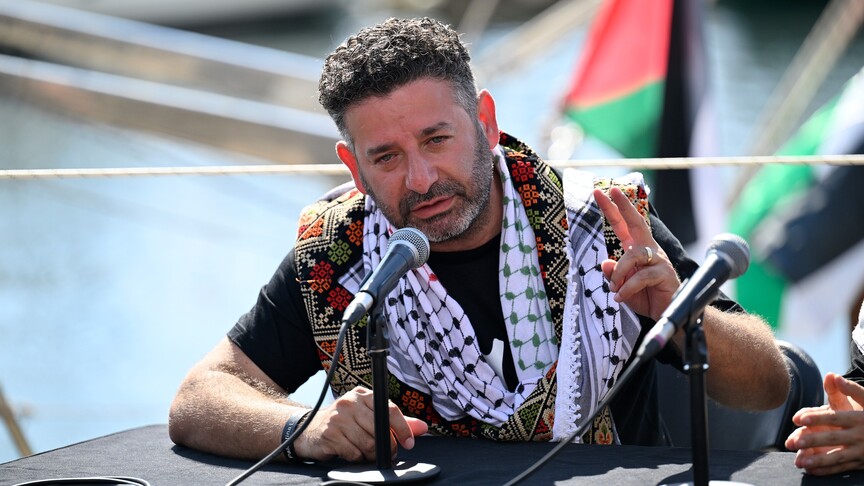
Activists from the Global Sumud Flotilla have leveled serious accusations against Israeli authorities regarding their treatment during detention. The coalition reported that Israel subjected abducted activist Saif Abukeshek to "systematic torture" following the interception of the aid boats in international waters.[3] Similarly, coverage notes that Saif Abu Keshek—likely the same individual, with spelling variations in reporting—and Thiago Avila were both mistreated while in Israeli detention.[4] These claims form a core part of the activists' accounts, describing a pattern of abuse that the flotilla organizers have publicized as deliberate and systematic.[3][4]
Thiago Avila, in particular, appeared in a Magistrate's Court in Ashkelon during a hearing on his detention extension, providing a visual and procedural context to the allegations.[4] The reports frame the mistreatment as occurring post-interception, during the period of custody in Israel.[3][4] The Global Sumud Flotilla's statements emphasize the abusive conditions endured by Saif Abukeshek, positioning it within a broader narrative of handling pro-Palestinian activists.[3] Middle East Eye reporting refers to the detained individuals as "tortured" Gaza flotilla activists, underscoring the severity of the claims made by those involved.[4]
These allegations have been voiced in the context of the activists' court appearances, where details of their experiences were brought to light.[4][5] The coalition's reporting on Saif Abukeshek's case highlights "systematic torture," suggesting a structured approach to the alleged mistreatment rather than isolated incidents.[3] This has drawn scrutiny to the conditions of detention following the international waters interception, with activists like Thiago Avila directly involved in legal proceedings that reference their ordeals.[4]
Broader Global Security Context
Geopolitics global underscores the interconnected nature of this flotilla incident within escalating worldwide instability. Global instability is intensifying, driven by factors such as the prolonged war in Ukraine, North Korea’s growing military ties with Russia, unrest in the Middle East, and supply-chain threats in the Strait of Hormuz.[1] These elements collectively signal that economic security can no longer be assumed, as disruptions in critical regions like the Middle East ripple outward.[1] The flotilla interception occurs amid this unrest, highlighting how regional flashpoints in the Middle East contribute to a volatile security landscape.[1]
Former U.S. Navy SEAL Jack Carr, speaking on Newsmax, pointed to Iran's misreading of U.S. resolve amid ongoing tensions, noting that the outcome will shape how global adversaries respond to American power.[2] This perspective ties into the Middle East unrest referenced in analyses of self-reliant defense strategies.[1] The Strait of Hormuz threats exemplify vulnerabilities in global supply chains, where chokepoints could be leveraged amid conflicts, exacerbating instability from events like the Gaza flotilla detention.[1] North Korea’s military alignment with Russia further compounds these pressures, creating a multipolar environment of heightened risks.[1]
In this context, the Middle East remains a focal point, with the flotilla incident exemplifying how humanitarian missions intersect with security concerns.[1][3] The ongoing wars and alliances, such as those involving Russia and North Korea, amplify the stakes, as global actors navigate a landscape where regional actions have worldwide implications.[1][2]
Implications for International Relations
The detention of Global Sumud Flotilla activists carries ramifications for international relations, particularly in a volatile global environment where economic security and autonomy are under strain. Lasting security, as articulated in discussions of self-reliant national defense, depends not only on economic growth, defense industrial progress, or technological advancement but also on distinguishing autonomy from true security.[1] The Middle East unrest and Strait of Hormuz threats illustrate how supply-chain vulnerabilities can undermine economic stability, influencing diplomatic and strategic calculations worldwide.[1]
Iran's miscalculation of U.S. resolve, as noted by Jack Carr, will influence how global adversaries gauge responses to power projections, potentially affecting alliances and confrontations similar to the flotilla interception.[2] This dynamic extends to broader geopolitical maneuvering, where events in international waters test commitments to humanitarian access versus national security prerogatives.[3][5] For nations like Korea, the lesson is clear: self-reliant defense must address these global interdependencies beyond mere autonomy.[1]
The incident underscores tensions in international relations, where Middle East instability intersects with global supply threats, prompting reevaluations of security paradigms.[1][2] Adversaries' responses to perceived resolve could shift based on outcomes like those in U.S.-Iran tensions, paralleling the assertive handling of the flotilla.[2]
Legal Proceedings and Outcomes
Israeli courts have played a central role in the aftermath of the Global Sumud Flotilla interception, with hearings addressing the activists' detention. An Israeli court extended the detention of Saif Abu Keshek and Thiago Avila by two days, as reported following their appearance in a Magistrate's Court in Ashkelon.[4] This extension came during a hearing on May 3, 2026, where Thiago Avila was present, providing testimony or context related to the case.[4]
Two foreign activists from the Gaza-bound flotilla appeared before the court on Sunday after being intercepted in international waters and brought to Israel for interrogation.[5] The proceedings followed reports of "calculated cruelty" at sea, linking the legal review directly to the interception and initial handling.[5] The court's decision to extend detention reflects ongoing interrogation needs, as outlined in the hearings.[4][5]
These outcomes maintain the activists in custody, with the two-day extension signaling continued judicial oversight.[4] The Ashkelon hearing, captured in imagery of Thiago Avila, marks a procedural milestone in the detention process.[4] Organizers' accounts frame the court appearances as a platform for addressing the post-interception treatment.[5]
What to watch next: Ongoing court reviews could further extend detentions or lead to releases, while Iran's tensions with the U.S. and Middle East unrest may shape adversary responses to similar incidents.[2][4][1]