
Geopolitical Tensions in Ukraine: Peace Deal Discussions and Intelligence Operations
As Ukraine navigates a complex landscape of ongoing conflict and diplomatic negotiations, recent developments highlight both the urgency for peace and the tactical prowess of Ukrainian intelligence. With discussions surrounding a potential peace deal with Russia intensifying, concerns are mounting over the implications of any agreement that may inadvertently reward the Kremlin's aggressive actions. Concurrently, a successful intelligence operation by Ukraine has demonstrated its capability to mislead Russian forces, further complicating the already fraught geopolitical situation.
In remarks made on December 27, 2025, U.S. Representative Beth Van Duyne emphasized the critical nature of ensuring that any peace negotiations do not grant undue concessions to Russian President Vladimir Putin. As Ukraine appears open to discussions aimed at ending the nearly four-year-long conflict, the stakes are high. Van Duyne's comments reflect broader apprehensions in the international community regarding a potential settlement that might not hold Russia accountable for its actions since the conflict began in February 2022.
The urgency for a peaceful resolution is palpable, yet the shadow of past negotiations looms large. Many observers fear that a hasty agreement could embolden Putin’s aggressive posture, undermining Ukraine's sovereignty and the principles of international law. The situation is made more complex by the ongoing military engagements and the evolving dynamics on the battlefield, as both sides continue to assert their positions.
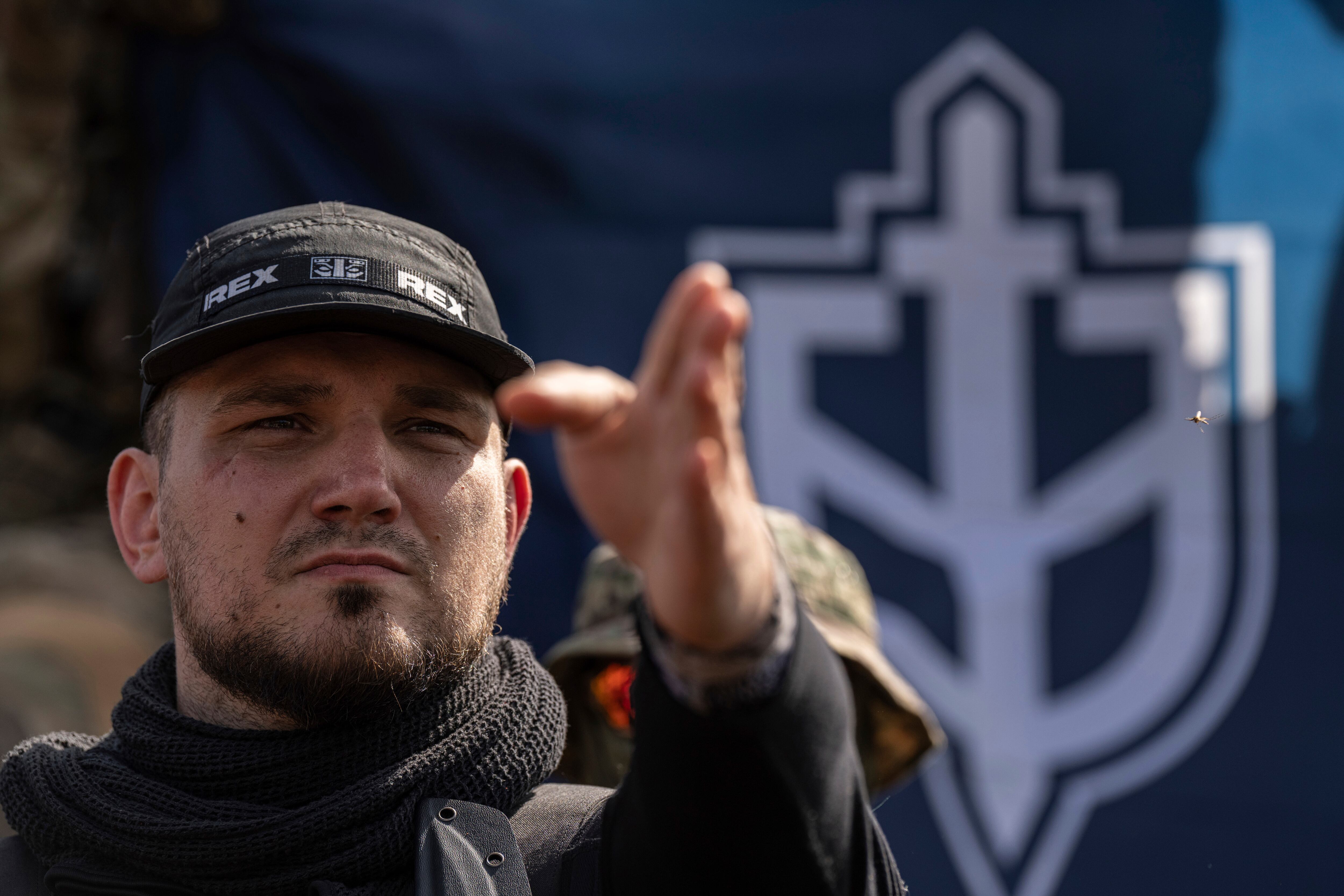
Amid these discussions, Ukrainian intelligence agencies have showcased their operational capabilities through a daring deception aimed at Russian forces. On January 2, 2026, it was reported that Ukrainian operatives successfully faked the death of a Russian far-right activist, who was reportedly fighting on the side of Ukraine against Moscow. This operation not only misled Russian intelligence but also helped expose several enemy agents embedded within Ukraine, revealing the intricate web of espionage and counterintelligence in play.
The operation underscores the strategic importance of intelligence in the ongoing conflict. It highlights Ukraine's ability to leverage misinformation as a tool against its adversaries, a technique that has become increasingly necessary in modern warfare. The ramifications of this intelligence coup are still unfolding, as it may lead to increased scrutiny and paranoia within Russian ranks.
In the diplomatic arena, Ukraine continues to strengthen its international alliances. On the same day as the intelligence revelation, top Ukrainian diplomat Andrii Sybiha extended congratulations to French counterpart Jean-Noel Barrot on France's assumption of the G7 presidency. This meeting emphasizes the role of the G7 in mobilizing support for Ukraine; the upcoming Coalition of the Willing summit is expected to further galvanize international backing amid ongoing tensions.
The appointment of Kyrylo Budanov, a prominent figure in Ukrainian intelligence, to President Volodymyr Zelenskyy's cabinet marks a critical moment for Ukraine as it grapples with both military and diplomatic challenges. Budanov's expertise in intelligence is anticipated to play a pivotal role in shaping Ukraine's strategic responses to ongoing threats and in navigating the complex landscape of negotiations with Russia.
Conclusion
As Ukraine stands at a crossroads in its efforts to secure peace and uphold its sovereignty, the interplay between military operations and diplomatic negotiations remains vital. The recent calls for careful consideration in peace discussions juxtaposed against successful intelligence operations highlight the multifaceted challenges faced by Ukraine. With tensions continuing to simmer, the coming weeks will be crucial for the future trajectory of the conflict and the stability of the region.






