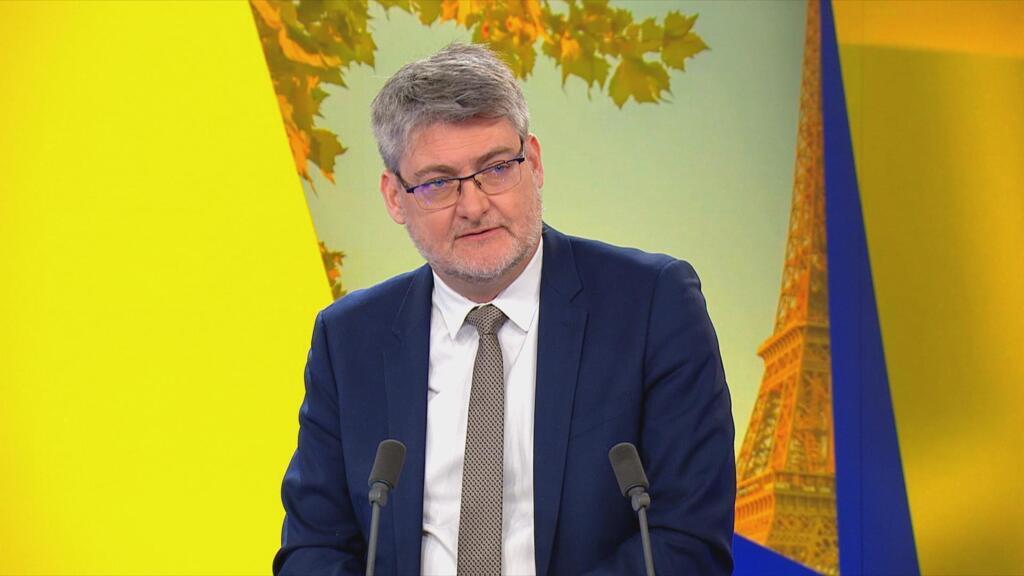

French Ambassador Challenges Russia's Ukraine War Victory Narrative as Conflict Nears Four-Year Mark
Kyiv/Paris — Nearly four years after Russia's full-scale invasion of Ukraine began on February 24, 2022, French Ambassador to Ukraine Gaël Veyssière has delivered a stark rebuttal to Moscow's claims of battlefield dominance, warning that the Kremlin's perception of the war diverges sharply from on-the-ground realities.
In an interview with FRANCE 24's Talking Europe program aired on January 9, 2026, Veyssière emphasized that the situation in Ukraine is "not what you see on the map," pushing back against Russian narratives portraying steady advances and inevitable victory. The ambassador's comments come as the conflict, rated as critical severity by global monitors, continues to grind on with heavy fighting concentrated in eastern Ukraine, particularly Donetsk and Luhansk regions. Moscow has repeatedly highlighted territorial gains, such as incremental progress toward key cities like Pokrovsk, as evidence of momentum, but Veyssière argued that these do not reflect the broader strategic picture.
The ongoing Russia-Ukraine war has resulted in tens of thousands of military and civilian casualties, widespread destruction, and a humanitarian crisis displacing millions. Russia currently controls approximately 18-20% of Ukrainian territory, including Crimea (annexed in 2014) and parts of Donbas seized since 2014, bolstered by full-scale operations launched in 2022. Ukrainian forces, backed by Western aid including advanced weaponry from NATO allies like France, have reclaimed some areas through counteroffensives in 2022-2023, such as around Kharkiv and Kherson. However, recent months have seen Russian forces make slow but persistent gains in the east, amid reports of intensified drone and artillery strikes.
Veyssière's remarks underscore a key disconnect: while Russian state media and officials, including President Vladimir Putin, tout operational successes and frame the war as a "special military operation" nearing triumph, Western diplomats and Ukrainian commanders describe a war of attrition. "The search for a viable off-ramp looks increasingly narrow," the ambassador noted, highlighting the entrenched positions and high costs on both sides. This aligns with analyses pointing to manpower as a decisive factor in 2026 conflict dynamics, with both Russia and Ukraine grappling with recruitment challenges. Russia has resorted to mobilizing convicts and extending contracts, while Ukraine has lowered conscription ages and sought to bolster reserves amid population losses estimated at over 500,000 combined military dead or wounded by independent tallies from outlets like the BBC and Mediazona.
Background on the Conflict
The war escalated dramatically on February 24, 2022, when Russian forces launched a multi-front invasion from Belarus, Crimea, and Russian border regions, aiming initially for Kyiv. Ukrainian resistance, international sanctions, and military support from the U.S., EU, and others halted the northern advance, shifting the frontlines eastward. Key milestones include Ukraine's successful defense of Kyiv in March 2022, the liberation of Snake Island in June 2022, and Russia's withdrawal from Kherson city in November 2022.
By 2026, the conflict has evolved into a protracted stalemate, with Russia focusing on Donbas consolidation and Ukraine conducting long-range strikes into Russian territory using Western-supplied systems like ATACMS missiles and Storm Shadow. France has been a major contributor, providing Caesar howitzers, SCALP cruise missiles, and training for over 100,000 Ukrainian troops since 2022. Diplomatic efforts, including talks in Istanbul in 2022 and Saudi Arabia-hosted meetings, have stalled, with preconditions from both sides—Russia demanding recognition of annexed territories, Ukraine insisting on full withdrawal—remaining irreconcilable.
Human resources have emerged as a critical variable, as noted in recent assessments of 2026 dynamics. Russia's population advantage allows for sustained mobilization, but desertions and low morale plague its forces, per U.S. intelligence estimates. Ukraine faces acute shortages, prompting legislative changes to mobilization laws in 2024 and appeals for more aid. Global events, such as U.S. political shifts and European elections, have influenced aid flows, with France pledging €3 billion in 2024-2025 military support.
Current Frontlines and Implications
As of early 2026, Russian advances near Pokrovsk and Vuhledar have strained Ukrainian lines, but at enormous cost—British Ministry of Defence reports suggest Russian daily casualties exceeding 1,000. Ukrainian drone innovations and fortified defenses have inflicted symmetric losses. Veyssière's intervention reflects allied concerns over war fatigue in the West, where public support for aid varies; polls from Eurobarometer show 60-70% European backing, though economic pressures mount.
The ambassador's pointed critique arrives amid heightened rhetoric from Moscow, where Foreign Minister Sergey Lavrov recently claimed "irreversible changes" on the ground. Ukrainian President Volodymyr Zelenskyy, in parallel addresses, has reiterated demands for NATO membership and justice for war crimes documented by the International Criminal Court.
Outlook
With no immediate ceasefire in sight, the war's trajectory hinges on sustained Western commitment and internal resilience. Veyssière's warning signals allied resolve to counter disinformation, even as pathways to negotiation remain elusive. As 2026 unfolds, manpower sustainability and technological edges—such as AI-driven targeting and next-generation drones—will likely dictate the conflict's pace, prolonging a struggle that has reshaped global security.
(Word count: 712)






