Former Philippine Air Force General Arrested for Sedition Amid Growing Corruption Scandal

Latest from X
Former Philippine Air Force General Arrested for Sedition Amid Growing Corruption Scandal
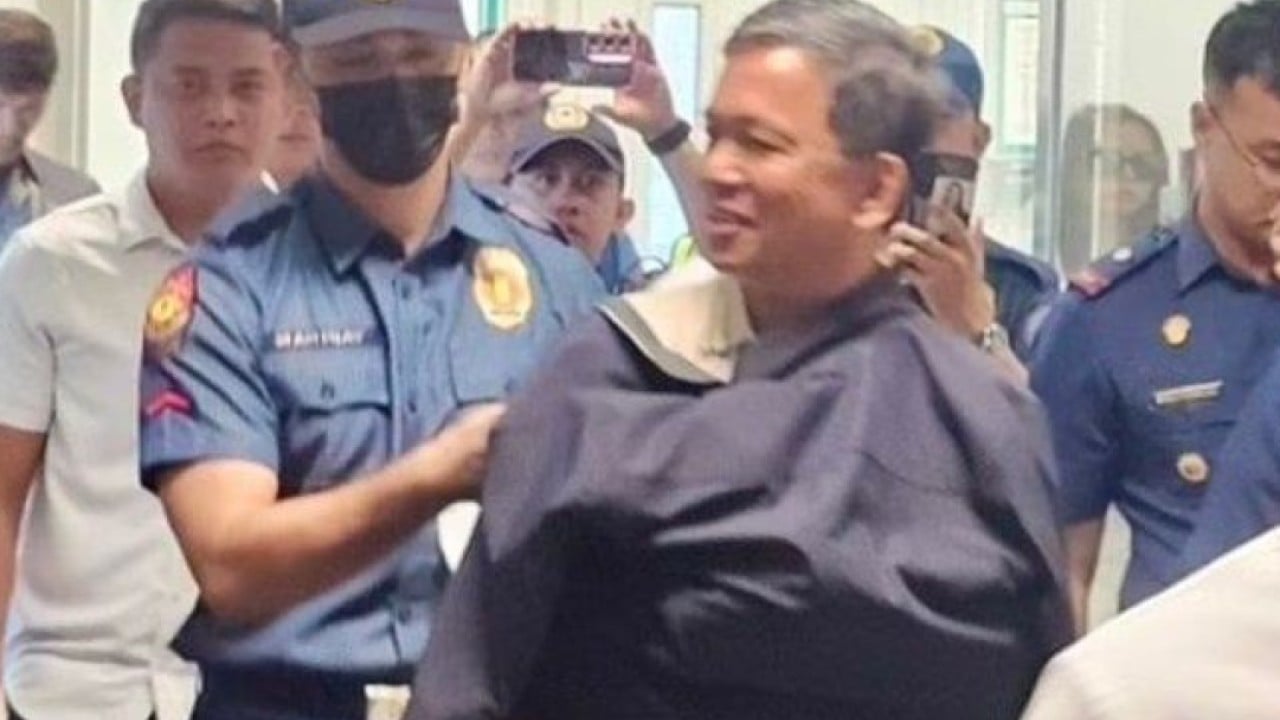
In a development highlighting escalating tensions in the Philippines, former Air Force general Romeo Poquiz was arrested on charges of sedition after publicly calling for the military to withdraw support from President Ferdinand Marcos Jr. amid an ongoing corruption scandal. The arrest, which occurred at Manila's Ninoy Aquino International Airport, underscores the fragility of political stability in the country as civil unrest simmers.
The incident began on January 5, 2026, when Poquiz, a retired military officer, was detained upon his return from abroad. According to reports from credible news sources, Poquiz had been vocal in urging the armed forces to abandon Marcos, citing allegations of widespread corruption within the administration. This arrest comes at a time of heightened public dissatisfaction, with protests and calls for accountability gaining momentum across the nation. Interior Department Secretary Jonvic Remulla confirmed the arrest, stating that Poquiz faced charges related to inciting sedition, though specific details of the evidence have not been fully disclosed.
The broader context of this event is tied to a burgeoning corruption scandal involving President Marcos and his allies, which has fueled widespread unrest. Investigations have pointed to alleged misuse of public funds and influence-peddling, with some reports suggesting involvement by high-ranking officials. Poquiz's actions were reportedly motivated by these revelations, as he and other retired military figures have positioned themselves as critics of the administration. This arrest is seen by some as an attempt to quell dissent, potentially exacerbating divisions within the military and society at large.
Adding to the narrative, posts on X from verified accounts, including those affiliated with news organizations, have amplified discussions around the arrest. For instance, sentiments expressed on the platform reflect growing public frustration, with users referencing documented calls for accountability and drawing parallels to historical instances of political upheaval in the Philippines. These posts, while not providing conclusive evidence, highlight the broader unrest, including demands for investigations into figures linked to the scandal. Such online discourse underscores the role of social media in mobilizing public opinion, though it remains a mix of verified reports and unverified claims.
The Philippines has a history of civil unrest linked to political corruption and military involvement in governance. Dating back to the Marcos era under Ferdinand Marcos Sr., the country has seen repeated episodes of protests, coups, and sedition charges against critics. The current scandal echoes these patterns, with recent events drawing comparisons to the 1986 People Power Revolution that ousted Marcos Sr. In this case, Poquiz's group of retired officers has been vocal in echoing public demands for transparency, potentially inspiring further demonstrations. Analysts note that the military's loyalty has often been a pivotal factor in Philippine politics, making Poquiz's arrest a potential flashpoint for instability.
As the investigation into Poquiz unfolds, authorities have emphasized maintaining law and order, with Remulla warning that any attempts to undermine the government will be met with swift action. However, the arrest has already sparked debates about freedom of speech and the government's handling of dissent. Protests in Manila and other cities have drawn thousands, with participants calling for an independent inquiry into the corruption allegations. While Poquiz's legal team, represented by figures like lawyer Ferdinand Topacio, has vowed to challenge the charges, the outcome could influence the trajectory of the scandal and the administration's popularity.
Looking ahead, this event could escalate civil unrest if the corruption investigations gain more traction. With elections on the horizon and public trust in institutions waning, the Philippine government faces pressure to address these allegations transparently. International observers, including human rights groups, are monitoring the situation closely, urging restraint to prevent further polarization. As of January 5, 2026, the arrest of Romeo Poquiz serves as a stark reminder of the challenges facing the nation's democracy, where calls for reform continue to intersect with accusations of authoritarian measures.
(Word count: 582)
Track this story live
Original Sources
- •
Editorial process: This article was synthesized from the original sources cited above using The World Now's AI editorial system, with byline accountability from our editorial team. We grade every story for source grounding, factual coherence, and on-topic match before publication. Read more about our editorial standards and contributors. Spot something inaccurate? Let us know.
Last updated: January 13, 2026






