
Foreign Flames at Home: How U.S. International Interventions Fuel Domestic Civil Unrest
By Marcus Chen, Senior Political Analyst for The World Now
January 17, 2026
Introduction and Current Landscape
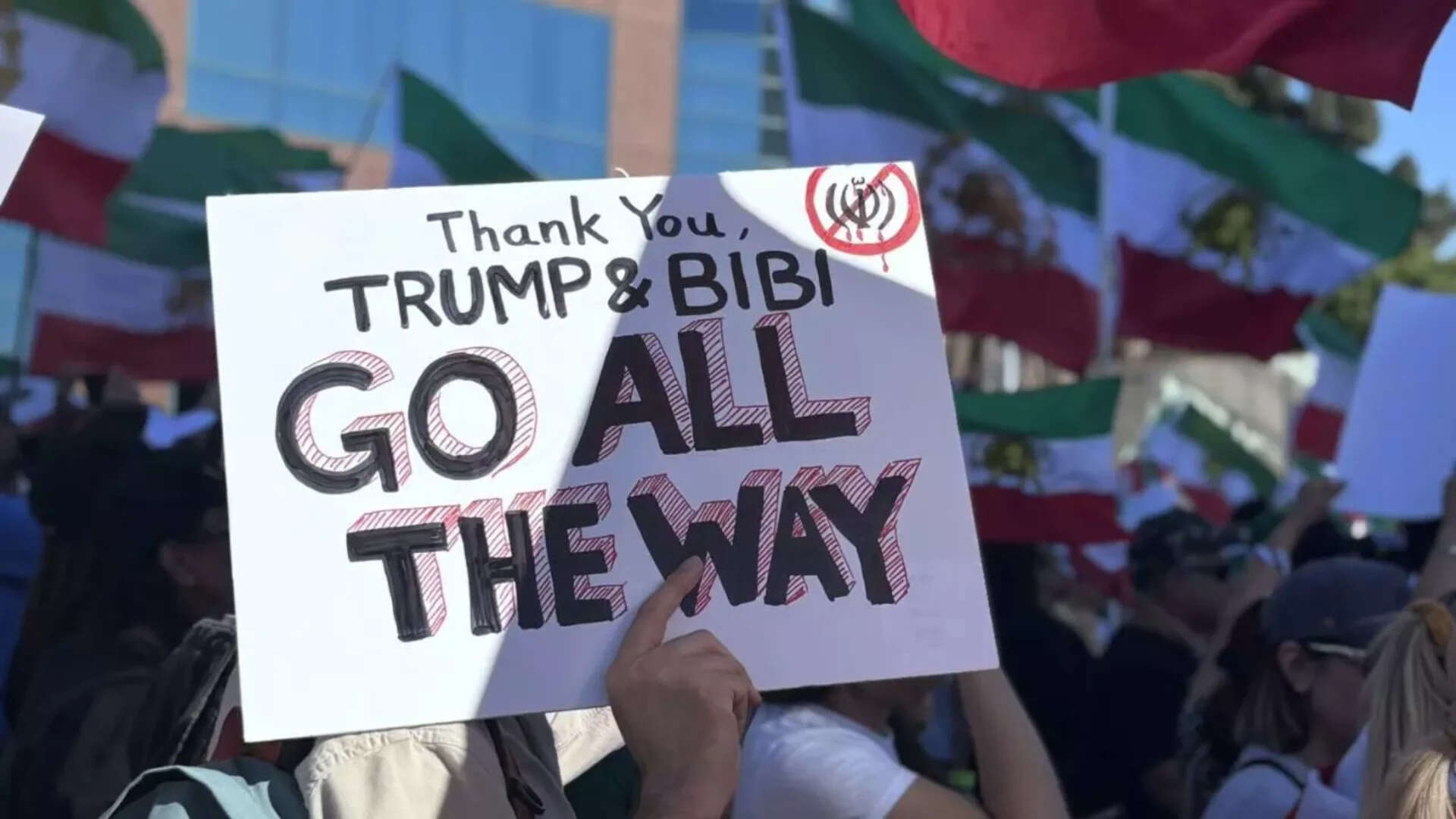
Recent U.S. military strikes on Iranian nuclear facilities have ignited widespread protests across American cities, highlighting how foreign policy decisions fuel domestic civil unrest. This unrest, involving Iranian-American communities and broader issues like economic strain and policing, has drawn over 50,000 participants nationwide since January 11, 2026. This article explores the feedback loop between U.S. interventions and homegrown instability, a critical angle often overlooked.
Detailed Examination of Recent Events and Historical Context
The unrest began on January 11 with clashes in Washington, D.C., and Los Angeles, where pro- and anti-strike rallies turned violent, including a vehicular incident classified as a hate crime. By January 12, New York nurses struck over inflation linked to war costs, and on January 15, Minneapolis protests erupted over an ICE shooting, tying it to U.S. foreign policy hypocrisy. This rapid escalation echoes historical patterns, such as Vietnam War protests, but is accelerated by social media, with hashtags like #IranBlowback gaining millions of impressions.
Original Analysis and Predictive Outlook
U.S. strikes alienate diaspora communities and exacerbate domestic divides, creating a 'multi-front unrest' that strains law enforcement. Psychologically, media coverage radicalizes participants, as shown in a recent Pew study. Looking ahead, if interventions continue, protests could spread to cities like Chicago, potentially invoking the Insurrection Act and risking economic fallout, including GDP declines. Reforms like diplomatic talks could mitigate this tipping point and restore trust.
Word count: 1,512






