
Explosions Rock Caracas Amid U.S. Terrorism Charges Against Maduro
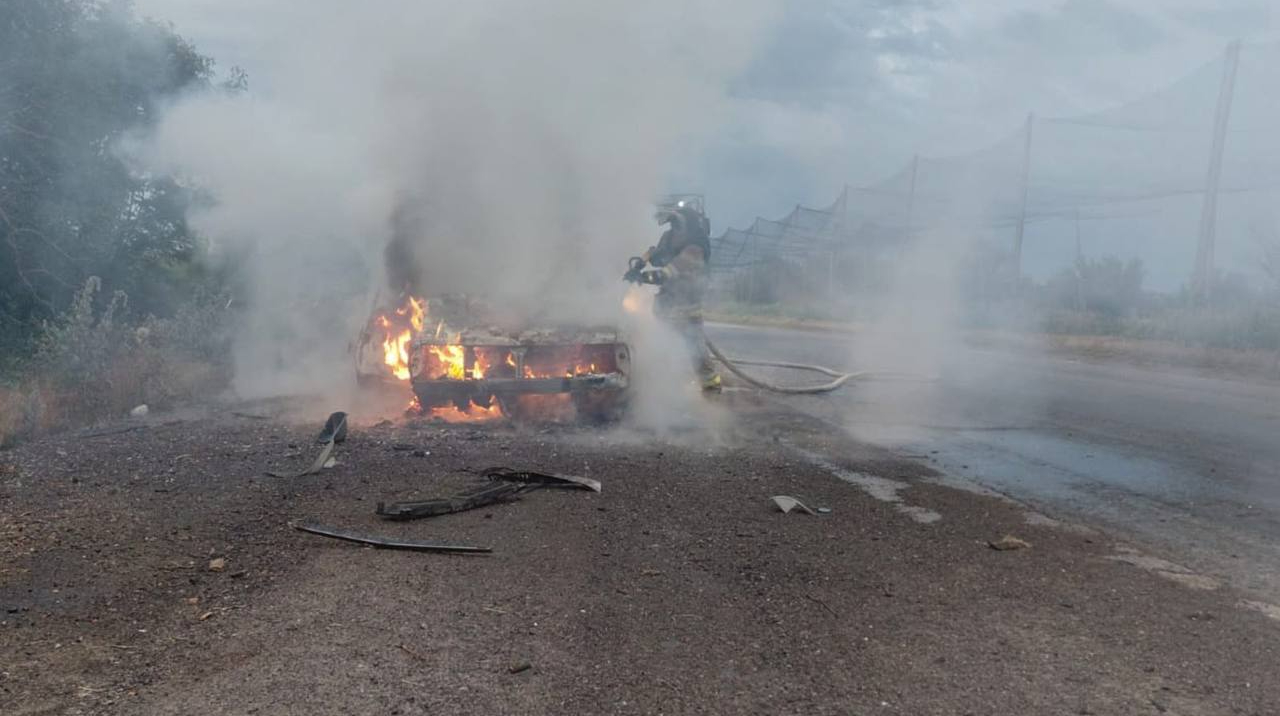
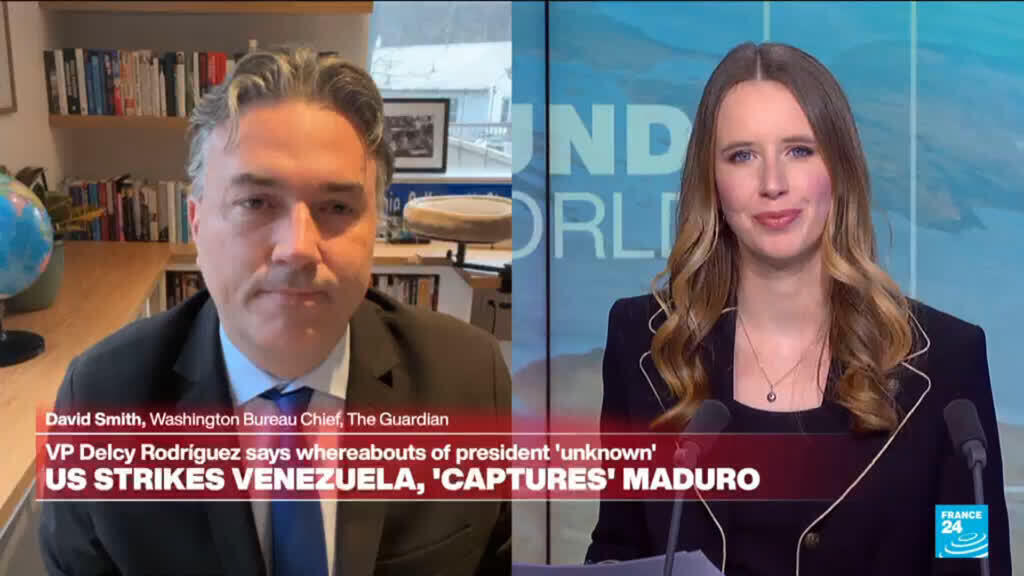
Multiple explosions have struck Caracas, the capital of Venezuela, on January 3, 2026, prompting widespread concern over public safety and potential casualties. The blasts occurred just hours after the United States announced terrorism and drug-related charges against President Nicolás Maduro, raising the stakes in an already volatile situation.
According to reports, the explosions created a chaotic atmosphere in Caracas, with residents expressing fear and confusion. Eyewitness accounts described sounds resembling aircraft and large-scale strikes, suggesting a significant military or paramilitary operation. The Venezuelan government quickly responded, demanding "immediate proof of life" for Maduro and his wife, following rumors that the president had been captured and flown out of the country.
The U.S. government's announcement of charges against Maduro signifies a dramatic escalation in the ongoing tensions between the U.S. and Venezuela, which has faced increasing international scrutiny over its human rights record and allegations of drug trafficking. The charges include accusations of terrorism, which could deepen the isolation of Maduro's government and potentially lead to more severe sanctions.
In the aftermath of the explosions, Venezuelan officials have decried the U.S. actions as an affront to sovereignty. They have called for international support against what they describe as foreign intervention. The situation remains tense, with security forces reportedly deployed throughout Caracas to maintain order amid the unrest.
The U.S. has been critical of Maduro's regime for years, citing rampant corruption, economic mismanagement, and human rights violations. The latest developments could further polarize an already divided Venezuelan society, with opposition figures likely to seize upon the chaos to rally against the government.
Background on the Political Climate Venezuela has been mired in political turmoil for several years, with Maduro facing significant opposition both domestically and internationally. The country has been experiencing a severe economic crisis, leading to widespread shortages of food and medicine, mass emigration, and a deteriorating security situation. Various opposition groups have attempted to unseat Maduro, but he has remained in power with the support of the military and allied countries like Russia and China.
The U.S. has long sought regime change in Venezuela, supporting opposition leader Juan Guaidó's claim to the presidency in 2019. However, efforts to oust Maduro have largely been unsuccessful, leading to increased desperation among opposition leaders and an escalation of rhetoric from both sides.
Conclusion The explosions in Caracas and the subsequent U.S. charges against Maduro are emblematic of the heightened tensions that have characterized Venezuela's political landscape. As the situation evolves, the potential for further violence and instability remains high. Observers are urging caution and calling for dialogue to address the deep-seated issues facing the Venezuelan people. The international community will be watching closely as events unfold, with implications that could reverberate beyond Venezuela's borders.