
Escalation in the Gulf: Understanding the Implications of the Qatar-Iran Conflict
By Viktor Petrov, Conflict & Security Correspondent, The World Now
March 3, 2026
Introduction: The Current State of Tensions
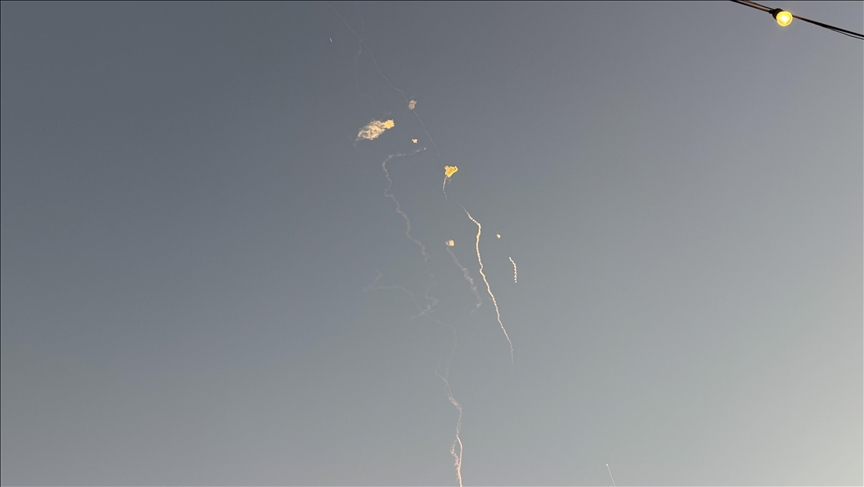
Tensions in the Persian Gulf have reached a critical juncture following a series of Iranian missile attacks on Qatari territory, prompting Doha to halt operations at its vital energy facilities and signal readiness for retaliation. On February 28, 2026, Gulf states, including Qatar, intercepted multiple Iranian ballistic missiles aimed at regional targets, marking a dangerous escalation in the shadow of longstanding maritime and energy disputes. QatarEnergy, the world's largest liquefied natural gas (LNG) exporter, announced a complete production halt on March 2, citing security threats from these "blatant" attacks, as described by Qatari officials.
Qatar's pivotal role in global energy markets amplifies the stakes. The emirate supplies approximately 20% of the world's LNG, with its North Field—shared with Iran as the South Pars field—producing over 77 million tonnes annually. This disruption threatens immediate supply shortages, particularly to Europe and Asia, where LNG demand has surged amid geopolitical volatility. Qatari Foreign Ministry spokesperson Majed Al Ansari stated that Doha "reserves the right to retaliate" while urging international condemnation, underscoring the unique angle of Qatar's energy security as a linchpin for its regional alliances and broader geopolitical ramifications. As Gulf states bolster defenses and global markets brace for volatility, the conflict risks drawing in major powers and reshaping alliances.
Historical Context: The Evolving Dynamics of Gulf Relations
The Qatar-Iran conflict is not an isolated flare-up but the culmination of decades of fractious Gulf dynamics, where energy rivalries, proxy wars, and shifting alliances have repeatedly tested regional stability. Qatar's unique foreign policy—balancing ties with Iran, Turkey, and the Muslim Brotherhood—has long irked its Sunni Gulf neighbors, exemplified by the 2017-2021 blockade led by Saudi Arabia, UAE, Bahrain, and Egypt, which accused Doha of funding terrorism and cozying up to Tehran.
Iran-Qatar relations, however, have been pragmatic, anchored by the shared North Field/South Pars supergiant, the world's largest gas reserve. Collaborations peaked in the 2010s with joint development talks, but soured amid Iran's nuclear ambitions and support for Houthis in Yemen, who have targeted Saudi oil infrastructure. The 2026 missile interceptions represent a pivotal escalation: on February 28, radar systems across Qatar, Saudi Arabia, and the UAE detected and downed Iranian Fateh-110 and Qiam-1 missiles launched from southwestern Iran, ostensibly in response to alleged Qatari support for anti-Iranian operations.
This timeline illustrates the pattern:
- 2017: Gulf blockade isolates Qatar, pushing it closer to Iran for food and air routes.
- 2021: Blockade ends with Al-Ula agreement, but Qatar maintains Iran ties.
- 2023-2025: Houthi drone attacks on shipping heighten Gulf-Iran friction; Qatar mediates but faces pressure.
- February 28, 2026: Gulf states intercept Iranian missiles—the first direct strike on Qatari airspace since the Iran-Iraq War era.
- March 2, 2026: QatarEnergy halts production, freezing 25% of global LNG output.
Historical grievances, including Iran's 1980s tanker war tactics and Qatar's hosting of Al Jazeera's critical coverage of Tehran, fuel the current standoff, transforming economic interdependence into a strategic vulnerability.
QatarEnergy: The Economic Impact of Halting Production
QatarEnergy's unprecedented production halt—shutting down LNG trains at Ras Laffan Industrial City—delivers a seismic shock to global markets. The facility, with a capacity of 110 million tonnes per annum (mtpa) post-2026 expansions, accounts for 77 mtpa of LNG exports. The decision, invoked under force majeure clauses, stems from direct threats to offshore platforms and coastal infrastructure following the missile barrage.
Immediate implications are stark: Asian buyers like Japan, South Korea, and India face spot LNG prices surging 25-30% within 48 hours, per S&P Global Platts data. Europe's diversification from Russian gas leaves it exposed; Qatar supplies 15% of EU imports. Qatar itself faces $2-3 billion monthly revenue losses, straining its $500 billion sovereign wealth fund and diversification into tech and sports.
For allies, the fallout cascades: The UAE and Saudi Arabia, ramping up oil output via OPEC+ cuts reversal, may offset some crude shortages, but LNG voids are irreplaceable short-term. Qatar's energy security—bolstered by U.S. Al Udeid Air Base—now hinges on rapid diplomatic or military restoration, highlighting how production halts weaponize its global leverage and expose alliance fractures.
Iran’s Strategy: Understanding the Motivation Behind the Attacks
Tehran's missile strikes reflect a calculated bid to assert dominance amid internal pressures and regional chess moves. Facing economic sanctions, a weakening rial, and protests, Iran's Islamic Revolutionary Guard Corps (IRGC) employs asymmetric warfare to deter Gulf rivals from aligning fully with U.S.-Israeli axes. Targeting Qatar signals to shared-field partners: comply or face disruption.
Rationale ties to broader ambitions—controlling the Strait of Hormuz (20% global oil transit) and countering Saudi-Qatar rapprochement post-2021. Historical Iran-Qatar ties soured over Doha's Hamas hosting and U.S. base presence, viewed as encirclement. Social media from IRGC accounts frames attacks as "defensive," but analysts see provocation to test Patriot and THAAD defenses, gathering intelligence for future salvos.
By hitting energy chokepoints, Iran aims to inflate prices, funding proxies like Hezbollah and Houthis, while pressuring Biden-era talks on nuclear caps. Yet, overreach risks unifying Gulf foes.
Regional Alliances: Who Stands Where?
Gulf alliances are realigning fluidly. Qatar's post-blockade hedging—strong U.S. ties (10,000 troops at Al Udeid), Turkish bases, and Iranian trade—positions it as a mediator, but Iran's strikes unify condemnation from Saudi Arabia and UAE, who pledged air defense support.
Saudi Crown Prince Mohammed bin Salman called for "collective defense," invoking 2022 Gulf security pacts. UAE, with advanced Israeli systems, intercepted co-missiles. The U.S., via CENTCOM, surged carrier groups; State Department vowed "ironclad" commitments. China and Russia back Iran diplomatically, with Beijing eyeing LNG deals.
Qatar's energy centrality fortifies its alliances, but escalation could pull the U.S. deeper, echoing 2019 tanker crises.
Looking Ahead: What’s Next for Qatar and the Gulf Region?
Forecasts point to heightened military postures: Gulf states activating integrated air defenses, Qatar potentially invoking mutual defense with U.S./Turkey. Energy prices could spike LNG to $25/MMBtu (from $12), boosting Russia and U.S. exporters but inflating inflation globally.
Optimistic paths include U.S.-brokered talks, leveraging Qatar's Gaza mediation role. Pessimistic: Iranian mining of Hormuz or Houthi escalation, prompting strikes. External powers—U.S. elections looming, China's Gulf investments—favor de-escalation, but miscalculation risks wider war.
Conclusion: The Path Forward for Qatar Amidst Rising Tensions
The Qatar-Iran clash underscores energy security's geopolitical primacy, with Doha's LNG dominance shaping alliances amid historical rifts. Halting production exposes vulnerabilities but reaffirms Qatar's strategic weight. Key insights: Iran's brinkmanship unifies Gulf rivals; global markets hang in balance.
Diplomatic off-ramps—UN mediation, Oman-brokered talks—offer hope, prioritizing regional stability over escalation. Qatar must diversify threats while rallying allies, ensuring energy flows sustain global order.