
Escalating Violence: The Broader Implications of Afghanistan-Pakistan Clashes on Regional Stability
Current Situation in Kabul
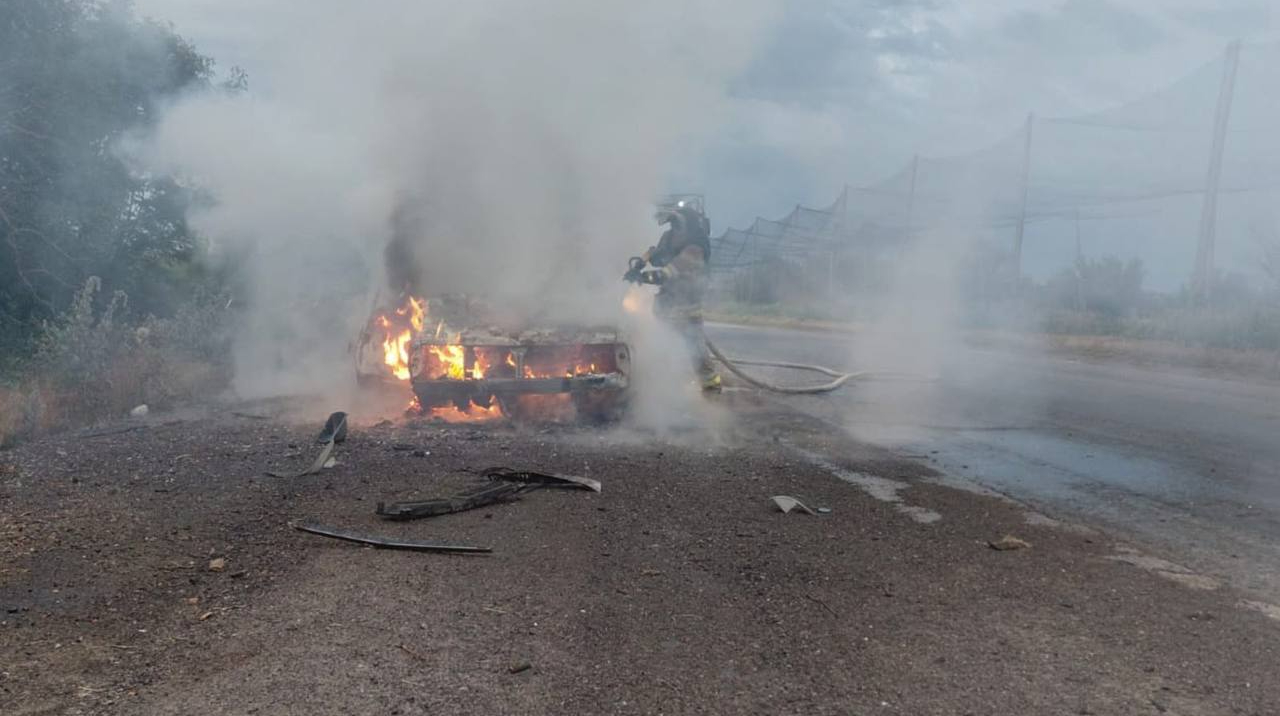
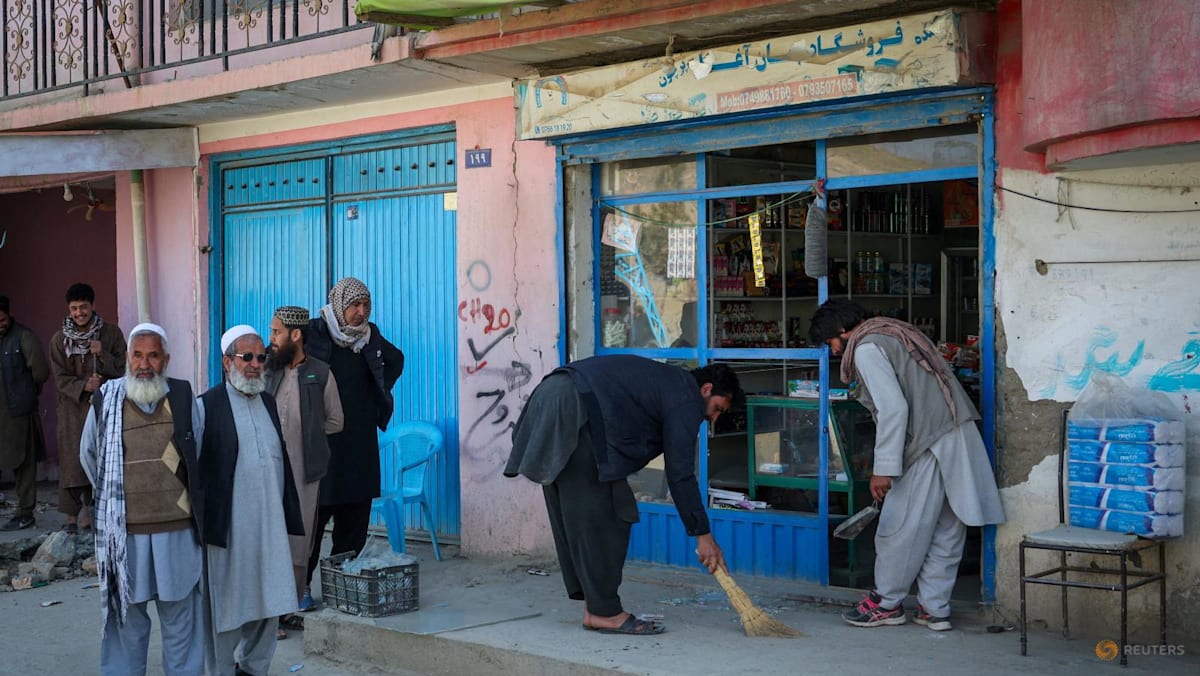
Eyewitnesses and local media reported multiple blasts echoing across Kabul's diplomatic quarter late on February 26, coinciding with heightened skirmishes along the volatile Durand Line border. Pakistani artillery reportedly targeted Afghan positions in response to alleged incursions, spilling violence into urban centers. Afghan security forces have imposed lockdowns, with civilians hunkered down amid blackouts and evacuations. Immediate impacts include at least 12 civilian injuries confirmed by Kabul health officials, alongside disruptions to aid convoys. Pakistani sources claim Afghan militants initiated the escalation, while Kabul accuses Islamabad of unprovoked shelling. No official death toll has been verified, but hospitals are overwhelmed, highlighting the fragility of post-2021 Taliban governance amid external pressures.
Historical Context: A Legacy of Conflict
These clashes form part of a recurring cycle rooted in the disputed 2,640-km Durand Line, drawn in 1893 and rejected by Afghan leaders ever since. The timeline reveals sharp escalation since early 2026: On January 8, clashes killed four Afghan nationals near Spin Boldak; January 19 saw Tajik guards – Pakistani allies – kill four Afghan gunmen at Ishkashim; February 25 brought intense fighting in Nangarhar's border areas, with drone strikes reported. February 26's Kabul explosions directly link to these, echoing 2017-2019 patterns when Pakistani airstrikes killed dozens. Historical grievances, including Pakistan's alleged harboring of Taliban factions and Afghanistan's support for Baloch insurgents, fuel this volatility, transforming border skirmishes into proxy battlegrounds.
Regional Implications: The Ripple Effect
Beyond bilateral friction, these events ripple across South Asia, jeopardizing stability in Iran, India, China, and Central Asia. Pakistan's deepened ties with China via the China-Pakistan Economic Corridor (CPEC) heighten Beijing's stakes, potentially drawing in PLA advisors. India, wary of Pakistani instability, may bolster Afghan aid covertly, exacerbating the India-Pakistan rivalry. Iran's border concerns could spur tripartite patrols, while Tajikistan's involvement signals Russian influence via the CSTO. Shifting alliances – Pakistan pivoting from U.S. to China, Afghanistan courting Iran – risk fracturing SCO frameworks, inflating refugee flows (over 500,000 displaced since January), and spiking terrorism exports from TTP affiliates.
Social media reflects alarm: Analyst @SouthAsiaStrat tweeted, "Kabul blasts confirm Durand Line is now a flashpoint for great-power rivalry – Pakistan's shelling risks Indian retaliation." Afghan journalist @KabulWire posted, "Gunfire in streets; history repeats as Taliban vows revenge," garnering 15K retweets.
Looking Ahead: What This Means
Short-term escalation is likely (70% probability), with Pakistani airstrikes probing Taliban resolve amid domestic unrest in both nations – Pakistan's elections loom, Afghanistan grapples with economic collapse. Diplomatic off-ramps include UN-mediated talks or U.S.-brokered ceasefires, though efficacy wanes post-2021 withdrawal. Worst-case: Full mobilization draws in India (via air support) or China (CPEC defense), birthing a multi-front crisis. Optimistically, Taliban-Pakistani backchannels – historically effective – could yield de-escalation by March. Watch for U.S. State Department statements and refugee surges as leading indicators.
This is a developing story. Regional stability hangs in the balance amid entrenched historical animosities.
(Word count: 634)