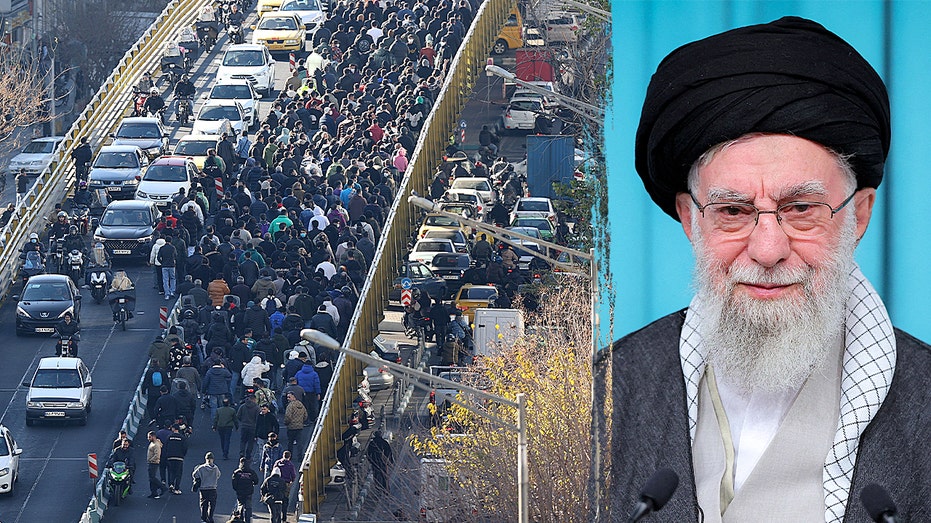

Escalating Unrest in Iran: Protests and Clashes with Security Forces
Amid a backdrop of intensifying political turmoil, protests erupted across several Iranian cities, including Tehran, Shiraz, and Kermanshah, as demonstrators voiced their discontent against the leadership. Security forces clashed with protesters on January 1, 2026, deploying tear gas as opposition groups reported gunfire amidst rising unrest and calls for regime change.
The protests began on December 30, 2025, when demonstrators in Tehran and Mashhad clashed with security personnel, marking a significant escalation in civil disobedience. Reports indicate that protesters have been chanting slogans such as "Death to Khamenei," a direct challenge to Iran's Supreme Leader, Ayatollah Ali Khamenei. The unrest has led to a partial shutdown in some areas, as authorities attempt to regain control over the situation.
Witnesses described scenes of chaos, with clouds of tear gas filling the streets of Tehran as protesters attempted to storm government buildings, including the governor's office in the capital. The clashes have raised concerns about a potential crackdown by security forces, which have historically responded with force during similar demonstrations.
"People are fed up with the current regime and are willing to risk their safety to express their frustrations," stated an activist who participated in the protests, highlighting the growing dissatisfaction with the Iranian government. The ongoing economic challenges, coupled with political repression, have fueled the discontent among citizens.
The protests are not isolated incidents; they are part of a broader wave of unrest that has been building in Iran over the past few years. Various opposition groups have mobilized, taking advantage of the disillusionment that has spread through different segments of society. The ongoing economic challenges, exacerbated by international sanctions and mismanagement, have further fueled the public's anger.
Background
The Iranian government has faced waves of protests in recent years, particularly following the 2019 fuel price hikes and the subsequent crackdown on dissent. The current unrest echoes these past movements, highlighting a persistent rift between the ruling authorities and the populace. As the situation continues to evolve, the response of the Iranian leadership will be crucial in determining whether these protests will lead to significant political change or further repression.
In response to the ongoing unrest, the Iranian government has ramped up its security presence in affected areas to curb the protests. The potential for violent confrontations remains high, as many demonstrators have vowed to continue their fight against what they perceive as an oppressive regime.
Conclusion
As protests continue to unfold in Iran, the international community watches closely, aware that the outcomes of these clashes could have significant implications not only for Iran's internal stability but also for regional dynamics. The rising unrest reflects deep-seated grievances that could challenge the very foundations of the current regime. How the Iranian leadership responds in the coming days will be pivotal in shaping the future of the country and its people.






