
Escalating Tensions in Yemen: UAE Plans Withdrawal Amid Ongoing Conflict
In a significant shift in the ongoing conflict in Yemen, the United Arab Emirates (UAE) has announced plans to withdraw its forces from the country following a recent Saudi airstrike on a port held by southern separatists. This development underscores the escalating tensions in Yemen’s multifaceted war, which has seen various factions vying for control amid a humanitarian crisis.
On December 31, 2025, the UAE's decision to withdraw forces was confirmed after Saudi-led coalition airstrikes targeted positions in the southern port city of Aden, which has been a stronghold for separatist forces. The attacks reportedly aimed to bolster the internationally recognized government of Yemen, which is struggling against the Houthi movement and the Southern Transitional Council (STC), a group seeking autonomy in southern Yemen.
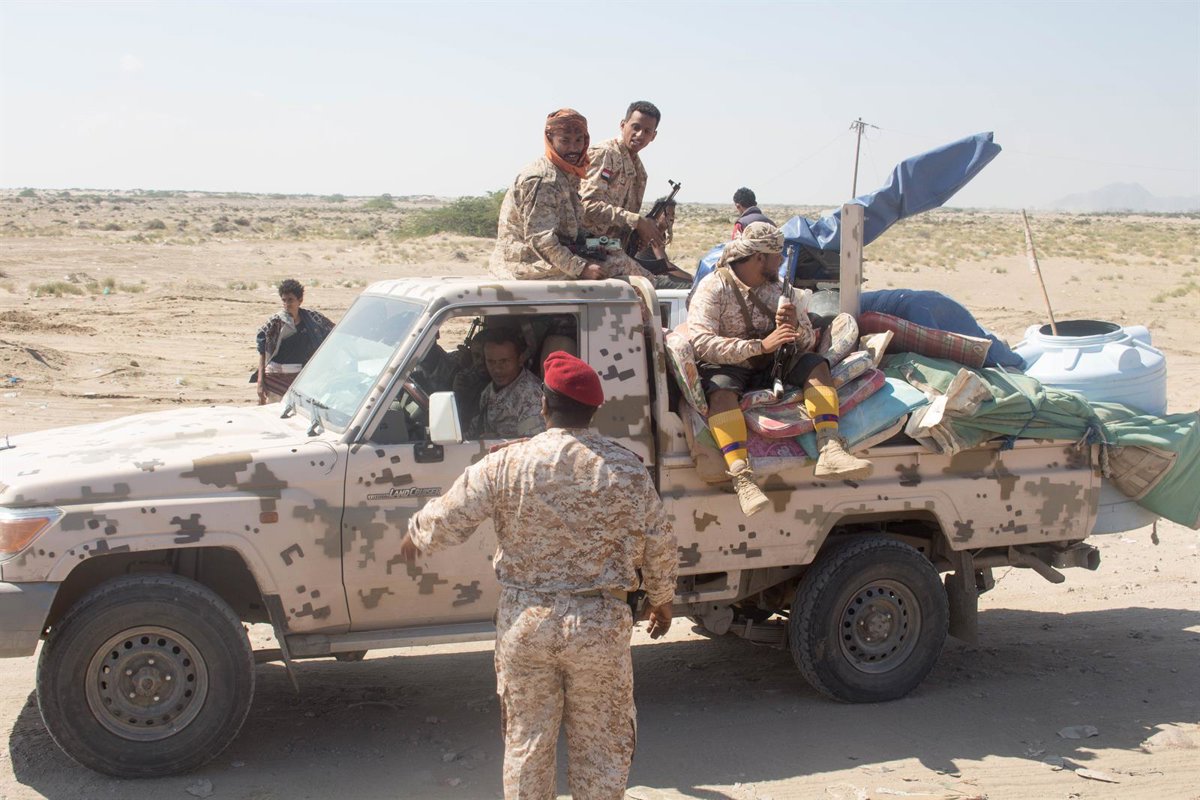
The STC has declared war against the Yemeni government, accusing it of failing to protect its interests and calling for immediate action to address the situation. The group has been a key player in the conflict, backed by the UAE, which has provided military support in the region since the onset of the Yemeni civil war in 2015.
The airstrikes have aggravated the already fragile situation in Yemen, where humanitarian needs are dire. According to reports, the recent escalation in violence has resulted in casualties and further displacement of civilians in the region. Local residents have expressed fear and frustration over the ongoing conflict, which has led to widespread famine and suffering over the past several years.
Background
Yemen has been embroiled in civil war since 2014, when Houthi rebels seized control of the capital, Sana'a, leading to a Saudi-led coalition intervening in 2015 to restore the government. The conflict has drawn in various regional and international actors, complicating efforts to achieve peace. The UAE's involvement initially aimed to combat the Houthis but has evolved into supporting the STC, adding layers of complexity to the conflict.
The withdrawal of UAE forces could signal a shift in the dynamics of the conflict, potentially leaving the STC more vulnerable to the Yemeni government and its allies. Observers are concerned that this could lead to intensified fighting, particularly as the STC is likely to continue its aggressive stance against the central government.
Humanitarian organizations have warned that the situation in Yemen remains one of the world's worst crises, with millions in need of assistance. The conflict has resulted in tens of thousands of deaths and left nearly 80% of the population reliant on aid. The potential for further deterioration looms as military clashes continue, with the withdrawal of UAE forces potentially leading to a power vacuum.
Conclusion
As the UAE prepares to withdraw its forces from Yemen, the implications of this decision could reverberate throughout the region. With the STC escalating its conflict against the Yemeni government and the humanitarian crisis worsening, the international community faces increasing pressure to intervene and seek a resolution to the ongoing war. The path forward remains uncertain, but the need for peace and stability in Yemen has never been more urgent.






