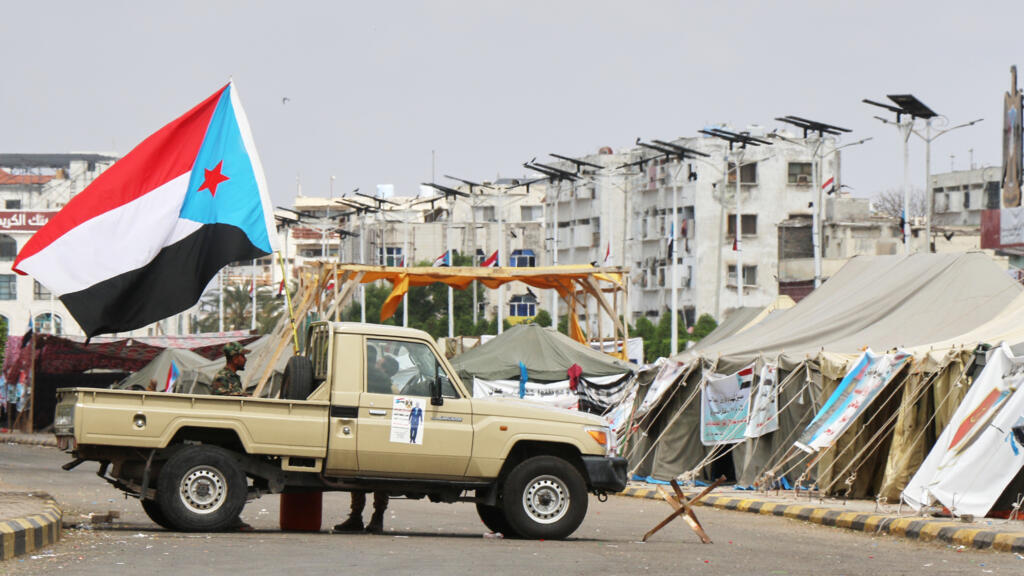

Escalating Tensions Between Saudi Arabia and UAE Over Yemen's Future
Tensions between Saudi Arabia and the United Arab Emirates (UAE) regarding the future of Yemen have intensified in early January 2026, revealing underlying fractures in their alliance and raising concerns about the implications for the already fragile state of Yemen. As Saudi Arabia increases security measures and the UAE announces troop withdrawals, the dynamics in the Gulf region remain precarious.
On January 2, 2026, the UAE declared a significant reduction of its military presence in southern Yemen, a move that comes amidst escalating tensions with Saudi Arabia, its long-time ally. This troop withdrawal signals a potential reevaluation of the UAE’s role in Yemen, which has been a focal point of regional power struggles since the outbreak of the Yemeni Civil War in 2015. According to France24, despite this de-escalation, the prospect of a strategic reconciliation between the two Gulf powers appears dim, which could lead to further complications for Yemen and its neighboring regions.
In a related development, Saudi Arabia has mandated inspections of flights operating between Aden, a crucial city in southern Yemen, and the UAE. This decision reflects heightened security concerns and could be seen as a move to assert more control over the southern transition process, where both nations have vested interests. These inspections indicate that despite the troop withdrawal, Saudi Arabia is not easing its vigilance regarding the UAE’s activities in Yemen.
Background
The complexity of the Yemeni conflict stems from a multi-faceted civil war, where Saudi Arabia and the UAE have supported different factions in their pursuit of influence in the region. The Saudi-led coalition, which intervened in 2015 to restore the internationally recognized government, has been challenged by the rise of the Southern Transitional Council (STC) — a separatist group backed by the UAE. This divergence in strategy has led to friction between the two countries, who have struggled to maintain a united front.
As Yemen continues to grapple with humanitarian crises exacerbated by ongoing conflicts, any shift in alliances between Gulf states can have profound implications. The UAE’s troop withdrawal could embolden local factions and alter power dynamics within Yemen, potentially paving the way for renewed violence or instability.
Outlook
As 2026 unfolds, the geopolitical landscape in Yemen remains uncertain. The tensions between Saudi Arabia and the UAE signal a potential realignment that could lead to further fragmentation of the coalition supporting the Yemeni government. Analysts warn that this development could complicate efforts to negotiate peace and stability in Yemen, as external influences attempt to shape the outcome of the civil war.
The international community continues to watch the situation closely, as both countries navigate their interests in the region. With ongoing conflicts and the risk of escalating violence, the need for diplomatic engagement and a concerted effort towards peace in Yemen has never been more critical. The fate of this war-torn nation hangs in the balance, shaped by the evolving relationships among its key external players.






