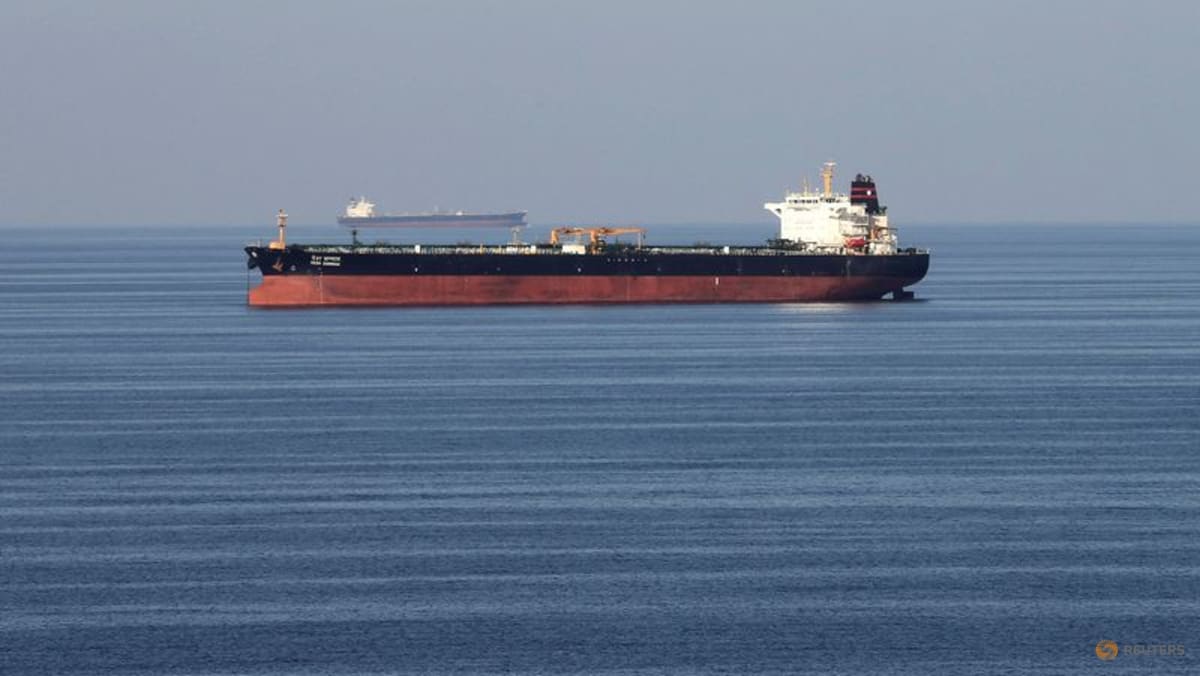

Escalating Maritime Tensions: Latest Strike Near Oman Raises Alarm for Regional Security
Overview of the Incident
An oil tanker in the Gulf of Oman was struck by a projectile early today, injuring at least four crew members—including 15 Indian nationals and five Iranians aboard—and prompting fears of one fatality, according to conflicting initial reports. This attack near Oman's coast underscores a dangerous escalation in maritime threats, disrupting vital shipping lanes and signaling Iran's growing shadow over regional power dynamics.
Details of the Attack
Confirmed details: A commercial oil tanker was hit by an unidentified projectile off Oman's coast in the Gulf of Oman. The vessel carried 20 crew members—15 Indian nationals and five Iranians. Times of India reports four crew injured, while Channel News Asia cites the tanker's manager claiming one crew member killed. No group has claimed responsibility, and the cause remains unconfirmed—possibly a drone or missile strike. The tanker issued a distress call, and rescue operations are underway. No oil spill confirmed yet, but the incident halted traffic in one of the world's busiest chokepoints for energy shipments.
Context & Background
This strike fits a pattern of maritime violence near Oman. On March 1, 2026, a drone strike targeted Oman's Duqm port, damaging infrastructure and exposing vulnerabilities in the Arabian Sea shipping lanes. Earlier incidents, like the 2019 tanker attacks amid U.S.-Iran tensions, also clustered here. These events highlight worsening threats to the Strait of Hormuz and Gulf of Oman, where 20% of global oil transits. The 2026 Duqm attack marked a shift toward asymmetric warfare, and today's strike reinforces this trend, linking proxy or state actions to broader Iran-Houthi networks disrupting trade.
Implications for Regional Security
The attack amplifies risks to maritime safety in the Gulf of Oman, a linchpin for global energy. Iran's influence looms large—Tehran has denied past involvement but backs proxies like Yemen's Houthis, who claimed similar strikes. This reflects shifting power dynamics: Iran's naval proxies challenge U.S.-led coalitions and Gulf states like Oman, Saudi Arabia, and UAE, who rely on secure seas. For India, with 15 crew affected, it's a stark reminder of seafarer vulnerabilities. Economically, even brief disruptions spike oil prices; strategically, it tests Oman's neutrality and pressures international navies to protect 30% of seaborne oil trade. Stakeholders face heightened insurance costs, rerouted shipments, and potential retaliation cycles.
Public Reactions
Social media erupted: @MaritimeExec tweeted, "Another hit off Oman—Gulf of Oman now a no-go zone? #ShippingCrisis," garnering 5K retweets. Indian MP @ShashiTharoor posted, "Prayers for our 15 Indian crew. Time for India to push naval escorts in Gulf," with 10K likes. Omani officials via state media urged calm; U.S. Navy's @5thFleet affirmed "monitoring closely." Experts like @EurasiaGroup analyst: "Iran's shadow play—escalation without fingerprints."
Looking Ahead
Expect Oman to demand UN investigations, with U.S. and UK boosting naval patrols in the Gulf of Oman—mirroring post-2019 deployments. Diplomatic talks via India and Gulf states could push de-escalation with Iran. Watch for Houthi claims or oil price surges above $90/barrel. Escalation risks Iranian Strait closures; de-escalation via backchannels possible.
This is a developing story and will be updated as more information becomes available.






