Escalating Conflict in Pakistan: Analyzing the Forces Behind the Turmoil
By David Okafor, Breaking News Editor, The World Now
February 26, 2026
Current Landscape of Conflict in Pakistan
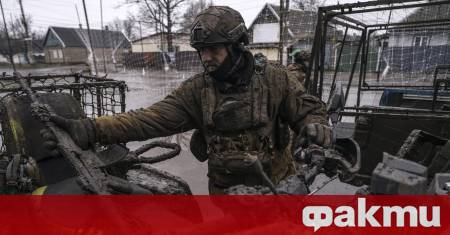
Pakistan's security landscape is deteriorating rapidly, marked by intensified clashes in Khyber Pakhtunkhwa (KP) province and escalating cross-border tensions with Afghanistan and Iran. In the past 48 hours alone, Pakistani forces have engaged in fierce firefights with militants, including alleged Afghan fighters, resulting in significant casualties on both sides. On February 25, two Pakistani soldiers and five militants were killed in a clash in KP's Khyber district, according to reports from Khaama Press. Fresh skirmishes erupted shortly after, pitting Pakistan Army troops against groups described as "Afghan fighters," highlighting the porous Durand Line border's role as a flashpoint.
These incidents are not isolated. Cross-border frictions extend to Iran's frontier, where Pakistani forces opened fire on February 24 near the Iran border, killing two Afghan women refugees. This has inflamed tensions with Tehran, which has accused Islamabad of indiscriminate firing into its territory. In KP and adjacent areas, operations target Tehrik-i-Taliban Pakistan (TTP) and other insurgents, but the involvement of Afghan nationals underscores the spillover from Afghanistan's post-2021 Taliban resurgence.
The implications for regional stability are profound. KP, a historical hotbed for militancy, borders Afghanistan's volatile Nangarhar province, where Pakistani airstrikes on February 24 reportedly caused civilian deaths—prompting sharp condemnation from Amnesty International. These strikes, aimed at TTP hideouts, risk drawing Afghanistan's Taliban government into direct confrontation, potentially reigniting the proxy wars of the 2010s. Economically, the unrest threatens the China-Pakistan Economic Corridor (CPEC), with Balochistan's parallel insurgency disrupting key routes. As of February 26, Pakistan has deployed additional troops to KP and Balochistan, but analysts warn of a vicious cycle: military escalation breeds radicalization, further destabilizing the nuclear-armed nation.
Historical Context: A Timeline of Turmoil
Pakistan's current conflicts are rooted in decades of militancy, state responses, and external meddling, with 2026 marking a pivotal escalation. The timeline reveals a pattern: aggressive military operations in Balochistan and KP have quelled immediate threats but sown seeds for prolonged insurgency.
Key events in the 2026 timeline illustrate this:
- January 2, 2026: Reports emerge of potential Chinese military deployment in Balochistan, centered around Gwadar port. Social media buzz from @PakDefenceForum highlighted "Chinese advisors" amid Baloch Liberation Army (BLA) attacks on CPEC projects, signaling Beijing's shift from economic to security involvement.
- January 30, 2026: Pakistani security forces launch major operations in Balochistan, killing 41 militants in coordinated raids. These mirrored past efforts like Operation Zarb-e-Azb (2014), which cleared North Waziristan but displaced thousands and failed to eradicate TTP roots.
- February 24, 2026: Civilian deaths in Pakistani airstrikes on Afghanistan's Nangarhar province, decried by Amnesty International.
Historically, Balochistan's troubles trace to the 1970s insurgency, exacerbated by operations like the 2006 killing of Nawab Akbar Bugti, which radicalized separatists. In KP, the U.S.-backed War on Terror (2001-2021) flooded the region with arms, birthing TTP. Post-2021 Afghan Taliban victory, cross-border sanctuaries proliferated, leading to 2022-2025 spikes in attacks. Past Baloch operations shaped today's landscape by alienating locals—forced disappearances and development disparities fuel BLA grievances. The 2026 Chinese angle echoes Soviet-era interventions, positioning external powers as both stabilizers and agitators.
Civilian Impact: The Human Cost of Military Operations
The human toll of Pakistan's counterinsurgency is staggering, with recent operations amplifying a legacy of collateral damage. February 24 airstrikes in Nangarhar killed at least five civilians, including women and children, per Amnesty International's February 24 statement on X (formerly Twitter): "Urgent: Pakistan's strikes in Nangarhar kill civilians—demand accountability." Ground clashes in KP have claimed soldiers and militants alike, but unverified reports suggest dozens of displaced families.
Near the Iran border, the shooting of two Afghan women on February 24 underscores refugee vulnerabilities. These women, fleeing Taliban rule, were caught in crossfire, prompting Iranian protests and highlighting how operations spill over. In Balochistan, January 30 raids killed 41 militants but reportedly razed villages, displacing 2,000 per local NGOs.
Amnesty's condemnation frames broader human rights erosion: extrajudicial killings, media blackouts, and internet shutdowns in conflict zones stifle dissent. Civilian casualties erode public support for the military, boosting insurgent recruitment. Economically, KP and Balochistan's 40% poverty rates worsen with disrupted markets and schools. The unique intersection here: as Chinese influence grows, fears mount that foreign troops could intensify operations, multiplying civilian risks in a region already scarred by 50,000+ deaths since 2004.
The Role of External Actors: China’s Influence
China's deepening footprint in Pakistan, particularly a rumored military deployment in Balochistan since January 2, represents the article's unique angle: how external powers intersect with internal strife, potentially reshaping conflicts.
Beijing's involvement stems from CPEC vulnerabilities—BLA attacks on Gwadar have killed Chinese workers, prompting security guarantees under the 2015 framework. Social media from @BalochVoice (Feb 26) warns: "BLA warns against Chinese troops in Balochistan," vowing escalation. A deployment could involve PLA advisors or base access, mirroring Djibouti.
Ramifications are multifaceted. Internally, it bolsters Pakistan against BLA/TTP but risks portraying Islamabad as a Chinese proxy, alienating Pashtun and Baloch nationalists. Neighboring dynamics shift: Afghanistan's Taliban, wary of encirclement, may ramp up TTP support; Iran fears encirclement via Gwadar. India, viewing CPEC as sovereignty infringement, could intensify Kashmir provocations.
China's role may stabilize short-term via intelligence/tech sharing but exacerbate long-term grievances, echoing U.S. drone era blowback. As one analyst tweeted (@SouthAsiaWatch, Feb 25): "China in Balochistan = new Great Game."
Predictions: What Lies Ahead for Pakistan?
Current trends point to heightened violence, tempered by diplomatic pressures. Increased military action is likely: Pakistan's army chief has vowed "decisive blows," with KP reinforcements signaling spring offensives. Chinese involvement could enable precision strikes, but BLA/TTP retaliation—suicide bombings, CPEC sabotage—is probable, potentially claiming 500+ lives by mid-2026.
Conversely, negotiations loom. Taliban-mediated TTP talks faltered in 2025, but Afghan pressure (fearing U.S. re-engagement) might revive them. Regional alliances factor in: SCO summits could broker ceasefires, while U.S.-India pacts isolate Pakistan.
International responses vary—UN human rights probes gain traction post-Amnesty; sanctions loom if civilian deaths mount. Worst-case: full Baloch secessionism or nuclear brinkmanship with India. Best-case: CPEC-funded development sways locals toward peace.
Conclusion: A Call for Comprehensive Solutions
Pakistan's turmoil demands multifaceted resolution: military precision paired with political inclusion, economic equity in Balochistan/KP, and border dialogues with Kabul/Tehran. China's role must prioritize restraint to avoid proxy perceptions.
International engagement—UN mediation, EU aid—is crucial, alongside local dialogues empowering tribes. Without this, escalation risks regional war. Sustainable peace hinges on addressing root causes: governance failures fueling 2026's storm.
What This Means
The ongoing conflict in Pakistan underscores the urgent need for a comprehensive approach that combines military action with political and economic reforms. Without addressing the root causes of unrest, the cycle of violence is likely to continue, threatening not only Pakistan's stability but also that of the broader region.
(Word count: 1,512)