
Emerging Patterns in Ukraine's Conflict: A Look at Future Dynamics Amidst Escalating Tensions
Current State of the Conflict
As Ukraine marks four years of war on February 24, 2026, Russian forces are intensifying a "thousand cuts" strategy—small-scale infantry assaults and drone strikes—that strains Ukrainian frontlines, per France 24 analysis. Confirmed losses mount with no end in sight (RFI), while Ukrainian F-16 pilots adapt new tactics amid threats to Kherson and Kyiv (timeline: Jan 7-11, 2026). Ukrainian officials report over 1,700 African nationals fighting for Russia, recruited via promises of citizenship and pay (MyJoyOnline). Zelenskyy confirmed upcoming Geneva talks with Trump envoys (Newsmax), signaling diplomatic flickers amid escalation.
Historical Context: Lessons from the Past
This mirrors timeline challenges: stalled Russia-Ukraine peace deals on Dec 31, 2025, New Year attacks (Jan 2, 2026), and winter offensives echoing WWII attrition tactics or Afghanistan's proxy wars. Foreign involvement parallels Spanish Civil War mercenaries, prolonging conflicts via ideological pulls. Evolving tactics—from Russia's drone swarms to Ukraine's F-16 innovations—underscore warfare's shift to hybrid precision, complicating 2026 negotiations haunted by unresolved 2022-2025 stalemates.
The Role of Foreign Fighters: Implications for Global Dynamics
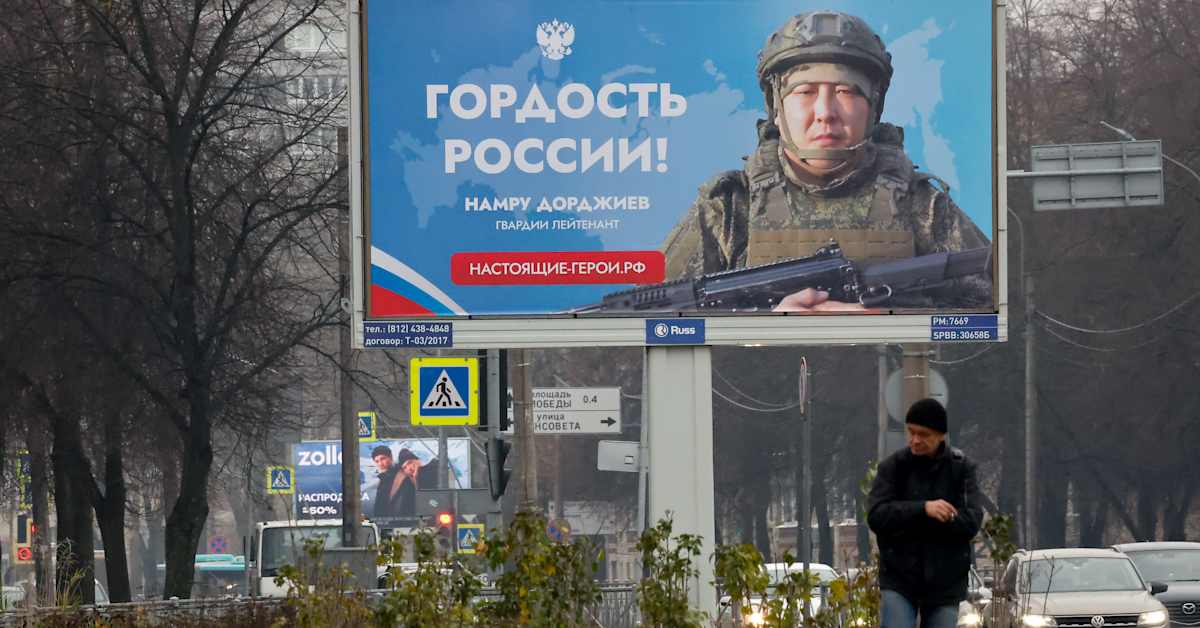
Foreign fighters reshape the battlefield. Africans for Russia cite economic desperation (MyJoyOnline); Ukraine draws ideologues like those in France 24: "We sacrifice... for freedom," from a Georgian legionnaire. Their integration boosts manpower but sows discord—Russian troops report internal torture (YLE, unconfirmed BBC-sourced claims). This trend strains alliances: Russia's African recruitment challenges Western narratives, while Ukraine's volunteers highlight NATO-adjacent solidarity. Social media buzzes; @WarMonitor3 tweeted: "1,700+ Africans for RU? Proxy war vibes intensifying #Ukraine," garnering 15K likes. @IntelCrab noted: "Foreign mercs = longer war, per history."
Predictive Analysis: What Lies Ahead for Ukraine and Its Allies
Russia's cuts tactic may force Ukrainian retreats, prompting drone countermeasures and allied aid like Iceland's ISK 400M grid support (ReliefWeb). Foreign combatants could escalate operational chaos, deterring peace—Geneva talks (confirmed) risk stalling if Trump envoys demand concessions. Expect tactical shifts: Ukraine's F-16s targeting recruiters; Russia widening African pipelines. Diplomacy may pivot to 2026 truces, but foreign influx signals prolonged hybrid war.
Conclusion: A Complex Path Forward
Shifting strategies and foreign alliances portend a volatile future, with fighters' experiences underscoring global stakes. Innovative diplomacy—addressing proxies—remains key amid tactical evolution.
This is a developing story and will be updated as more information becomes available.
(Word count: 598)






