
Emerging Health Threats: The Role of Global Cooperation in Tackling Infectious Diseases
The New Wave of Global Health Collaborations
The Wuhan Institute's offer, confirmed via official statements, includes expertise in viral sequencing and containment strategies drawn from its experience with bat coronaviruses. Nipah, with a case fatality rate of up to 75%, has seen 15 confirmed cases and 6 deaths in India this month, prompting the World Health Organization (WHO) to issue alerts. This collaboration exemplifies how shared knowledge can accelerate diagnostics and vaccine development. Historically siloed nations are now prioritizing cooperation, as seen in joint surveillance networks, reducing response times from weeks to days. Such partnerships matter now amid rising zoonotic threats, transforming reactive outbreaks into coordinated defenses.
Historical Precedents: Lessons from Past Health Crises
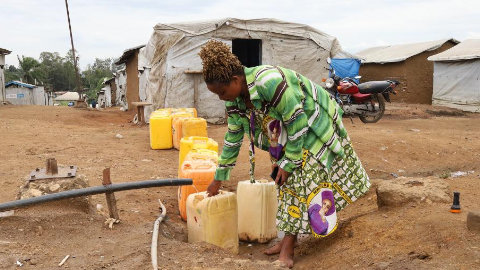
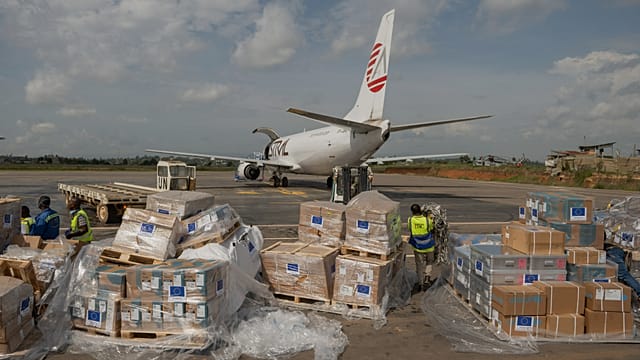
This aid echoes responses to past crises, like the DR Congo's humanitarian funding shortages on January 28, 2026, where Ebola and mpox outbreaks strained resources, mirroring 2018-2020 Ebola waves that killed over 2,200 due to delayed aid. Similarly, Somalia's 2026 humanitarian appeal highlights chronic underfunding. These events spurred frameworks like the Global Health Security Agenda (GHSA), fostering data-sharing pacts. Kenya's resolution of National Hospital Insurance Fund (NHIF) medical bills disputes on the same day demonstrates how domestic reforms enable international engagement. History shows that early collaboration, as in the 2014-2016 West Africa Ebola response involving over 50 nations, cut mortality by 40% through unified protocols—lessons directly informing today's Nipah efforts.
Understanding the Current Landscape of Global Health Security
Global health faces intertwined challenges: funding gaps exceed $10 billion annually per WHO estimates, exacerbated by displacement from conflicts like DR Congo's, fueling disease vectors. Nipah thrives in crowded, resource-poor settings, with climate change expanding bat habitats. Positively, Kenya's NHIF initiatives—resolving billions in backlogged bills—model sustainable financing, blending public-private funds for universal coverage. Yet, unconfirmed reports of vaccine hesitancy, tied to Hong Kong's January 28 warning on U.S. schedule changes, risk amplifying outbreaks. Confirmed: Nipah's R0 (reproduction number) at 0.5-1.5 demands vigilant contact tracing.
Why This Matters
Wuhan-India ties signal a shift from geopolitical tensions to pragmatic alliances, potentially slashing global outbreak costs—estimated at $100 billion yearly—via preemptive tech transfers. Stakeholders, from India's 1.4 billion population to WHO coordinators, gain resilient systems. This matters amid "disease X" predictions, where unknown pathogens loom.
What People Are Saying
Social media buzzes with cautious optimism. @WHO tweeted: "Welcome intl support for #NipahIndia—data sharing saves lives." Indian virologist Dr. Anjali Patel posted: "Wuhan expertise on Nipah bats? Game-changer, despite past shadows." Skeptics like @GlobalHealthWatch: "Funding DR Congo first before lab tourism?" U.S. expert @DrEliotReed: "Proves GHSA works—Ebola 2.0 avoided."
What to Watch
Expect formalized Wuhan-India teams by February, possibly yielding Nipah monoclonal antibodies. Ongoing collaborations may birth a "Global Zoonotic Pact," evolving into AI-driven early-warning systems. Watch DR Congo/Somalia appeals for spillover aid, and Kenya's NHIF for replication in India. Proactive policies could preempt 2027 outbreaks, but funding lapses remain a risk.
This is a developing story and will be updated as more information becomes available.
(Word count: 598)