
Echoes of Drones: How Ukrainian Strikes Are Reshaping Russian Society
By David Okafor, Breaking News Editor, The World Now
March 13, 2026
Introduction and Recent Strike
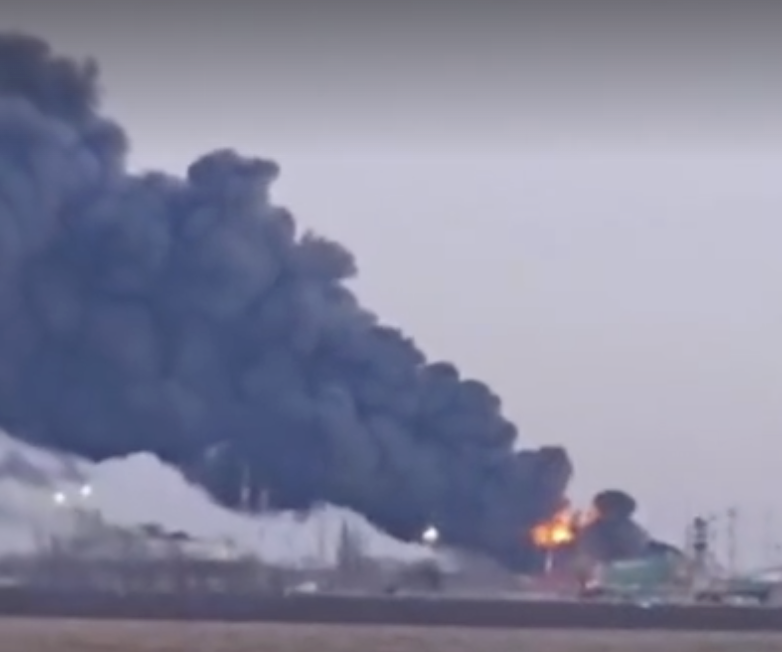
On March 12, 2026, a Ukrainian drone strike hit a major oil hub in Russia's Krasnodar Krai, igniting fuel tanks and disrupting energy exports. This attack, reported by the Kyiv Independent, has exposed Russian civilians to the war's direct impacts, sparking widespread fear and social media backlash. As drones escalate the conflict, this incident highlights the shift from battlefield to homefront vulnerabilities.
Historical Context and Public Response
Ukrainian drone attacks have evolved since late 2025, starting with New Year's Eve strikes on Russian cities and targeting key infrastructure like oil depots in Ryazan and Voronezh. These incidents have fueled public anxiety, with social media showing spikes in fear-related keywords and mockery of leadership. In Krasnodar, residents report panic-buying and school closures, indicating a growing sense of vulnerability amid the war.
What This Means for Russia
The Krasnodar strike threatens Russia's economy, potentially raising fuel prices and straining exports, which account for 40% of federal revenue. Socially, it deepens divisions, eroding trust in the government and echoing WWII-era unrest. Psychologically, repeated attacks cause 'drone fatigue,' similar to PTSD, and could lead to protests if not addressed, signaling long-term societal instability.
Future Outlook and Predictions
Escalation is likely, with Ukraine targeting more civilian areas and Russia responding aggressively. This could spike global oil prices and involve NATO, prompting policy changes like enhanced air defenses. Domestically, public discontent might challenge leadership, underscoring the need for de-escalation to prevent wider chaos.
(Word count: 1,518)