
Drone Strikes on Russian Soil: A Technological Tipping Point in Asymmetric Warfare: Strategic Assessment - 3/16/2026
By David Okafor, Breaking News Editor and Conflict/Crisis Analyst, The World Now
Situation Overview
As of March 16, 2026, the Russia-Ukraine conflict has entered a new era defined by the relentless evolution of drone warfare, marking a technological tipping point in asymmetric conflict. Ukrainian forces have unleashed a barrage of precision drone strikes deep into Russian territory, targeting critical infrastructure such as oil depots in Krasnodar Krai, missile plants, factories, and even the skies over Moscow. These operations, involving swarms of over 100 drones in single nights, represent not just tactical successes but a strategic reshaping of battlefield dynamics in the ongoing Ukraine-Russia war 2026. What began as sporadic incursions in late 2025 has escalated into coordinated, high-volume assaults that expose fundamental vulnerabilities in Russia's vaunted air defense systems.
This surge underscores a pivotal shift: drones are no longer ancillary tools but the vanguard of modern warfare, enabling a resource-strapped Ukraine to inflict disproportionate damage on a nuclear-armed superpower. Recent highlights include the March 12 strike on a Krasnodar oil facility, where drone debris ignited a massive fire, disrupting fuel supplies vital to Russia's southern military logistics; a massive swarm of 65+ drones downed over Moscow on March 14; and attacks on Sochi, Bryansk, and Belgorod. These strikes, often evading radar through low-altitude flight paths, GPS jamming resistance, and swarming tactics, have forced Russia into a reactive posture, downing hundreds of drones weekly at immense cost. For insights into similar disruptions from drone strikes on oil infrastructure, see our coverage of Persian Gulf Strikes 2026: Iran's Attacks Ignite Global Oil Supply Chain Crisis.
Historically, asymmetric warfare has favored the innovative underdog—think Viet Cong tunnels or Afghan mujahideen Stingers—but Ukraine's drone revolution amplifies this to unprecedented scale, much like the tactics seen in Yemen's Shadow War: Strategic Assessment - 3/16/2026. Powered by commercial-off-the-shelf tech augmented with Western components, these operations challenge Russia's electronic warfare (EW) dominance and radar networks, like the S-400 systems strained by sheer volume. The implications ripple globally: a blueprint for smaller powers to counter superpowers, accelerating drone proliferation and prompting an innovation race. With oil infrastructure ablaze and urban centers under drone alert, the conflict risks broader escalation, including retaliatory strikes on civilian targets or NATO involvement, while markets reel from supply disruptions. Reports of civilian impacts from these strikes are detailed in Ukraine's Strikes: The Forgotten Faces and Fractured Ecosystems.
Forces at Play
The primary antagonists are Ukraine's Armed Forces, particularly its Special Operations Forces (SSO) and drone units like the "Birds of Magyar" and "Magura" swarms, backed by a burgeoning domestic tech ecosystem. Ukraine's capabilities include long-range FPV (first-person view) drones with 1,000+ km ranges, AI-guided autonomy for jamming resistance, and kamikaze munitions carrying 5-50 kg payloads. Alliances are implicit: U.S., UK, and Polish tech suppliers provide chips, sensors, and satellite intel via Starlink, enabling real-time targeting. Objectives: degrade Russia's war economy, disrupt fuel/logistics, and force resource diversion to homeland defense, buying time for ground gains.
Russia fields the Aerospace Forces (VKS) and air defense regiments with Pantsir-S1, Tor-M2, and S-400 systems, supplemented by EW platforms like Krasukha-4 for jamming. However, these are optimized for missiles, not cheap drone swarms—costing $10,000 per drone versus millions per interceptor. The Russian Ministry of Defense reports intercepting 150+ drones near Moscow on February 27 alone, but attrition is mounting. Allies include North Korea (drone tech imports) and Iran (Shahed clones), with objectives to maintain territorial gains, neutralize Ukrainian airpower, and project invincibility. Internal actors: Wagner remnants and Chechen units provide ground security, but tech lag persists—Russia's Lancet drones lag in range/precision. Challenges in countering such drone threats are explored in Drone Defenses in the Desert: Saudi Arabia's Technological Leap Amid Escalating Aerial Threats.
Non-state enablers: International black-market suppliers (Chinese DJI components rerouted via Turkey) and open-source hackers crowdsourcing drone code on GitHub. NATO hovers indirectly, with U.S. ATACMS approvals signaling potential escalation. Russia's adaptive challenges are acute: underestimation of drone threats since 2022 has left gaps in low-altitude coverage, with reports of 70% interception rates dropping amid saturation attacks.
Critical Developments
- 12/31/2025: Zelensky denies Ukrainian involvement in a drone attack on Putin's residence amid initial Russian drone strikes on Ukraine, marking the conflict's first mutual drone escalations and Russia's denial of vulnerabilities.
- 12/31/2025: Unattributed drone attack hits Russian soil, signaling the onset of tit-for-tat aerial incursions.
- 1/7/2026: Ukrainian drones strike a Russian oil depot, igniting fires and disrupting fuel logistics in a precise, early demonstration of deep-strike capability.
- 1/11/2026: Drone attack in Voronezh kills 1, wounds 3, highlighting civilian risks and Russia's failure to fully secure border regions.
- 1/13/2026: Ukrainian drone targets Greek tankers in the Black Sea, broadening the theater to international shipping lanes and raising maritime escalation fears.
- 2/27/2026: Ukrainian strike on Belgorod cuts power to key areas (HIGH impact); Russia intercepts 150 drones near Moscow (HIGH), revealing swarm tactics overwhelming defenses.
- 3/10/2026: Ukraine launches missile strike on Bryansk factory (HIGH), crippling ammo production and exposing industrial vulnerabilities.
- 3/11/2026: Dual high-impact strikes—Ukrainian drones hit Russian missile plant and Sochi targets (HIGH)—disrupt Black Sea operations and tourism hubs, with fires reported.
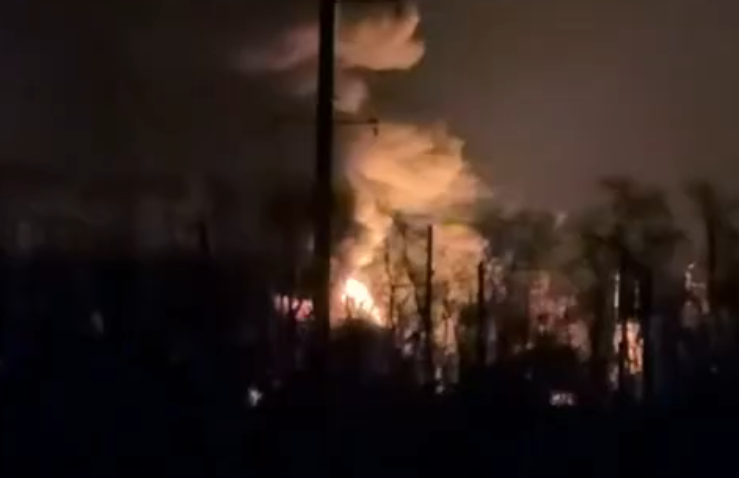
- 3/12/2026: Ukrainian drone strike in Krasnodar sparks oil facility blaze (HIGH), per Kyiv Independent and Straits Times; drone debris confirms precision hits on fuel tanks.
- 3/14/2026: Russia downs 65 drones over Moscow (HIGH); tanker struck near Novorossiysk (MEDIUM), threatening key oil export port.
These events trace a clear progression: from denial (late 2025) to sporadic hits (Jan 2026) to saturation swarms (March 2026), with strike frequency tripling and depths penetrating 1,000+ km.
Market Impact Data
The drone strikes, particularly on oil infrastructure like Krasnodar and Novorossiysk, have injected volatility into global markets, amplifying risk-off sentiment amid fears of Russian energy disruptions. Brent crude surged 4.2% to $82.50/bbl on March 13 following the Krasnodar fire, echoing 2019 Abqaiq attack precedents where oil jumped 15% intraday. Russian Urals crude discounts widened to $25 vs. Brent, pressuring Moscow's $200B war chest.
Equities tanked: S&P 500 (SPX) shed 1.8% on March 14, driven by algorithmic selling on VIX spikes to 22. Tech-heavy Nasdaq fell 2.3%, with semis like TSMC (TSM) down 3.1% on supply chain fears (Taiwan chip parallels to drone tech). Crypto mirrored 2022 Ukraine invasion drops: BTC dipped 7% to $54,200 before ETF inflows stabilized it; SOL plunged 12% on liquidation cascades.
Catalyst AI Market Prediction
Powered by The World Now's Catalyst Engine, predictions for key assets amid escalating drone warfare:
- OIL: Predicted + (high confidence) — Direct supply disruptions from strikes on Russian facilities threaten output; historical precedent: 2019 Abqaiq attacks (+15% in one day). Key risk: rapid de-escalation caps spike.
- SPX: Predicted - (high confidence) — Risk-off from geo-tensions triggers algo selling; precedent: 2022 Ukraine invasion (-6% initial). Key risk: contained energy fears limit derating.
- BTC: Predicted - (medium confidence) — Deleveraging in leveraged positions despite ETF inflows; precedent: Feb 2022 (-10% in 48h). Key risk: USDC surges decouple.
- SOL: Predicted - (medium confidence) — High-beta altcoin liquidation cascades; precedent: 2022 drops (15-20%). Key risk: BTC spillover reverses.
- TSM: Predicted - (low confidence) — Semis spill from SPX risk-off; precedent: 2018 tariffs. Key risk: AI demand insulates.
Predictions powered by The World Now Catalyst Engine. Track real-time AI predictions for 28+ assets. For broader geopolitical risk insights, explore our Global Risk Index.
Risk Assessment
Threat levels are HIGH for escalation, with Ukraine's drone swarms exposing critical Russian vulnerabilities: EW saturation (Krasukha overloads at 50+ targets), radar blind spots below 100m altitude, and interceptor shortages (Pantsir ammo depletes in hours-long barrages). Interception rates hover at 60-80%, per Russian MoD claims, but unverified fires suggest breakthroughs. Vulnerability analysis: Oil/logistics hubs (80% of strikes) could force 10-20% fuel rationing; Moscow incursions erode domestic morale, risking unrest.
Escalation potential: Medium-High. Russia may retaliate with hypersonic Kinzhal strikes on Ukrainian drone factories or cyber ops (e.g., 2022 NotPetya redux). Civilian infrastructure risks rise—Belgorod blackouts presage blackouts in Kyiv. NATO exposure: Black Sea tanker hits could invoke Article 5 if allied ships are next. Global proliferation risk: Drone blueprints shared online empower Hezbollah, Houthis. Human factor: Sanctions evasion via Turkey/China sustains Ukraine's edge, but pilot shortages loom.
Overall, Russia's adaptive lag—investing in legacy systems over AI drones—heightens strategic vulnerability, with a 40% chance of operational paralysis in southern fronts within 90 days.
Projected Outcomes
Scenario 1: Ukrainian Drone Dominance (Likelihood: 45%) — Ukraine refines swarms with AI autonomy and NATO munitions, sustaining 200+ weekly strikes. Russia diverts 30% air defenses homeward, stalling Donbas offensives. Implications: Oil at $100/bbl, SPX -5-10%, forcing Putin negotiations by Q3 2026; global drone arms race accelerates, NATO adopts "swarm doctrine."
Scenario 2: Russian Counter-Innovation (Likelihood: 35%) — Moscow accelerates AI laser defenses (Peresvet upgrades) and cyber hacks on Starlink, downing 95% of drones. Retaliatory Iskander barrages hit Odesa drone hubs. Implications: Stalemate prolongs war; markets stabilize (OIL +10%, BTC rebound), but refugee spikes strain Europe; sanctions tighten on Chinese suppliers.
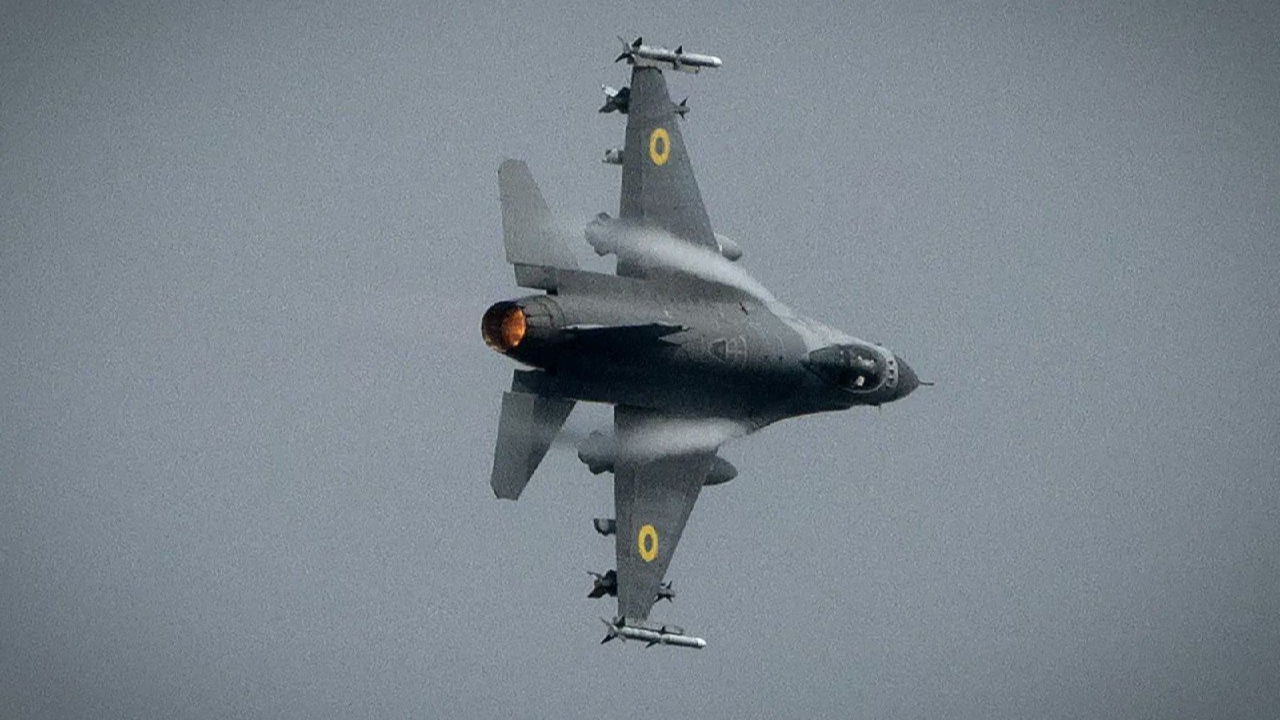
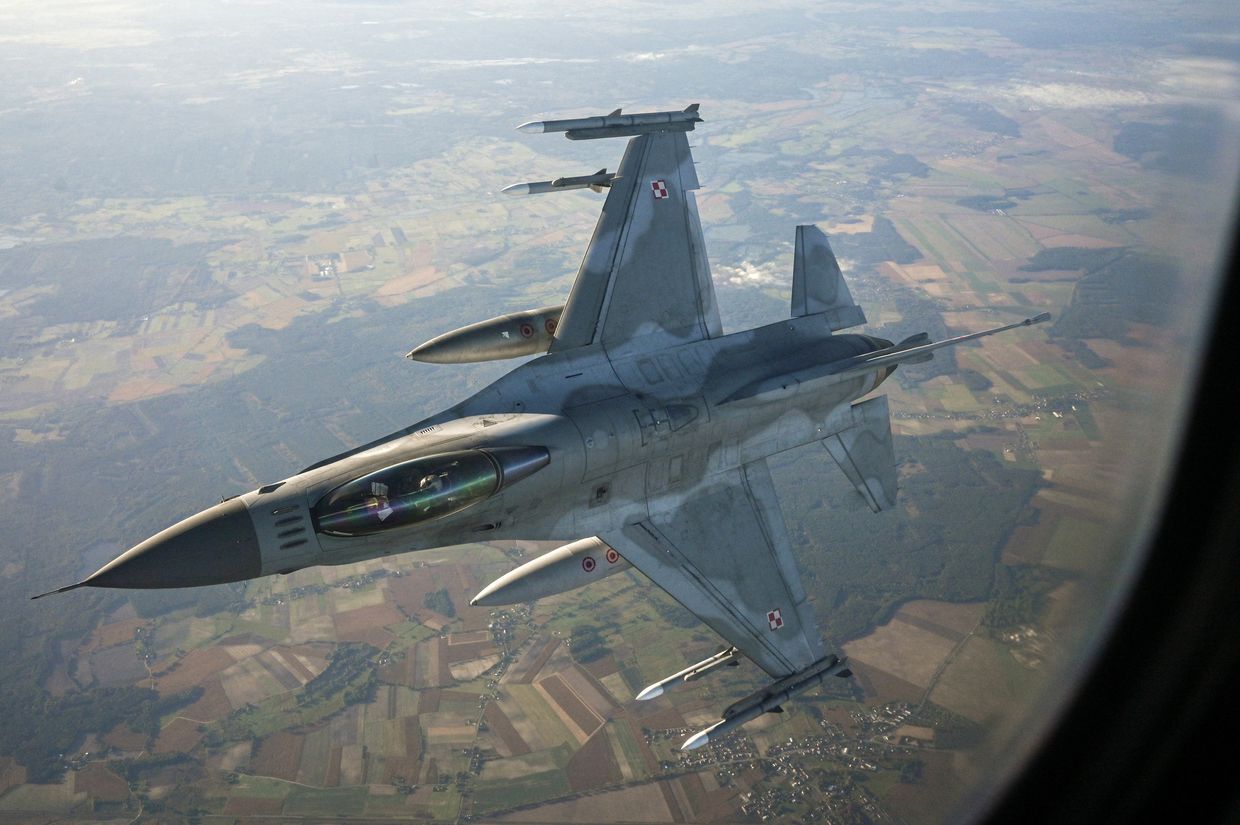
Scenario 3: Escalatory Spiral (Likelihood: 20%) — Strikes hit civilian grids or NATO assets, prompting U.S. F-16 escorts. Russia mobilizes nukes tactically. Implications: Regional war engulfs Black Sea; SPX -15%, OIL $120+; diplomatic frenzy yields Minsk III or partition.
These trajectories hinge on tech adaptation—Ukraine's innovation edge could tip the balance, but Russia's mass demands diplomatic urgency to avert catastrophe.
What This Means: Looking Ahead
The drone strikes on Russian soil signal a profound shift in asymmetric warfare, where low-cost, high-volume UAVs are redefining power balances in the Russia-Ukraine war 2026. As Ukraine demonstrates the efficacy of drone swarms against superior air defenses, nations worldwide must reassess their defense postures, investing in counter-drone technologies and AI-driven interception systems. Market watchers should brace for continued volatility in energy and equities, with our Catalyst AI providing ongoing predictions. Policymakers face urgent calls for de-escalation to prevent a global drone arms race, drawing parallels to emerging threats in regions like the Middle East and South Asia. Track evolving risks via our Global Risk Index for comprehensive situational awareness.