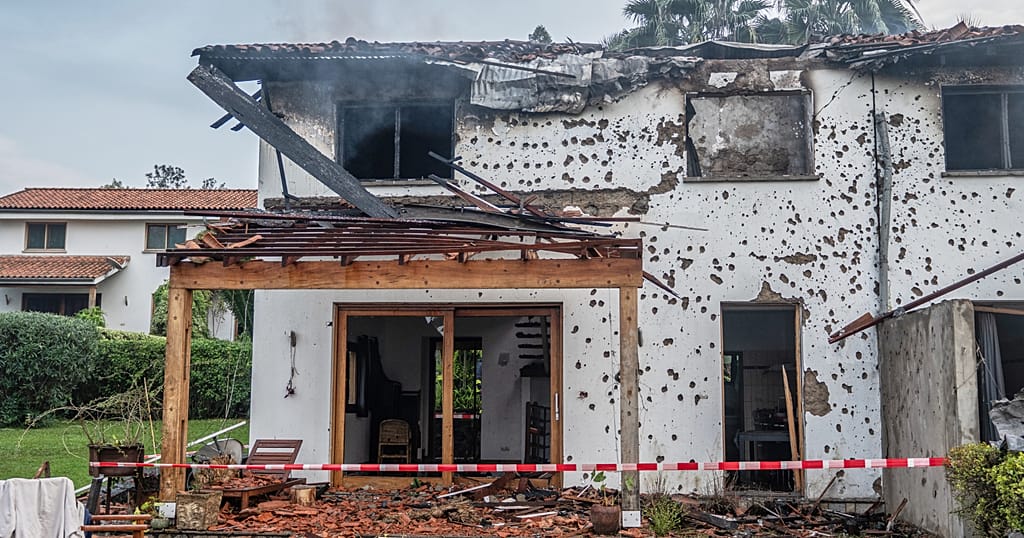

Drone Strikes in DR Congo: The Human Cost of Modern Warfare
By Viktor Petrov, Conflict & Security Correspondent, The World Now
March 13, 2026 | 1,512 words
Introduction: Escalating Tensions in the Skies
On March 11, 2026, drone strikes targeted M23 rebel positions in eastern DR Congo, killing several people, including civilians. This incident highlights the growing use of drones in asymmetric warfare, raising ethical concerns and worsening humanitarian crises in the region. As investigations begin, we examine the moral implications, historical context, and future risks of these remote attacks.
Historical and Current Context
The DR Congo's conflicts trace back to the 1990s wars, involving foreign proxies and resource disputes. Recent drone strikes, like the March 2026 attack that killed an aid worker, reflect a shift to advanced technology. M23 rebels, backed by external forces, control parts of North Kivu, leading to investigations and mass displacement. These events underscore the asymmetry in modern warfare, where drones amplify civilian suffering and regional instability.
Ethical Implications and Looking Ahead
Drones offer precision but often result in collateral damage, eroding trust and fueling recruitment. Ethical issues, such as faulty intelligence and psychological trauma, demand better oversight. Looking ahead, escalation could draw in neighboring countries, prompting international sanctions. Recommendations include AI-driven protocols and global treaties to mitigate risks and promote peace in the Great Lakes region.
Conclusion
The drone strikes in DR Congo reveal the dark side of technological warfare, prioritizing hardware over humanity. With ongoing probes and rising tensions, global cooperation is essential to prevent further humanitarian disasters.






