Displacement Crisis Intensifies Amid Ongoing Sudan War
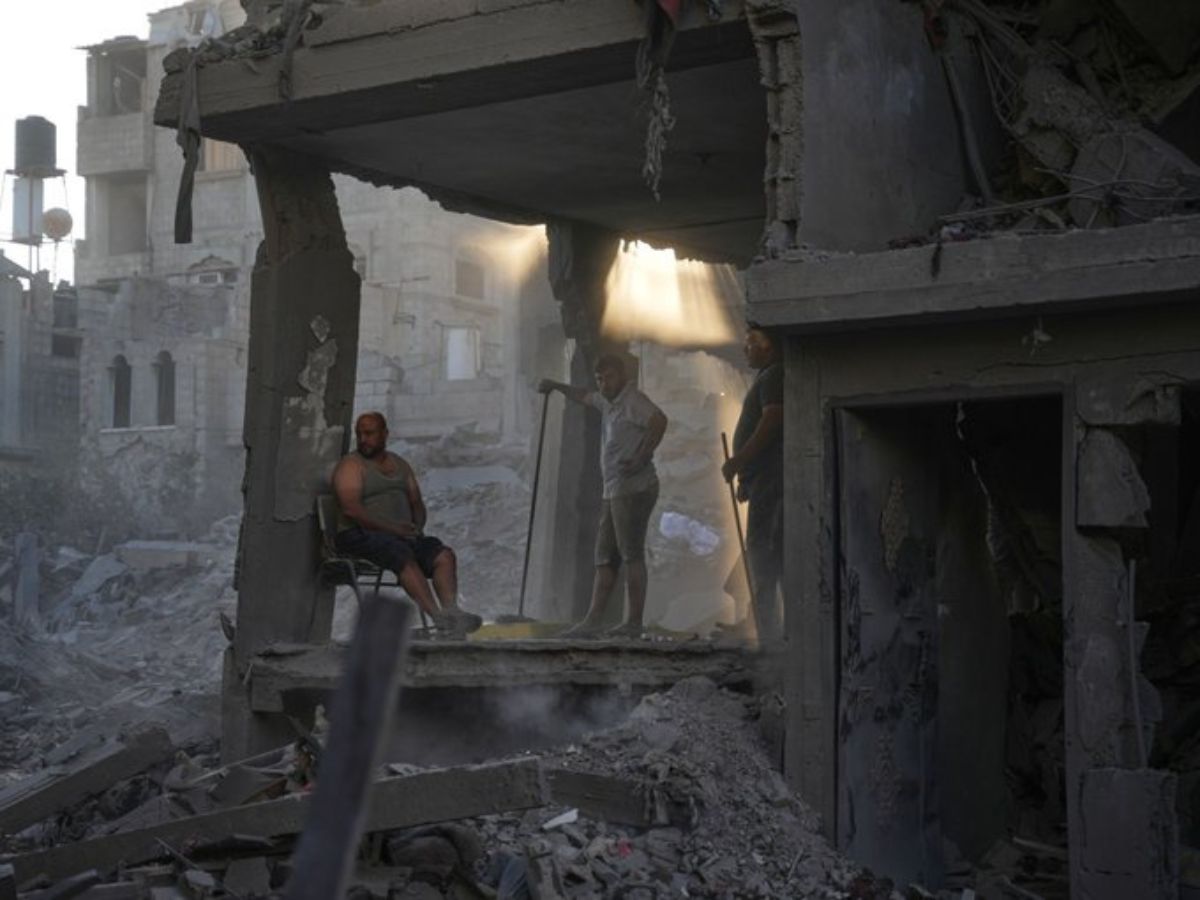
As the civil war in Sudan continues to devastate communities, reports indicate a significant increase in the size of displacement camps in el-Fasher, a city in North Darfur. The escalating conflict has forced countless individuals to flee their homes in search of safety, exacerbating an already dire humanitarian situation.
Since December 31, 2025, el-Fasher has become a focal point for displacement, with camps swelling as families escape the violence. The ongoing war, which has persisted since April 2023 between the Sudanese Armed Forces (SAF) and the Rapid Support Forces (RSF), has led to widespread chaos and insecurity throughout the region. The International Crisis Group has predicted that 2026 is unlikely to see a reduction in violence, suggesting that the conflict will remain a significant concern for humanitarian efforts in the coming year.
Reports indicate that the humanitarian crisis is compounded by the destruction of infrastructure. According to the Sudan Doctors Network, while over 40 hospitals and 244 health centers have recently resumed services in the capital, Khartoum, approximately 70% of healthcare facilities were rendered inoperative during the first year of the war. This limited recovery underscores the challenges faced by civilians who are in desperate need of medical assistance amid ongoing hostilities.
The situation is not confined to Sudan alone. Many fleeing the violence are seeking refuge in Europe, with Greece becoming a notable destination for asylum seekers. Reports indicate that individuals arriving in Greece are struggling to navigate the complex asylum process, facing significant challenges as they attempt to secure safety far from their war-torn homeland.
The plight of those displaced by the Sudanese conflict is part of a broader pattern of instability affecting the region. Amid ongoing tensions in the Middle East, including the Israel-Gaza conflict and unrest in Yemen, the Crisis Group highlights that conflicts in Sudan, Yemen, and Gaza are among those to watch closely in 2026.
Background
Sudan has been embroiled in civil war since April 2023, resulting from longstanding power struggles and ethnic tensions. The conflict erupted into violence as the RSF and SAF clashed for control, leading to a rapid deterioration of security and humanitarian conditions. The war has resulted in thousands of deaths and has displaced millions, leading to a critical humanitarian crisis within Sudan and affecting neighboring countries.
The situation in el-Fasher exemplifies the challenges faced by many communities across Sudan. Displacement camps are often ill-equipped to handle the influx of those seeking refuge, lacking basic necessities such as food, water, and medical care. The international community has been called upon to provide aid, yet logistical challenges and ongoing violence hinder effective response efforts.
Conclusion
The ongoing war in Sudan continues to generate a significant displacement crisis, with el-Fasher emerging as a critical area for humanitarian assistance. As 2026 unfolds, the need for comprehensive solutions to address the root causes of the conflict and to provide support for those affected is increasingly urgent. Without a concerted effort to stabilize the region, the suffering of Sudanese civilians is likely to persist, further emphasizing the necessity for sustained international attention and intervention.