
Diarrhoea Outbreak in Indore: Water Contamination Leads to Deaths and Illnesses
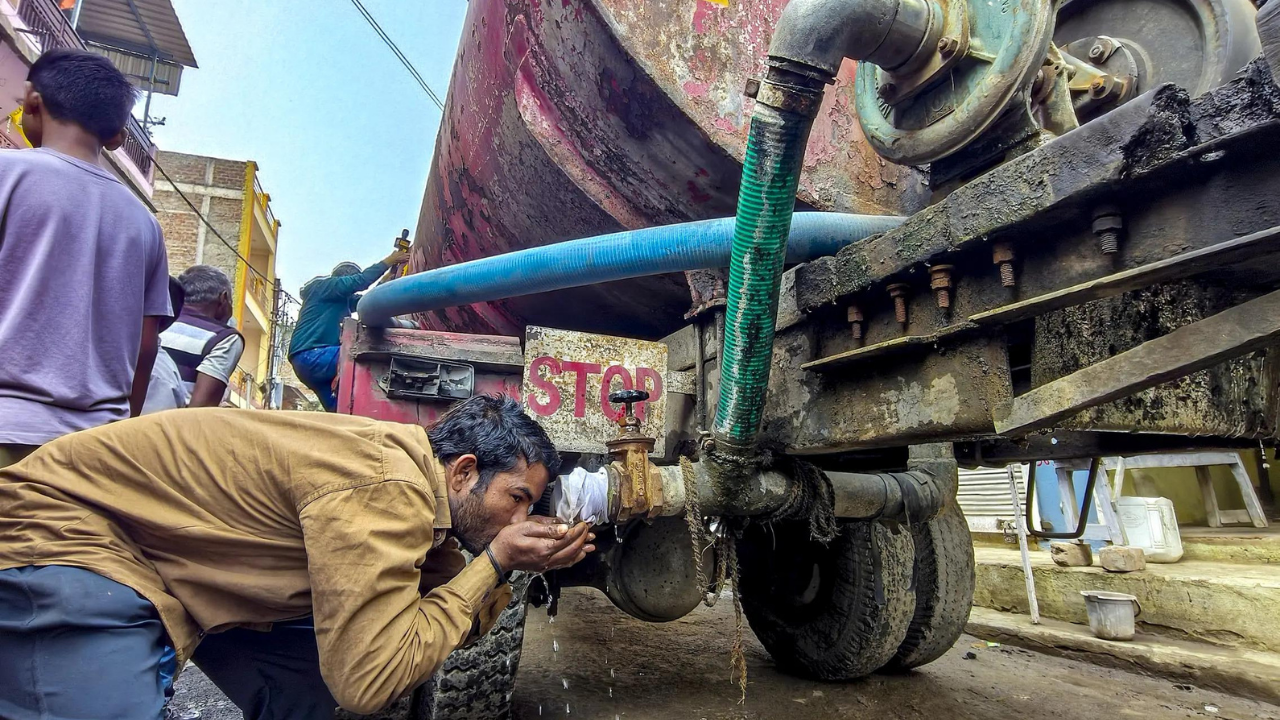
A severe diarrhoea outbreak in Indore, India, has raised significant health concerns after contaminated drinking water was linked to four fatalities and over 1,400 reported illnesses. The outbreak, which began on January 2, 2026, is attributed to a leak in a main supply pipeline, leading to widespread panic among residents regarding the safety of their municipal water supply.
The situation has escalated to a public health crisis, with residents expressing fears over the quality of their drinking water. Many have resorted to purchasing bottled water, significantly increasing their expenses as they avoid using tap water altogether. "We are scared to drink tap water after this tragedy," a local resident commented, highlighting the community's growing distrust in municipal water services.
Local authorities have responded to the crisis with a series of measures aimed at curbing the spread of the outbreak and restoring public confidence. These efforts include increased chlorination of water supplies and the launch of awareness campaigns to educate residents about safe drinking practices. Health officials are also conducting door-to-door surveys to monitor the situation and provide necessary medical assistance to those affected.
The outbreak has not only affected the health of individuals but has also tarnished Indore's reputation for cleanliness and public health management. Historically known for its sanitation initiatives, the current crisis has prompted discussions about the reliability of water infrastructure in urban areas. Residents are questioning the effectiveness of the municipal supply and calling for immediate improvements to prevent future incidents.
Health experts are urging the local government to investigate the root causes of the contamination thoroughly. They stress that while immediate remedial actions are essential, long-term solutions must be implemented to enhance the safety and resilience of the city's water supply system. "This incident underscores the urgent need for infrastructural upgrades and regular monitoring of water quality," stated a public health official.
As the outbreak continues, hospitals in Indore are reporting an influx of patients suffering from diarrhoea and related symptoms. Medical teams are working tirelessly to provide treatment and manage the situation, but there are concerns about the strain on local healthcare facilities.
In light of the current outbreak and the challenges it presents, the focus remains on ensuring the safety of drinking water for all residents of Indore. Authorities are under pressure to act decisively to restore public trust and prevent similar health crises in the future.
As the situation evolves, health officials are advising residents to remain vigilant and report any symptoms of diarrhoea promptly. Continued monitoring and public health interventions will be crucial as Indore navigates through this pressing health emergency.