
Diarrhoea Outbreak in Indore: Contaminated Water Linked to High Mortality Rate
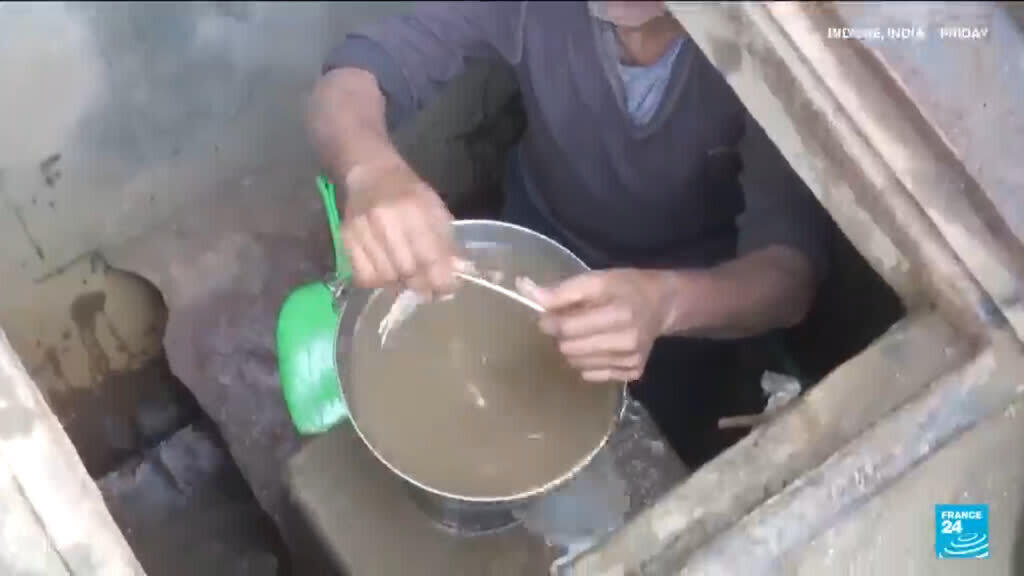
A severe diarrhoea outbreak in the central Indian city of Indore has resulted in at least four confirmed deaths and more than 1,400 reported illnesses, as local health officials scramble to address the crisis. The outbreak has been attributed to contaminated drinking water, stemming from a leak in a main supply pipeline, raising urgent concerns about public health and infrastructure in the area.
The outbreak began on January 2, 2026, and has rapidly escalated, overwhelming local health facilities. Reports indicate that the contaminated water supply has led to widespread illness, with many residents experiencing severe symptoms of diarrhoea. Health authorities are currently working to contain the situation, but the scale of the outbreak has raised alarm among the community and public health officials alike.
Local health officials have confirmed that the outbreak is linked to longstanding issues with the city’s sewage system. Residents have expressed frustration over what they perceive as governmental negligence in addressing these infrastructural problems. "The authorities have been aware of the deteriorating conditions for years, yet nothing has been done to fix the sewage issues that have now resulted in this tragedy," a local resident lamented.
As hospitals in Indore continue to admit patients exhibiting symptoms of diarrhoea, healthcare providers are urging the public to avoid drinking unboiled water and to seek immediate medical attention if they experience severe gastrointestinal symptoms. Health officials have also initiated an awareness campaign to educate residents about hygiene practices and the importance of safe drinking water.
In response to the growing crisis, local government officials have promised to investigate the root causes of the contamination and to implement measures to prevent future outbreaks. "We are mobilizing resources to ensure that all affected individuals receive the necessary medical care," stated a spokesperson for the Indore municipal corporation. "Additionally, we will conduct thorough inspections of water supply lines to prevent any further contamination."
The outbreak's severity has raised questions about the overall state of public health infrastructure in India, particularly in urban areas where populations are rapidly growing. This incident in Indore is not an isolated case; similar outbreaks have occurred in various parts of the country, highlighting the ongoing challenges of ensuring access to clean drinking water.
Despite the government's assurances, many residents remain sceptical. "We need more than just promises; we need action," said another local resident. "Our lives depend on it."
As Indore grapples with this health crisis, the situation underscores the urgent need for improved water management and sanitation systems across India. The health implications of this outbreak may extend beyond immediate illness, potentially leading to longer-term impacts on the community's trust in public health authorities.
The coming weeks will be critical as local health officials work to contain the outbreak and as the community rallies to support those affected. The hope is that lessons learned from this tragic event will lead to necessary reforms that improve health outcomes for all residents.
The situation in Indore serves as a stark reminder of the vulnerabilities present in urban health systems, particularly when it comes to ensuring safe drinking water—a basic human right that remains out of reach for many.