
Diarrhoea Outbreak in Indore Claims Lives Amid Water Contamination Crisis
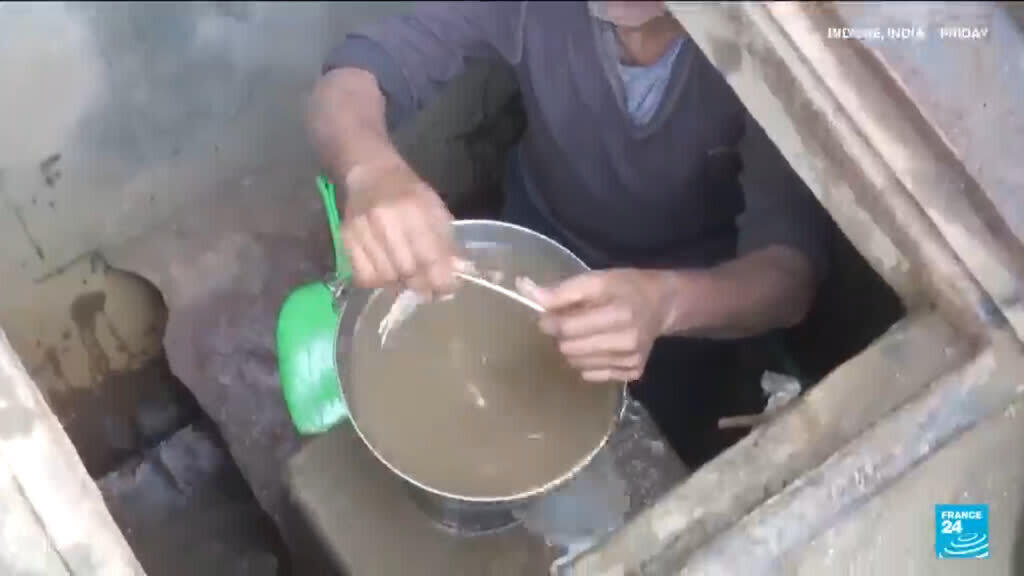
A severe diarrhoea outbreak in Indore, a city in central India, has led to the deaths of at least four individuals and has sickened over 1,400 others. This health crisis, which began on January 2, 2026, is reportedly linked to contaminated drinking water stemming from a leak in a main supply pipeline. Local health officials are racing to address the situation, which has drawn criticism for the city's handling of sanitation and water quality issues.
Health authorities confirmed that the outbreak has resulted in a significant number of hospitalizations, with more than 250 patients requiring medical attention. The situation has raised alarms about the quality of drinking water in the city, known for its previous accolades as one of India's cleanest urban areas. Residents have expressed frustration over the perceived negligence of local authorities, who they believe have failed to adequately manage the sewage system and prevent contamination.
Local officials have been quick to engage in a blame game following the outbreak. According to reports, key figures within the Bharatiya Janata Party (BJP)-led municipal body are facing scrutiny, and some have already been suspended in the wake of the crisis. The Chief Minister has intervened, demanding accountability for the lapses that led to the outbreak. This incident underscores the urgent need for improvements in public health infrastructure and the maintenance of essential services in the city.
Peter O'Brien, a correspondent covering the outbreak, noted that the residents of Indore are deeply concerned about the implications of this health crisis. "The longstanding issues with the sewage system have come back to haunt the city's reputation. People are demanding answers and action from those in power," he stated.
Background
Indore has been recognized in the past for its cleanliness initiatives and effective waste management practices. However, this outbreak has raised serious questions about the sustainability of these efforts, particularly in light of increasing urbanization and population density. The city's infrastructure has struggled to keep pace with these changes, leading to vulnerabilities in public health systems.
The current outbreak is not an isolated incident. India has faced numerous challenges related to waterborne diseases, particularly in urban areas where sanitation infrastructure may be lacking. Diarrhoeal diseases are a leading cause of mortality among children in the country, highlighting the critical importance of access to clean drinking water and effective waste management.
As the outbreak continues to unfold, local health officials are mobilizing resources to combat the spread of the illness. They are implementing measures such as distributing safe drinking water, increasing public awareness about hygiene practices, and ramping up medical services to manage the influx of patients.
Conclusion
The diarrhoea outbreak in Indore serves as a stark reminder of the ongoing public health challenges facing many regions in India. With its reputation at stake, city officials must take immediate and effective action to address the underlying issues contributing to this crisis. The health and safety of the residents depend on swift accountability and reforms to ensure that such tragedies do not recur in the future. As the situation develops, the need for systemic improvements in water supply and sanitation cannot be overstated.