
Delhi-NCR Battles Intensifying Cold Wave and Poor Air Quality as Unexpected Rains Fail to Clear Smog
New Delhi, India – Northern India's capital region is enduring a harsh winter spell, marked by an unexpected early morning rain on Friday that has exacerbated a biting cold wave while leaving air pollution levels stubbornly high. Delhi's Air Quality Index (AQI) has been classified as poor, reaching 288 as of early January, with recent readings climbing to a very poor 321, prompting concerns over smog, reduced visibility, and potential disruptions to daily life.
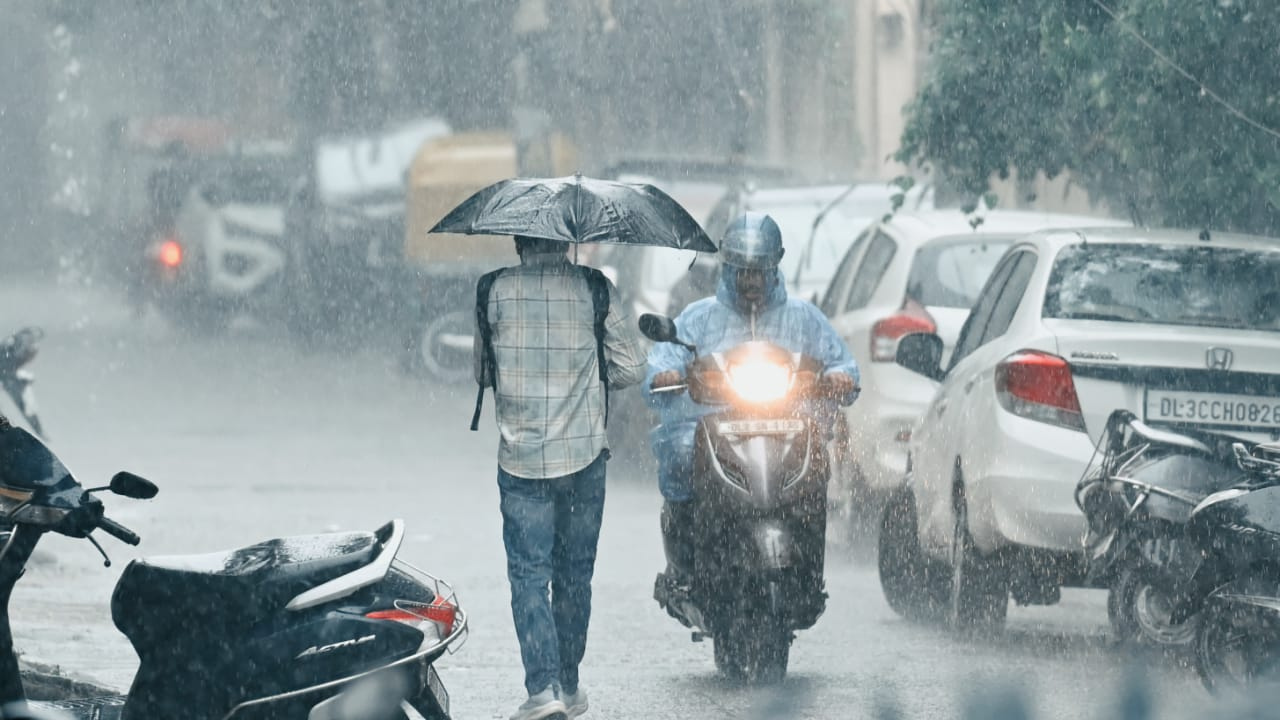
The sudden showers across Delhi-National Capital Region (NCR) brought brief relief from the dry chill but ultimately intensified the cold wave, according to reports. Accompanied by gusty cold winds, the precipitation lowered the minimum temperature to around 6°C, heightening the "chill factor" for residents. While flight operations at key airports like Indira Gandhi International Airport continue, authorities have warned of possible delays due to visibility challenges posed by persistent smog and anticipated dense fog.
Details of the Weather Disruptions
The rain event, described as unexpected for the season, occurred early Friday morning, drenching parts of Delhi-NCR. Rather than dispersing pollutants, the light showers trapped smog closer to the ground, maintaining alarmingly high pollution levels. The AQI of 321 falls into the "very poor" category under India's national air quality monitoring framework, where readings above 300 signal significant health risks, particularly for vulnerable groups such as children, the elderly, and those with respiratory conditions.
This poor air quality episode traces back to at least January 6, when the AQI was recorded at 288—still in the "poor" range (201-300), leading to hazy conditions and visibility issues across the city. The combination of stagnant winter air, vehicular emissions, industrial activity, and seasonal crop residue burning in neighboring states like Punjab and Haryana has fueled the smog buildup, a recurring issue in the region.
Meteorological forecasts indicate that dense fog will blanket northern and central India in the coming days, with "cold day" conditions—defined as maximum temperatures at least 4.5°C below normal—expected to persist. Minimum temperatures are projected to hover around 6°C, while cold winds from the northwest continue to sweep through the plains.
Broader Context of India's Winter Weather Patterns
Delhi's winter woes are emblematic of a larger pattern affecting northern India during the cold season, typically from December to February. The India Meteorological Department (IMD) has frequently issued warnings for cold waves in recent years, driven by western disturbances—extratropical storms originating from the Mediterranean—that bring erratic rainfall and reinforce low temperatures.
Air pollution in Delhi routinely spikes during this period due to a meteorological phenomenon known as temperature inversion, where a layer of warm air traps cooler, pollutant-laden air near the surface. The Commission's for Air Quality Management (CAQM) in NCR and Adjoining Areas has activated measures under the Graded Response Action Plan (GRAP) in response to poor AQI levels. Stage I of GRAP, triggered at AQI 211-300, includes enhanced dust control at construction sites, stricter emission norms for industries, and bans on coal or firewood use in pollution hotspots.
Historical data underscores the severity: In November 2023, Delhi's AQI breached 400 multiple times, leading to school closures and remote work mandates. Similar events in 2024 saw the Supreme Court intervene, criticizing enforcement lapses. This year's episode, starting in early January 2026, aligns with El Niño-influenced weather variability, which has delayed monsoons and prolonged dry winters, exacerbating pollution accumulation.
Transportation has felt the impact, with low-visibility fog historically causing over 100 flight diversions annually at Delhi's airport. Road travel is equally hazardous, as evidenced by past incidents of multi-vehicle pileups on fog-shrouded highways like the Delhi-Agra Yamuna Expressway.
Health and Economic Implications
Exposure to AQI levels above 250 is linked to increased respiratory illnesses, cardiovascular strain, and worsened conditions like asthma and bronchitis, per World Health Organization (WHO) guidelines. Hospitals in Delhi have reported a uptick in cases during such episodes, straining public health resources.
Economically, the cold wave disrupts outdoor labor, agriculture, and logistics. Farmers in NCR delay harvesting due to frost risks, while construction halts under GRAP restrictions.
Outlook and Mitigation Efforts
The IMD predicts the cold wave to linger through the weekend, with dense fog likely reducing visibility to under 200 meters in some areas. Relief may come with clearer skies early next week, potentially improving AQI marginally, though experts caution that without sustained wind dispersal, pollution could rebound.
Authorities urge residents to minimize outdoor activities, use N95 masks, and rely on air purifiers indoors. Long-term solutions, including the National Clean Air Programme's push for electric vehicles and stubble management tech, remain critical amid calls for regional cooperation.
As Delhi-NCR navigates this multi-faceted weather challenge, the interplay of cold snaps, rain, and smog highlights the urgent need for resilient urban planning in one of the world's most polluted capitals.
(Word count: 712)