Death Toll Climbs to Four in Devastating Landfill Collapse in Cebu, Philippines; Dozens Still Missing

Latest from X
Death Toll Climbs to Four in Devastating Landfill Collapse in Cebu, Philippines; Dozens Still Missing
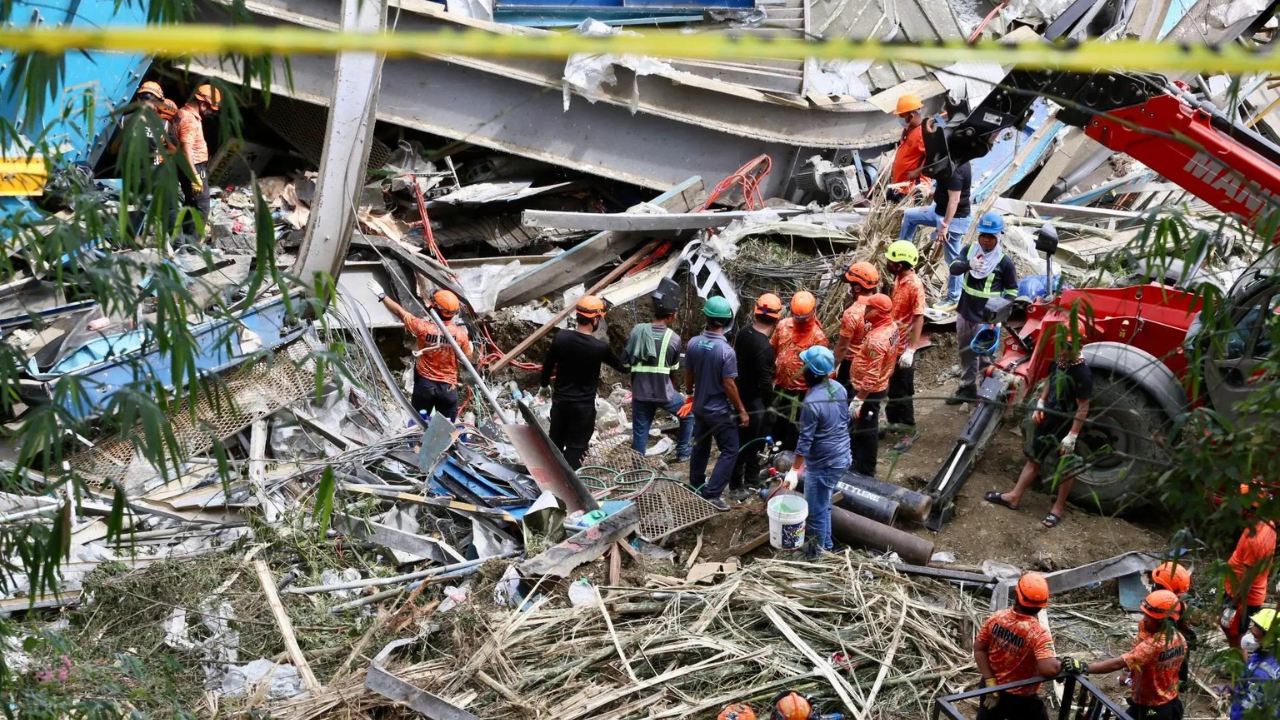
Cebu, Philippines – Rescue teams are battling unstable terrain and tons of shifting garbage in a frantic search for survivors following a catastrophic landfill collapse in Binaliw, Cebu, that has killed at least four people and left around 34 others feared trapped as of January 10, 2026.
The disaster struck early on January 9 at a municipal landfill site in Binaliw, a barangay in Cebu City in the central Philippines, where a massive "mountain of rubbish" gave way, burying waste pickers and workers under layers of debris. Initial reports indicated one confirmed death and at least 27 missing, but the toll has risen sharply as recovery efforts progressed, with authorities confirming four fatalities and dozens more unaccounted for. The incident, described as a "garbage avalanche," has drawn comparisons to past tragedies in the country, highlighting ongoing risks at overburdened waste sites.
Emergency responders, including local disaster management teams and national agencies, rushed to the scene shortly after the collapse, reported around 4:51 a.m. GMT on Friday. Digging through unstable mounds of waste by hand and with heavy machinery, rescuers face perilous conditions exacerbated by the site's composition of compacted trash, leachate, and potential pockets of toxic gases. Posts on X (formerly Twitter) reflect widespread concern, with users sharing videos of operations under the hashtag #CebuLandfillCollapse and noting sentiments of prayers for families and calls for urgent aid, though exact figures vary and remain unverified.
Rescue Efforts Intensify Amid Hazardous Conditions
Operations continue around the clock, with teams prioritizing the location of those trapped based on witness accounts and mobile phone signals. Many of the missing are informal waste sorters—known locally as scavengers—who eke out a living by sorting recyclables from the landfill. These workers, often from low-income communities, were on site early Friday when the slope failed.
Authorities suspect ground instability, possibly worsened by heavy recent rainfall, as a primary cause. The Philippines' rainy season, which typically peaks from June to December but can extend with climate variability, has saturated soils across the Visayas region, including Cebu. Investigations are underway by the Department of Environment and Natural Resources (DENR) and local government units to assess whether the site exceeded capacity limits or violated safety protocols.
In a statement covered by reports, Cebu officials emphasized the challenges: the shifting waste makes it difficult to deploy excavators without risking further slides, forcing reliance on manual searches and sniffer dogs. As of Saturday morning, at least some injured individuals have been extracted and hospitalized, though precise injury counts are not yet confirmed.
Historical Context of Philippines' Landfill Crises
This collapse evokes haunting memories of the 2000 Payatas landfill disaster in Quezon City, Metro Manila, where a similar rubbish slide killed over 200 people and injured hundreds more. That event prompted national reforms, including stricter regulations on sanitary landfills under Republic Act 9003, the Ecological Solid Waste Management Act of 2000. Despite these measures, many sites remain open dumps prone to failure due to rapid urbanization, inadequate infrastructure, and population growth.
The Philippines generates over 40,000 tons of solid waste daily, with Cebu—one of the country's most populous islands—facing acute disposal pressures. Binaliw's landfill, operational for years, serves Cebu City and surrounding areas but has long been criticized for poor maintenance and overflow issues. Environmental groups have repeatedly warned of collapse risks, citing leachate buildup and slope erosion. Climate change intensifies these vulnerabilities, as intensified typhoons and monsoons—such as those linked to El Niño transitions—saturate grounds.
In recent years, similar incidents have occurred, including a 2017 collapse in Davao del Norte that killed two and a 2022 slide in Antipolo City injuring several. These events underscore systemic challenges: only about 85% of the country's 764 cities and municipalities have engineered sanitary landfills, per DENR data, leaving many reliant on makeshift sites.
Outlook: Calls for Accountability and Prevention
As search efforts enter their second day, Cebu Governor Gwendolyn Garcia and national disaster officials have mobilized additional resources, including drones for overhead mapping and medical teams on standby. Temporary evacuations have been ordered for nearby residents, and relief goods are being distributed to affected families.
President Ferdinand Marcos Jr.'s administration has pledged support, with the National Disaster Risk Reduction and Management Council (NDRRMC) coordinating aid. However, questions loom over regulatory enforcement and funding for waste management upgrades. Advocacy groups like GAIA Philippines are demanding a full probe into the Binaliw site's compliance and long-term closure of high-risk dumps.
The human cost continues to mount, with families gathered at the site in anxious vigil. Rescue operations persist, but experts caution that survival windows narrow after 48 hours in such environments. This tragedy serves as a stark reminder of the perils faced by the country's informal waste workers and the urgent need for sustainable waste solutions in a nation grappling with environmental and climate pressures.
(Word count: 712)
Track this story live
Original Sources
- •
- •
Editorial process: This article was synthesized from the original sources cited above using The World Now's AI editorial system, with byline accountability from our editorial team. We grade every story for source grounding, factual coherence, and on-topic match before publication. Read more about our editorial standards and contributors. Spot something inaccurate? Let us know.
Last updated: February 27, 2026