Deadly Attack in Kasuwan-Daji Village Leaves Dozens Dead, Highlights Nigeria's Security Crisis

Latest from X
Deadly Attack in Kasuwan-Daji Village Leaves Dozens Dead, Highlights Nigeria's Security Crisis
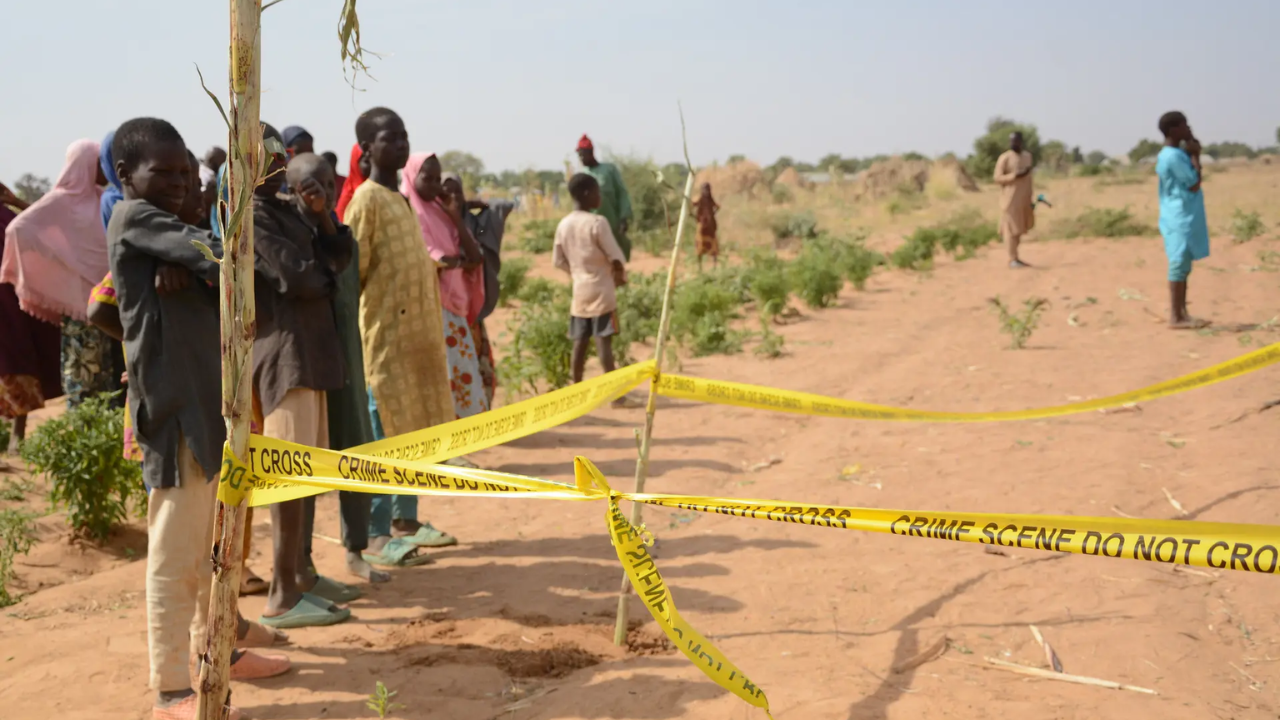
MINNA, Nigeria – A devastating attack by gunmen on Kasuwan-Daji village in Nigeria’s Niger State has left at least 30 people dead and several others abducted, underscoring the persistent threat of violence in the country’s northern region. The assault, which occurred on Saturday evening, also saw widespread destruction of property, with homes and a local market set ablaze. As reports of delayed security response emerge, the incident has reignited concerns over the Nigerian government’s ability to curb escalating banditry and terrorism.
According to local authorities and police statements, the gunmen stormed Kasuwan-Daji, located in the Borgu local government area of Niger State, on Saturday evening, opening fire on residents and looting goods. The attackers kidnapped an undisclosed number of villagers, adding to the growing tally of abductions that have plagued the region in recent years. “The bandits operated with impunity, burning houses and the market while carting away valuables,” a police spokesperson confirmed, as reported by The Times of India. Residents, however, have expressed frustration over the lack of immediate security intervention, with some suggesting the death toll could be higher than officially reported.
The attack is the latest in a series of violent incidents attributed to armed groups often referred to as “bandits” in northern Nigeria. These groups, which frequently operate with sophisticated weaponry, have been responsible for mass killings, kidnappings, and destruction of communities, particularly in states like Niger, Kaduna, and Zamfara. While the motives behind the Kasuwan-Daji attack remain unclear, such incidents are often linked to disputes over resources, ethnic tensions, or simply criminal intent.
Posts on X from local sources and observers reflect the growing despair among Nigerians over the recurring violence. Several users noted the absence of security forces during the attack, with one verified account stating that despite police claims of deployment, no assistance had arrived hours after the incident. Another post highlighted the scale of destruction in Kasuwan-Daji, describing the community as “left in ruins” after the attackers burned homes and shops. These sentiments echo the broader public frustration with the government’s handling of insecurity in the region.
Background: A Region Under Siege
Northern Nigeria has long been a hotspot for violence, grappling with multiple security challenges ranging from the Boko Haram insurgency in the northeast to rampant banditry in the northwest and north-central regions. Niger State, despite not being as heavily affected by Boko Haram as neighboring states, has seen a sharp rise in attacks by armed gangs over the past decade. These groups often target rural communities, exploiting the vast, ungoverned spaces and the limited presence of security forces.
The Nigerian government has deployed military operations and established joint task forces to combat these threats, but results have been mixed. Analysts point to systemic issues such as underfunding of security agencies, corruption, and poor coordination between federal and state authorities as key obstacles. Additionally, the proliferation of small arms and the socioeconomic conditions driving recruitment into criminal groups—poverty, unemployment, and lack of education—continue to fuel the cycle of violence.
In recent years, kidnappings for ransom have become a particularly lucrative enterprise for bandits, with thousands of Nigerians, including schoolchildren, abducted in mass operations. The Kasuwan-Daji attack follows this grim pattern, as abductees are often held for weeks or months until families or communities can pay hefty ransoms, if they are released at all.
Outlook: Calls for Urgent Action
As the community of Kasuwan-Daji mourns its dead and grapples with the aftermath of the attack, pressure is mounting on the Nigerian government to address the root causes of insecurity. Local leaders have called for increased security presence in vulnerable areas, while human rights organizations urge a comprehensive approach that combines military action with social and economic reforms.
The delayed response to the Kasuwan-Daji attack has also sparked debates over the effectiveness of current security strategies. With national elections on the horizon and public trust in authorities waning, the incident serves as a stark reminder of the urgent need for actionable solutions to protect Nigeria’s most vulnerable populations.
For now, the people of Kasuwan-Daji and countless other communities in northern Nigeria remain on edge, hoping for respite from a conflict that shows no signs of abating. As one resident told reporters, “We live in fear every day. If the government cannot protect us, who will?”
Track this story live
Live World Map
Monitor global events in real time with a live activity map and hotspot summaries.
Global Conflict Map
Follow active conflict zones, strike activity, and emerging geopolitical hotspots.
Current Wars
Track all active wars and armed conflicts happening in the world right now.
Iran War
Track the Iran war in real time with proxy network monitoring, Strait of Hormuz risk, and market impact.
Original Sources
- •
- •Gunmen raid village in northern Nigeria, killing over 30 people and abducting others— The Washington Post
Editorial process: This article was synthesized from the original sources cited above using The World Now's AI editorial system, with byline accountability from our editorial team. We grade every story for source grounding, factual coherence, and on-topic match before publication. Read more about our editorial standards and contributors. Spot something inaccurate? Let us know.
Last updated: January 16, 2026