
Cyprus Drone Strikes: Humanitarian Crisis and Global Implications - 3/11/2026
Cyprus is facing a severe humanitarian crisis due to recent drone strikes on British Sovereign Base Areas (SBAs), displacing over 2,000 residents and overwhelming local services. As tensions escalate in the region, this article examines the human cost, including mental health impacts and refugee strains, while highlighting the need for urgent international aid.
Current Situation
As of 3/11/2026, Cyprus remains on high alert after drone strikes near Akrotiri and Dhekelia SBAs. These attacks, linked to proxy conflicts, have displaced over 2,000 people, with hospitals in Limassol and Larnaca reporting a 40% surge in emergency cases for injuries and anxiety. Schools have closed, affecting 5,000 children, and local NGOs like the Cyprus Red Cross are struggling amid security lockdowns. Economic inequalities exacerbate the crisis, particularly for low-income families and existing refugees, leading to a 300% spike in mental health hotline calls.
Recent Developments and Analysis
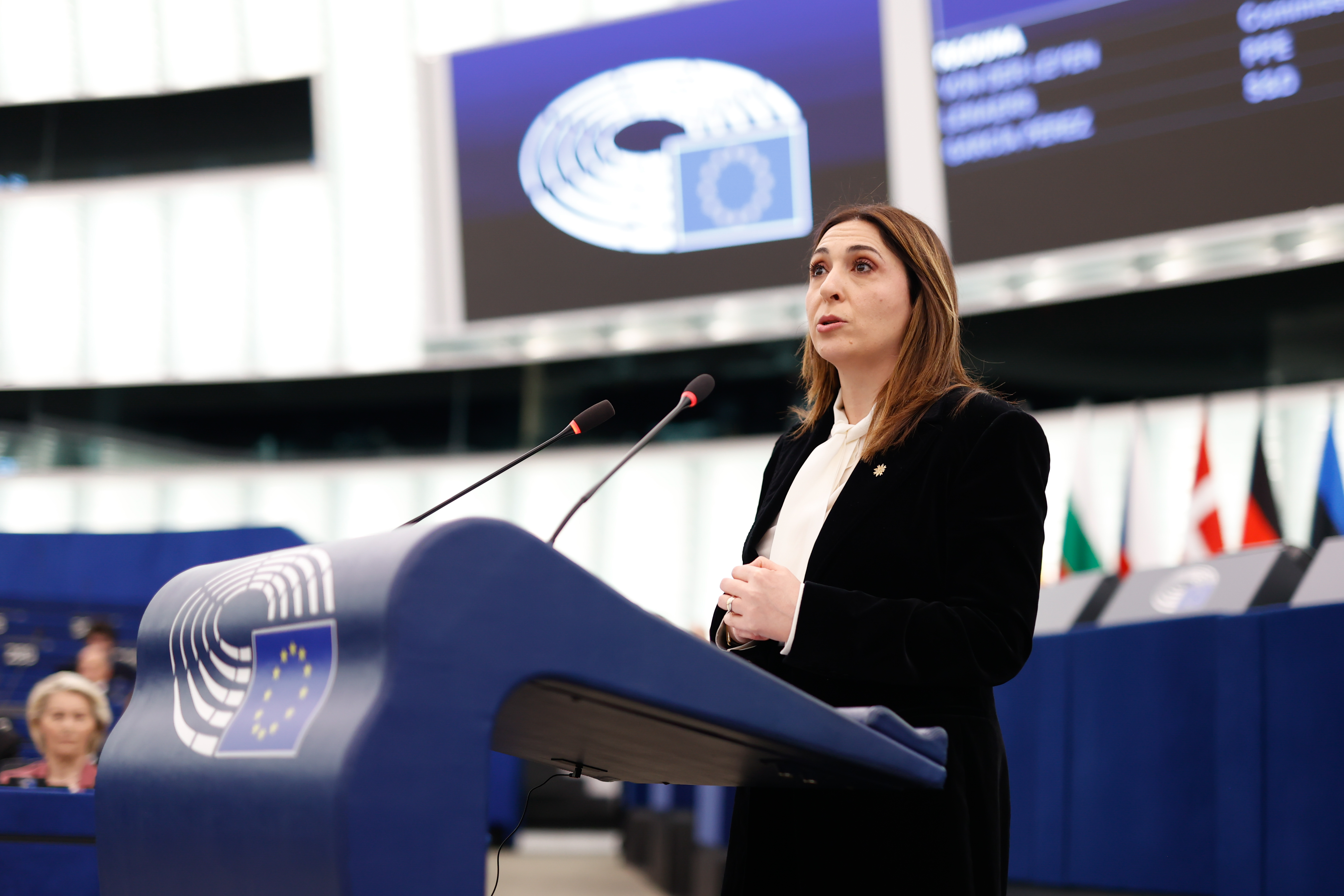
Recent events include a 3/9/2026 strike on Akrotiri, causing evacuations and protests in Nicosia, with EU MEPs labeling it as 'war on European soil.' Analysis reveals these strikes as part of a broader escalation from global conflicts, amplifying distrust of foreign bases and worsening humanitarian strains. Grassroots efforts, like 'Cyprus Peace Nets,' show community resilience, but risks of social unrest persist if aid delays continue.
Looking Ahead
If strikes escalate, displacement could reach 10,000, potentially triggering migration to Greece or Turkey. Opportunities for diplomacy, such as EU aid and enhanced defenses, could stabilize the situation. Watch for EU Parliament votes on 3/15/2026 and global responses to prevent further crises and build resilience.
Sources: Cyprus Mail, UNHCR Report, EU Parliament Briefing, and social media posts from @CyprusReliefNGO and @NicosiaResident.