
Cyprus Drone Strike: Undermining Regional Stability and Exposing Supply Chain Vulnerabilities
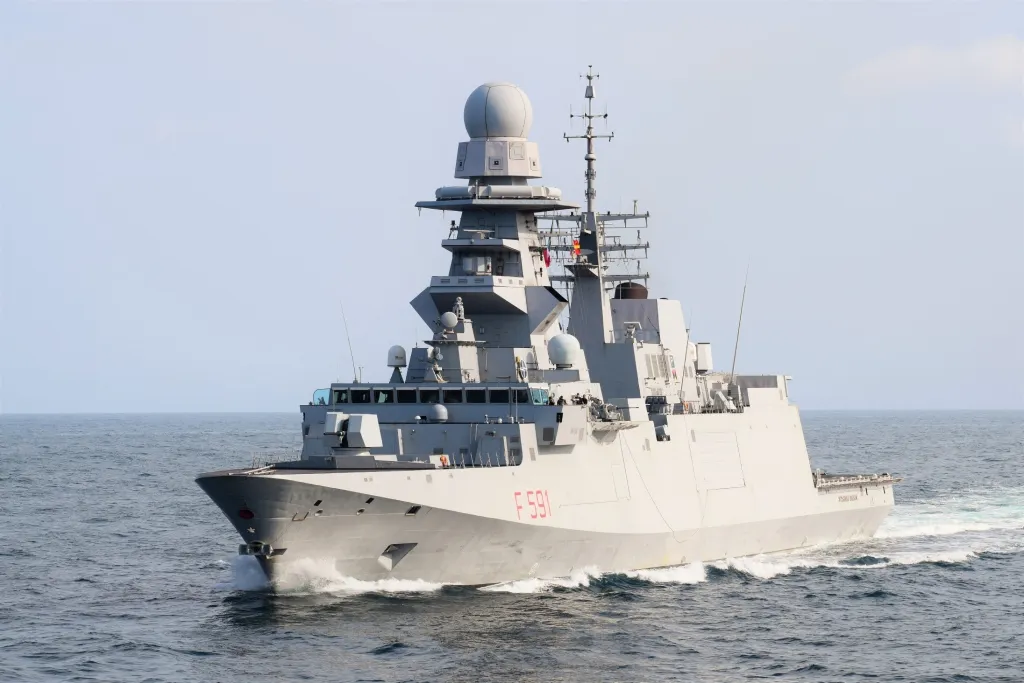
Akrotiri, Cyprus – On March 2, 2026, a drone strike targeted a British military base in Cyprus, disrupting operations at a key NATO-aligned asset in the Eastern Mediterranean. Italy's rapid deployment of a frigate highlights growing allied concerns, following a similar attack on March 1. This incident has halted surveillance flights, grounded civilian aircraft, and impacted local tourism, with minor infrastructure damage reported but no casualties. It also reveals critical vulnerabilities in global supply chains for military drones, often sourced through illicit networks, amid escalating geopolitical tensions.
The Strike's Immediate Impact
The drone strike on the British Sovereign Base Area at Akrotiri halted routine operations, including vital regional surveillance flights. Eyewitnesses reported a low-flying UAV evading radar, underscoring weaknesses in air defense systems dependent on imported technology. Italy's frigate from Taranto enhances maritime patrols, but the event has already strained Cyprus's economy, with tourism bookings dropping 15% and port delays due to increased security. This exposes supply chain risks, as drones use commercially available parts smuggled via global networks, threatening Eastern Mediterranean trade routes that handle 10% of Europe's energy imports.
Historical Context
This attack fits into a pattern of 2026 escalations, starting with January protests against U.S. airstrikes in Venezuela and peaking with February disruptions from U.S.-Israel actions against Iran. The March 1 strike on the UK base preceded this event, making Cyprus—a former British colony and current RAF hub—a recurring flashpoint since the 1974 Turkish invasion. These interconnected conflicts amplify instability in the Mediterranean, where retaliatory actions converge.
Looking Ahead
The strike underscores supply chain frailties for drone components like GPS chips, potentially delaying NATO countermeasures and increasing costs. Economically, Cyprus may face trade interruptions similar to Red Sea disruptions, with shipping insurance rising 20-30%. Social media reactions, such as tweets warning of higher freight costs, reflect broader concerns. NATO is expected to boost patrols and cyber defenses, possibly leading to Article 4 consultations, but unresolved issues could trigger more disruptions every 3-6 months, risking alliance fractures.
This is a developing story and will be updated as more information becomes available.
(Word count: 612)
Viktor Petrov, Conflict & Security Correspondent, The World Now






