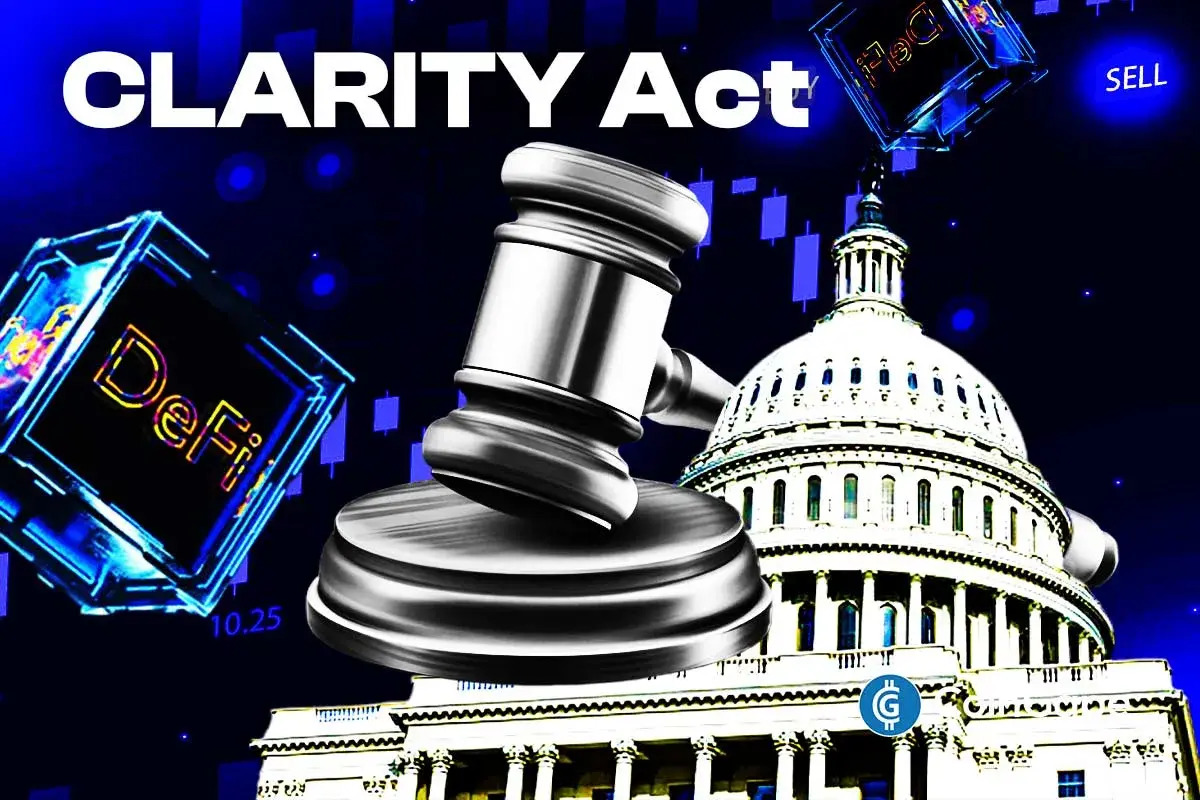
Crypto Markets Under Pressure After Market Structure Bill Cancellation, Privacy Coins Defy Slump

Latest from X
Crypto Markets Under Pressure After Market Structure Bill Cancellation, Privacy Coins Defy Slump
Overview of Current Market Dynamics
The cryptocurrency market is navigating a turbulent start to 2026, marked by the abrupt cancellation of the anticipated U.S. Crypto Market Structure Bill. This development has exerted downward pressure on leading assets like Bitcoin, Ethereum, Dogecoin, and Cardano, while privacy-focused coins such as Monero, Dash, and Dusk have shown resilience. Institutional inflows into digital asset funds reached $2.17 billion last week—the highest in three months—offering a counterbalance to the overall market decline. Regulatory uncertainties, including a major laundering probe in South Korea and limbo surrounding Trump-era meme coin policies, underscore the sector's fragile balance between innovation and scrutiny.
Market Overview and Key Trends
Major cryptocurrencies are facing significant selling pressure early in the week, with Bitcoin, Ethereum, Dogecoin, and Cardano among the hardest hit. This downturn contrasts sharply with pockets of strength in privacy coins, which have gained ground despite broader market weakness. Institutional interest remains robust, as evidenced by substantial inflows into digital asset funds, signaling confidence from traditional finance players even as retail sentiment sours. Ethereum's infrastructure shows signs of maturation, with record transaction volumes coinciding with lower fees and improved network conditions, potentially stabilizing altcoin ecosystems. Meanwhile, comparisons to gold highlight Bitcoin's evolving role as a store of value, though macroeconomic headwinds like interest rate expectations and geopolitical tensions are amplifying volatility across the board.
Top Stories Impacting the Crypto Landscape
-
Crypto Market Structure Bill Cancellation Sparks Stock Volatility: The sudden cancellation of the U.S. Crypto Market Structure Bill, which was expected to provide long-awaited regulatory clarity on digital assets, has rippled through related equities. Stocks like MicroStrategy (MSTR), Coinbase (COIN), Circle (CRCL), Bitmine (BMNR), and even Tesla (TSLA) are in focus as investors reassess exposure. The bill's demise removes a potential catalyst for mainstream adoption, leaving market participants bracing for prolonged uncertainty.
-
Major Coins Under Pressure Amid Multiple Headwinds: Bitcoin, Ethereum, Dogecoin, and Cardano are experiencing sharp declines due to a confluence of factors, including profit-taking after year-end rallies, macroeconomic concerns such as persistent inflation signals, and reduced hype around meme-driven narratives. This pressure reflects a broader risk-off sentiment in global markets, where cryptocurrencies are increasingly correlated with tech stocks and traditional risk assets.
-
Privacy Coins Buck the Trend: In defiance of the market slump, privacy-oriented tokens like Monero (XMR), Dash (DASH), and Dusk (DUSK) have posted gains. Their resilience may stem from heightened interest in anonymous transactions amid rising regulatory scrutiny on illicit finance, though this performance also invites questions about underlying demand drivers.
-
Record Inflows into Digital Asset Funds: Despite price weakness, digital asset investment products attracted $2.17 billion last week, the strongest weekly figure in three months. This influx, primarily into Bitcoin and Ethereum ETFs, indicates that institutional investors are viewing current dips as accumulation opportunities rather than systemic red flags.
Regulatory Landscape and Its Implications
Regulatory developments are casting long shadows over the market. The cancellation of the Crypto Market Structure Bill eliminates a key framework that could have classified digital assets more clearly, distinguishing between securities and commodities—a move that proponents argued would foster innovation while protecting investors. Its failure leaves the U.S. in a patchwork regulatory environment, with the SEC and CFTC potentially at odds.
Internationally, South Korean customs authorities uncovered a $102 million cryptocurrency laundering scheme, highlighting ongoing vulnerabilities in cross-border money flows. This bust, involving multiple exchanges and mixers, reinforces global crackdowns on illicit use and could pressure platforms to enhance compliance measures.
Trump-era meme coins, which surged during the 2025 U.S. election cycle, now face policy ambiguity after a year of hype. Initial promises of crypto-friendly reforms have stalled, leaving the sector in limbo as new administrations grapple with balancing deregulation and consumer protection. Posts found on X from Ethereum co-founder Vitalik Buterin emphasize a push for greater self-sovereignty in 2026, indirectly critiquing centralized policy dependencies.
Technical Developments and Future Outlook
Ethereum's network is demonstrating maturity with record usage levels reported on January 19, even as transaction costs have dropped and congestion eased. This improvement stems from recent upgrades, including increased gas limits, higher blob counts for data availability, and breakthroughs in zkEVM performance. Posts found on X from Vitalik Buterin highlight 2025 achievements like PeerDAS and zkEVM milestones, positioning Ethereum for easier full-node operation and enhanced trustlessness via ZK proofs and binary availability layers (BAL).
Buterin has also called for "different and better" DAOs, advocating structures that prioritize efficiency and decentralization over traditional governance models. This comes amid Ethereum's push to reclaim ground in self-sovereignty, with local node verification becoming more accessible. These technical strides could alleviate scalability bottlenecks that have plagued layer-1 activity.
Looking Ahead: What This Means for Investors
The current market dynamics reveal a sector at a crossroads, where regulatory setbacks like the bill cancellation exacerbate short-term pressures on majors while underscoring structural shifts. Historically, legislative delays—such as those following the 2022 FTX collapse or 2024 ETF approvals—have led to 20-40% corrections, as seen in prior cycles. The bill's axing revives fears of overreach, prompting capital flight from high-beta assets like Dogecoin and Cardano, which lack Bitcoin's scarcity narrative or Ethereum's utility.
Privacy coins' outperformance is noteworthy against this backdrop. Monero, Dash, and Dusk thrive on privacy primitives like ring signatures and zk-SNARKs, appealing in an era of intensified anti-money laundering (AML) enforcement. The South Korean laundering case, involving over $100 million, inadvertently spotlights these assets' utility for obfuscation, potentially driving niche demand even as regulators intensify delistings on major exchanges.
Institutional inflows provide critical support, mirroring patterns from late 2025 when $1-2 billion weekly hauls preceded recoveries. Ethereum's technical resilience—record usage with sub-$1 fees—signals layer-2 ecosystems maturing, reducing reliance on base-layer congestion. Gold-Bitcoin comparisons add context: Bitcoin's 2025 outperformance versus gold (amid fiat debasement concerns) positions it as "digital gold," but 2026 volatility hinges on U.S. debt trajectories and halvings' lagged effects.
Broader sentiment on platforms like X reflects optimism around Ethereum's roadmap, with discussions of zkEVMs and DAOs pointing to a narrative pivot toward utility over speculation. Trump's meme coin saga illustrates hype cycles' fleeting nature: post-election pumps faded without policy delivery, dragging altcoin liquidity.
What to watch next includes three major events this week: a potential Federal Reserve policy signal on rates, Ethereum's upcoming PeerDAS activation testnet, and U.S. congressional hearings on crypto custody rules. These could either catalyze a rebound—via dovish Fed rhetoric bolstering risk assets—or deepen the slump if regulatory rhetoric hardens. Privacy coin scrutiny may intensify post-South Korea, while DAO evolutions could redefine governance in DeFi. In this environment, the market's bifurcation—majors lagging, niches leading—suggests a rotation toward fundamentals amid fading retail euphoria.
(Word count: 1,248)
Crypto analysis
How this ties into market intelligence
This format connects the article narrative back to Catalyst and the markets hub, so readers can move from headline context into asset-level implications and live pricing signals.
Market focus
Global
Best next step
Read the full analysis below for context, sources, and what to watch next.
Original Sources
- •
- •
- •
- •
- •Jan 19, 2026— decrypt
- •Jan 19, 2026— decrypt
- •Jan 19, 2026— decrypt
- •Jan 19, 2026— decrypt
- •Jan 19, 2026— decrypt
- •
Editorial process: This article was synthesized from the original sources cited above using The World Now's AI editorial system, with byline accountability from our editorial team. We grade every story for source grounding, factual coherence, and on-topic match before publication. Read more about our editorial standards and contributors. Spot something inaccurate? Let us know.
Last updated: March 10, 2026