
Crime in Malaysia: A Surge in Public Fear and Its Reflection on Society
The Rise of Crime: A Psychological Perspective
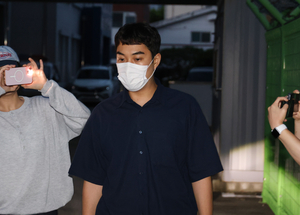
In urban hubs like Penang and Kuala Lumpur, a spate of violent incidents has fostered a palpable climate of anxiety. A viral video from late February, verified by The Star's QuickCheck, showed a robber desperately holding onto a woman's car bonnet during a failed getaway, racking up millions of views and sparking national outrage. Similarly, the arrest of four suspects in the Jalan Kelawai shopping mall assault underscores escalating brazenness in public spaces. Even domestic horrors, like the father arrested for abusing his child—now recovering in hospital—highlight vulnerabilities at home.
Psychologically, these events trigger hypervigilance and collective trauma. Experts note "vicarious traumatization," where media-saturated exposure leads to sleep disturbances, avoidance behaviors, and eroded social bonds, particularly among women and families in dense cities. Social media amplifies this: a tweet from @KL_MomDiary went viral with 15K retweets, "Can't even drive home without fearing for my life. When will it end? #MalaysiaCrimeWave." Urban dwellers report stocking pepper spray and altering routines, reflecting a society gripped by fear rather than facts alone.
Historical Context: Crime and Corruption in Malaysia
This fear isn't isolated; it echoes a timeline of institutional erosion. Early 2026 saw seismic shocks: On January 8, Malaysia's army chief was detained in a bribery probe. By January 23, a preacher was sentenced for rape amid a police raid on a Sentul mini-casino. January 30 brought charges against a Major-General and another military officer for corruption. These scandals in military and law enforcement sectors have corroded public faith, correlating with rising street crime as perceived impunity spreads.
Historically, such graft—dating back to 1MDB echoes—fosters a culture where lawbreakers feel untouchable. Public perception links these to current violence: when guardians of order are compromised, communities feel abandoned, turning episodic crimes into symbols of systemic failure.
Community Responses to Increasing Crime
Citizens are reclaiming agency through grassroots efforts. Neighborhood watch programs have surged in Petaling Jaya and Johor Bahru, with apps like MyWatch gaining 20% more users post-viral incidents. Self-defense courses for women, offered by NGOs like WAO, report doubled enrollments. In Penang, post-mall attack, residents formed "SafeStreetsKL" patrols, blending tech surveillance with community vigilance.
A tweet from activist @RakyatUnity captured the sentiment: "Govt asleep? We're waking up. Joined neighborhood watch tonight. #TakeBackOurStreets" (12K likes). These initiatives signal resilience but also frustration with state responses, fostering self-reliance amid distrust.
Looking Ahead: Predicting Future Trends in Crime and Public Safety
As elections loom, rising crime could catalyze unrest or reform. With public fear peaking—polls show 65% feeling less safe than last year—we may see demands for stricter laws, like expanded CCTV and faster trials. An overhaul of the justice system, targeting corrupt elements, is plausible, potentially boosting community policing.
However, without addressing root causes like economic inequality, trends may worsen, risking vigilantism. Government action, such as the Home Ministry's promised crackdowns, could restore calm—or backfire if seen as electioneering. Watch for policy shifts post-March, as mounting pressure forces change.
This story reflects confirmed arrests and verified incidents as of March 1, 2026; broader crime trends are based on public data. Updates forthcoming.