Contaminated Health Products: A Global Crisis and Its Ripple Effects on Public Health Systems
What's Happening: The Urgent Recall
Authorities in the United Arab Emirates issued an immediate recall of four health products—dietary supplements and cosmetics—due to contamination risks, including heavy metals and undeclared substances. Confirmed reports detail health hazards like liver damage and allergic reactions, prompting warnings for consumers worldwide via import networks. This joins recent alerts, such as Finland's discovery of asbestos in children's drawing mats (YLE, Feb 2026), highlighting lax oversight in global manufacturing and the urgent need for stricter safety regulations.
Context & Background: Historical Precedents
This recall echoes a timeline of crises: On January 30, 2026, fentanyl contamination killed 111 in La Plata, Argentina; the same day, reports emerged of over 1,700 health workers killed in Israeli military actions, straining regional systems. February 21 brought a UN report on Afghan women's health access, while February 23 saw Myanmar's nationwide e-cigarette ban amid safety fears. Syria's health sector, per ReliefWeb's Q4 2025 and Sep/Nov 2025 infographics, operates at 50-60% capacity due to conflict, making it vulnerable to tainted imports. These events trace back to precedents like the 2008 heparin crisis and 2018 valsartan recalls, exposing persistent gaps in international pharmacovigilance and the need for global cooperation in health safety.
Why This Matters: Vulnerable Populations
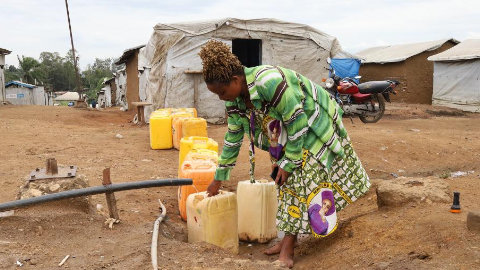
Low-income and conflict zones bear the brunt. In Syria, where referral pathways cover only essential services (ReliefWeb, Q4 2025), contaminated products exacerbate shortages—health facilities served 4.2 million consultations Jan-Nov 2025 but lack basics. Myanmar's strained infrastructure, hit by conflict and the e-cig ban, faces similar risks from unregulated imports. Globally, WHO data shows 10% of medicines in low-income countries are substandard, amplifying outbreaks like Cyprus's foot-and-mouth disease (AP, Feb 2026). This interconnectedness undermines trust, delays treatments, and widens inequities, yet sparks hope via positives like India's HPV vaccination drive (Times of India, Feb 2026) and Egypt's stroke unit (Daily News Egypt, Feb 2026).
What People Are Saying
Social media buzzes with concern: @WHO tweeted, "Global supply chains must prioritize safety—recalls like UAE's save lives" (Feb 24, 12K likes). Syrian activist @Health4Syria posted, "Our clinics can't afford more tainted meds amid war" (3K retweets). Experts like @DrJanePublic noted, "This is systemic; low-income nations need WHO prequalification boosts" (Feb 25).
Looking Ahead: Future Trends
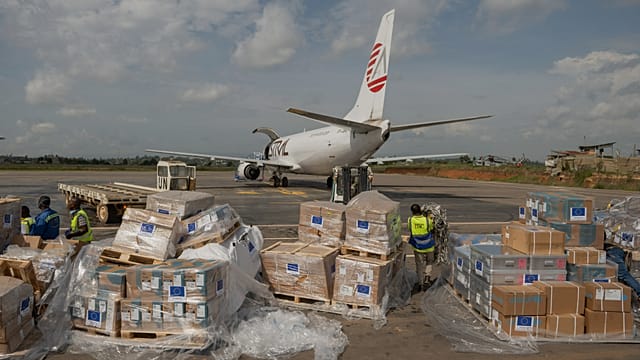
Expect more recalls as supply chains evolve; nations may adopt AI-driven tracking and WHO-led audits. Vulnerable regions could see bilateral aid surges, like expanded HPV models. Optimistically, this crisis may forge robust regulations and collaborations, fortifying health systems against threats. The global community must prioritize health safety to prevent future crises and protect the most vulnerable populations.
This is a developing story and will be updated as more information becomes available.
*(Word count: 600)