Conflict in Lebanon displaces 129,724 people across 635 shelters
In the midst of conflict lebanon, Israeli forces crossed the Litani River in southern Lebanon as hostilities continued despite a ceasefire extension announcement. Airstrikes and displacement orders affected at least 40 new localities in southern Lebanon, according to reports covering events as of 25 May 2026. These developments occurred alongside sustained projectile activity and population movements that have strained available resources.
Military developments
Israeli forces crossed the Litani River in southern Lebanon, as stated by Prime Minister Netanyahu, who indicated the army would address Hezbollah’s drone threat. This crossing took place amid ongoing operations in the region. UNIFIL documented the movement as part of broader escalation patterns. The same reports noted 670 projectiles fired on Wednesday, representing the highest level since 17 April. [3] [4]
Hostilities and ceasefire status
Hostilities continued despite the ceasefire extension announcement, with airstrikes and displacement orders affecting at least 40 new localities in southern Lebanon. UNIFIL reports hundreds of thousands displaced amid Israeli ceasefire violations. These violations persisted even after the announced extension, contributing to further instability across affected areas. [2] [4]

Map of southern Lebanon showing displacement and escalation of hostilities as of May 2026. — Source: reliefweb
Displacement figures
A total of 33,897 families, or 129,724 people, remain displaced across 635 collective shelters. Close to 52 per cent of displaced people in collective shelters are women and girls. UNIFIL reports hundreds of thousands displaced amid Israeli ceasefire violations, underscoring the scale of movement triggered by the conflict lebanon. These shelter numbers reflect the immediate response to orders affecting at least 40 new localities. [2] [4]
Humanitarian consequences
Three months after the escalation, IFRC warns of worsening silent humanitarian crises affecting health systems, food security and displacements in Lebanon. National social systems and host communities face continued pressure from the mobility impacts described in regional reports. The IFRC assessment highlights long-term consequences for population movement and basic service access. [1] [5]
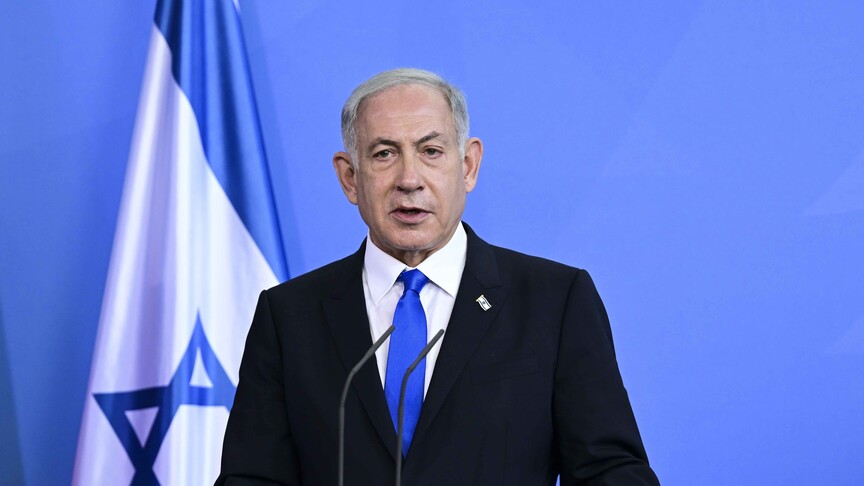
Israeli forces cross the Litani River in southern Lebanon during ongoing conflict. — Source: anadolu
Projectile activity and UNIFIL observations
UNIFIL recorded 670 projectiles fired on Wednesday, the highest level since 17 April, alongside hundreds of thousands displaced amid Israeli ceasefire violations. These figures illustrate the intensity of exchanges that have accompanied the Litani River crossing. The observations align with reports of sustained hostilities that continued after the ceasefire extension. [4]
IFRC assessment three months on
Three months after the escalation, IFRC warns of worsening silent humanitarian crises affecting health systems, food security and displacements in Lebanon. The assessment covers impacts across Lebanon and notes the strain on already fragile contexts. Reports from the period 19–25 May 2026 emphasize how population mobility has been significantly affected by the ongoing situation. [1] [5]
What to watch next: Continued monitoring of displacement across 635 collective shelters and any further changes in projectile activity levels reported by UNIFIL.