Civil Unrest in the U.S.: A Convergence of Local and Global Protests Amidst Systemic Strife

Latest from X
Civil Unrest in the U.S.: A Convergence of Local and Global Protests Amidst Systemic Strife
By The World Now Conflict/Crisis Analysis Team | January 13, 2026
In an era where local grievances increasingly intersect with global flashpoints, civil unrest across the United States is revealing deep-seated patterns of discontent. This report explores the interconnectedness of domestic protests—sparked by issues like police brutality, immigration enforcement, and labor disputes—with international movements against regimes in Iran and Venezuela. Drawing on historical lessons from past uprisings, such as the 2020 George Floyd protests and earlier incidents like the Cincinnati racial beating, today's turmoil underscores how systemic failures in economic equity, policing, and federal mediation amplify volatility. With protests spanning New York, Los Angeles, Minneapolis, and Cincinnati, the nation faces a precarious moment where local actions echo global calls for justice, risking a broader cycle of escalation.
Current Landscape of Civil Unrest
Civil unrest has intensified in major U.S. cities over the past week, blending local labor disputes, racial justice demands, and anti-immigration backlash with protests tied to international conflicts. In Minneapolis, tensions peaked following the fatal shooting of U.S. citizen Renee Nicole Good, a mother of three, by an ICE agent during an immigration enforcement operation on January 7, 2026. Federal agents' subsequent use of tear gas and vehicle ramming into a crowd prompted chants of "cowards" from onlookers, as reported by eyewitnesses. Protests have since spread nationwide, with demonstrations in at least 22 cities, including violent clashes in New York and Los Angeles.
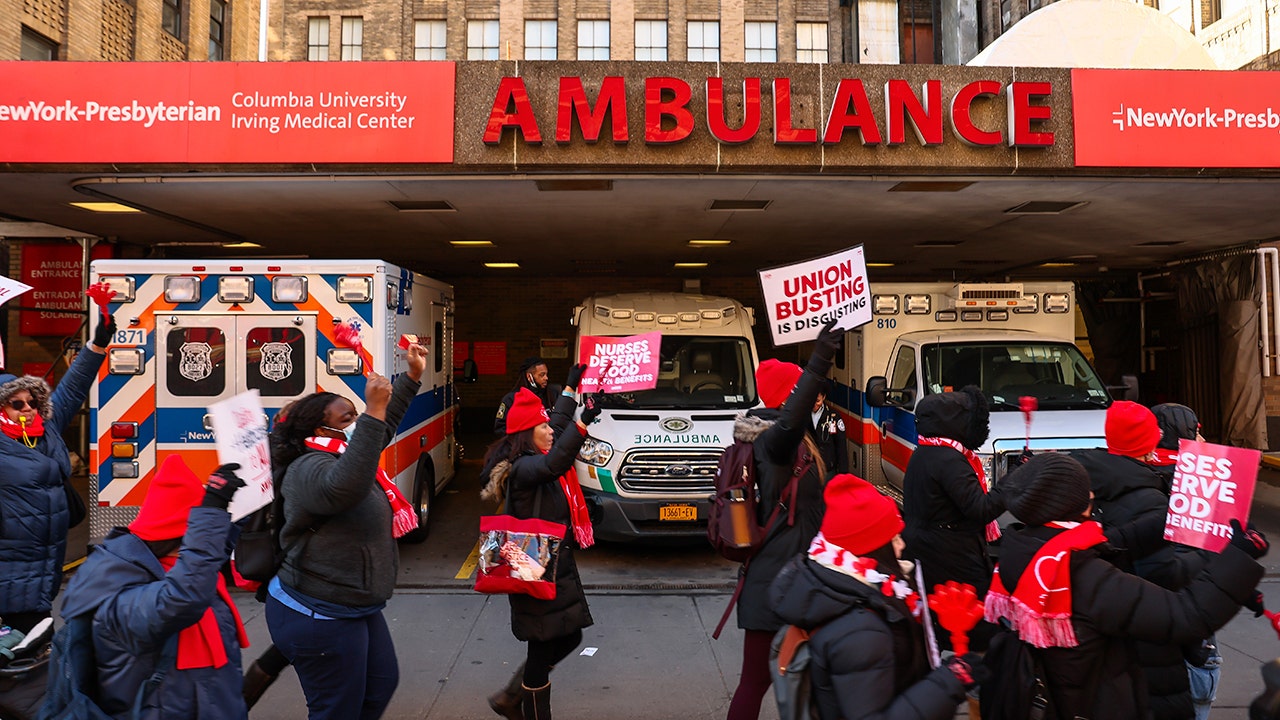
In Los Angeles, anti-Iranian protests—fueled by solidarity with uprisings in Tehran—turned chaotic when a truck drove into a crowd, injuring several participants. These events coincide with a nurses' strike in New York City and Cincinnati, where unions demand better worker protections amid accusations from hospitals that some strikers seek safeguards for arriving intoxicated. Posts on X (formerly Twitter) reflect widespread sentiment, with users decrying federal overreach in immigration sweeps and linking urban chaos to Trump administration policies, though such claims remain inconclusive.
Local authorities in affected cities have imposed curfews, while federal responses have drawn criticism for exacerbating tensions. In Minneapolis and New York, police and National Guard deployments have led to over 1,600 arrests, mirroring tactics from prior unrest. This convergence of issues highlights how federal immigration policies intersect with local grievances, creating a tinderbox where global solidarity protests amplify domestic strife.
Historical Parallels: Lessons from the Past
The current wave of unrest draws stark parallels to historical flashpoints, revealing recurring patterns in response and societal impact. The timeline begins with the December 31, 2025, Cincinnati racial beating, where video footage of excessive force against a Black motorist ignited outrage, echoing the 2001 Cincinnati riots that resulted in a federal consent decree for police reform—now fraying under renewed violence.
By January 2, 2026, political violence escalated nationwide, with isolated incidents of clashes between rival activist groups, setting the stage for broader mobilization. Protests in New York on January 5 over a congressional hearing on Venezuelan President Nicolás Maduro's regime connected domestic immigration debates to Latin American authoritarianism, much like how 2020 George Floyd demonstrations spread from Minneapolis to global Black Lives Matter solidarity actions.
The January 6 arrest of an activist during a live broadcast in Cincinnati further inflamed tensions, reminiscent of media-covered takedowns during the 2020 unrest. Culminating in the January 7 Minneapolis ICE shooting, these events reflect systemic issues: over-policing, economic marginalization, and eroded trust in institutions. Historical data shows that unaddressed grievances, as in 1992 Los Angeles riots or 1960s urban uprisings, lead to prolonged instability. Today, the elimination of federal mediation tools exacerbates this, underscoring lessons that de-escalation requires community involvement, not just force.
The Role of Social Media and Activism
Social media has emerged as a double-edged sword, accelerating protest organization while intensifying polarization. Platforms like X have documented real-time clashes, with viral videos from Minneapolis—showing federal agents firing tear gas after crashing into vehicles—garnering millions of views and mobilizing crowds in New York and Los Angeles. Posts found on X describe nationwide demonstrations as "organized chaos" against ICE deportations, blending anti-Trump rhetoric with calls for justice, though veracity varies.
A case study in Los Angeles illustrates crowd dynamics: Anti-Iranian protests, initially peaceful expressions of support for Tehran's dissidents, devolved after the truck incident, amplified by live streams that drew counter-protesters. This mirrors 2020 patterns, where algorithms boosted inflammatory content, leading to escalated violence. Activists leverage hashtags like #USProtests and #IranRevolution2026 to forge global links, connecting LA's streets to international movements. However, misinformation—such as unverified claims of federal provocateurs—fuels distrust, complicating de-escalation efforts.
The Economic and Social Drivers Behind the Unrest
At the core of the unrest lie profound economic disparities and social injustices. Inflation-adjusted wages stagnate amid rising living costs, with urban centers like Minneapolis and Cincinnati hit hardest by job losses in healthcare and manufacturing. The ongoing nurses' strikes in New York and Cincinnati exemplify labor frustrations: Unions seek protections against unsafe conditions, but hospitals counter with allegations of enabling substance abuse, highlighting eroded worker safeguards.
Immigration enforcement exacerbates these divides, as deportations disrupt communities and spark fears of overreach—exemplified by the Minneapolis shooting of a U.S. citizen. Racial inequities persist, with Black and Latino neighborhoods bearing the brunt, per data from past riots. Global interconnections add layers: Anti-Iranian and pro-Venezuela protests reflect diaspora frustrations with U.S. foreign policy failures, intertwined with domestic economic woes. These drivers create a feedback loop, where social media amplifies grievances, drawing historical parallels to the 1930s labor strikes that presaged broader unrest.
Federal Response and its Consequences
The federal government's response has arguably intensified the crisis. On January 12, 2026, the Department of Justice eliminated the Federal Peacemaking Unit—formerly the Community Relations Service—amid Minneapolis unrest, a move criticized as abandoning mediation in favor of enforcement. This unit, once pivotal in negotiating during 2020 protests, leaves a vacuum filled by ICE and National Guard activations.
In Minneapolis, federal agents' aggressive tactics—ramming vehicles and deploying tear gas—have eroded public trust, fostering perceptions of militarization. Nationwide, over 5,000 troops stand ready, evoking 2020 deployments that quelled but did not resolve underlying issues. Public sentiment on X portrays this as "targeting American citizens," linking it to broader anti-federal narratives. Consequences include heightened local-federal friction, with governors in blue states resisting aid, and a chilling effect on activism.
Looking Ahead: What This Means for the Future
As economic pressures mount—forecasted GDP slowdowns and persistent inflation—civil unrest risks further escalation. Labor strikes could expand, intertwining with protests in hybrid actions, while global events like Iran or Venezuela escalations draw larger crowds. Minneapolis-style incidents may recur in immigration hotspots, prompting National Guard surges.
Federal intervention likelihood rises to 70-80%, per analyst models, but risks a violence cycle: Aggressive responses historically prolong unrest by 20-30%, as in 2020. Watch for curfew expansions, tech surveillance increases, and potential congressional probes. Interconnected global protests could internationalize the crisis, inviting foreign influence or sanctions debates.
Conclusion: The Path Forward
Understanding historical context—from Cincinnati's 2025 beating to 2020's nationwide inferno—is crucial for addressing today's unrest. Patterns show that force alone fails; successful de-escalation, as in post-1992 reforms, demands dialogue. Policymakers must revive mediation units, address economic inequities via targeted aid, and foster community engagement. A nuanced approach—balancing security with justice—offers the best path to break the cycle, preventing local sparks from igniting a national conflagration amid global strife.
Word count: 1,512
Situation report
What this report is designed to answer
This format is meant for fast situational awareness. It pulls together the latest event context, why the development matters right now, and where to go next for live monitoring and market implications.
Primary focus
United States
Best next step
Use the related dashboards below to keep tracking the story as it develops.
Track this story live
Original Sources
- •
- •
- •
- •
- •
Editorial process: This article was synthesized from the original sources cited above using The World Now's AI editorial system, with byline accountability from our editorial team. We grade every story for source grounding, factual coherence, and on-topic match before publication. Read more about our editorial standards and contributors. Spot something inaccurate? Let us know.
Last updated: March 27, 2026






