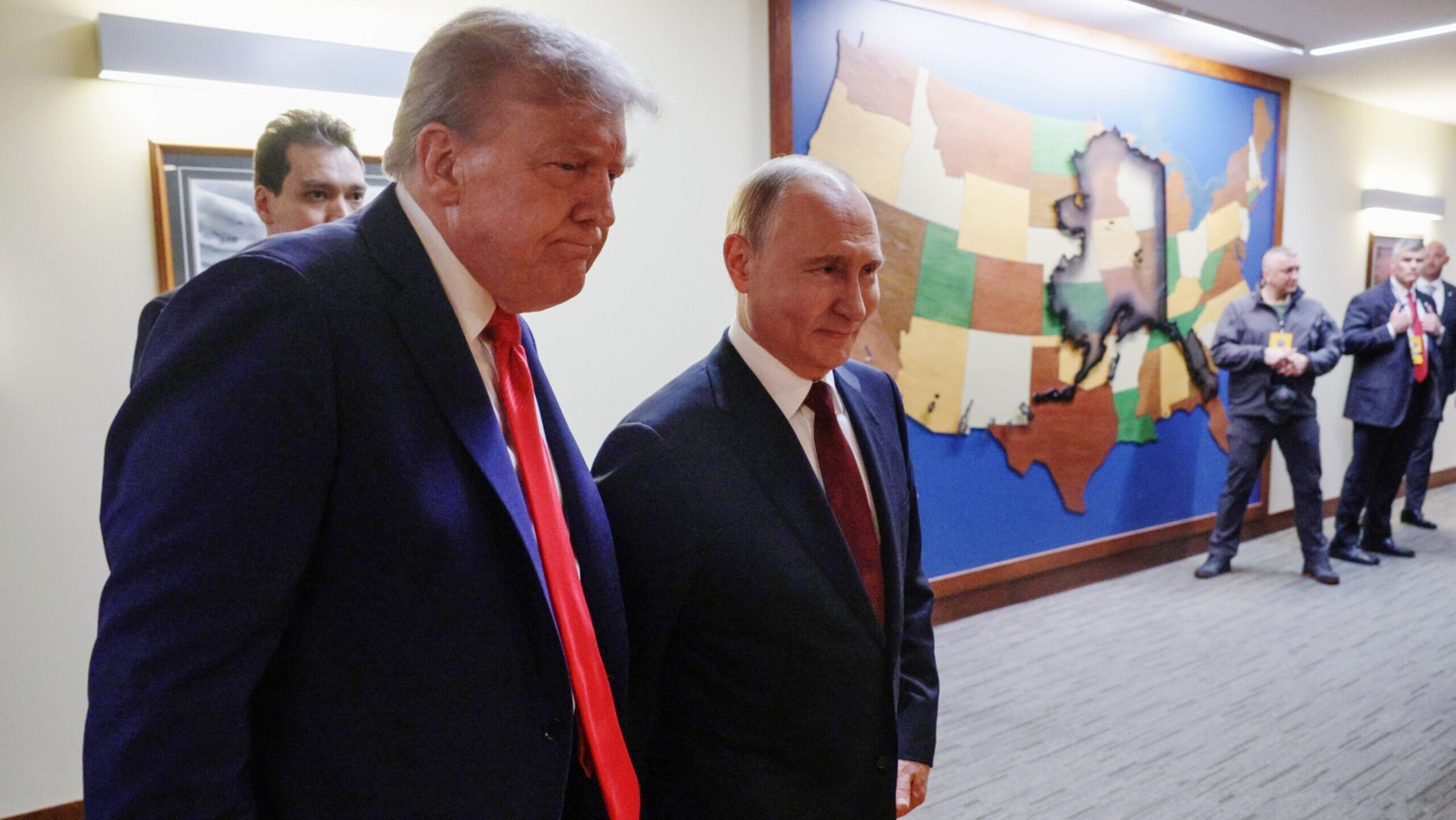

CIA Rejects Putin's Attack Claim Amidst Rising Tensions in Russia
The Central Intelligence Agency (CIA) has categorically dismissed allegations made by Russian President Vladimir Putin regarding a purported Ukrainian attack on his residence. This development comes as Russia claims to have evidence supporting its accusations, further intensifying an already fraught geopolitical landscape.
In a statement released on January 2, 2026, the CIA stated that there is no credible information to support Putin's assertion that the Ukrainian government was involved in an assassination attempt against him. The agency's rejection of these claims highlights the ongoing information warfare between Russia and Ukraine, particularly as the conflict has persisted since February 2022.
Russia's allegations have been bolstered by what it describes as evidence of the attack, which has not been independently verified. The Russian government has been known to utilize such claims to bolster nationalistic sentiments domestically and to portray Ukraine as a persistent aggressor on the international stage. The timing of this accusation is particularly notable, coinciding with a period of heightened tensions as the Russia-Ukraine war continues to drag on with no resolution in sight.
The situation is further complicated by the fact that these claims were reportedly presented to U.S. President Donald Trump. This raises questions about the implications of such a narrative on U.S.-Russia relations, particularly in the context of Trump's administration, which has been marked by fluctuating approaches to Moscow. The presentation of this purported evidence could signal a strategy by Russia to seek greater legitimacy for its actions in Ukraine, framing the conflict in terms of self-defense against alleged assassination attempts.
Experts suggest that accusations like these are part of a broader strategy by the Kremlin to maintain a narrative that portrays the Russian state as under siege. "This is not just about an alleged attack; it's about shaping public perception both domestically and internationally," said Dr. Alexei Ivanov, a geopolitical analyst. "By claiming an assassination attempt, Putin can rally the public around a common cause and justify further military actions."
Background
The Russia-Ukraine war has been ongoing since February 2022, initiated by Russia's annexation of Crimea and its support for separatist movements in eastern Ukraine. This conflict has led to significant military and civilian casualties and has strained Russia's relations with the West. In recent months, both sides have engaged in a series of military escalations, and the international community remains divided on how to address the conflict.
Ukraine, led by President Volodymyr Zelenskyy, has consistently denied any involvement in attacks on Russian leaders, framing the allegations as unfounded provocations. The Ukrainian government has sought to garner international support against what it describes as Russian aggression, particularly in light of the ongoing military operations in the Donbas region.
Conclusion
As the situation develops, the implications of these recent claims by Russia could have far-reaching effects on the geopolitical dynamics in Eastern Europe. The dismissal of Putin's allegations by the CIA indicates a continued skepticism from the West regarding Russian narratives. Moving forward, it remains to be seen how this will impact negotiations and military strategies on both sides as the war continues to evolve.