Cholera Outbreak Declared in Chad Amid Flood Risks
Chad is grappling with a cholera outbreak that was officially declared in July 2025, affecting multiple regions in the country, particularly in the eastern provinces of Ouaddaï and Sila. As of early January 2026, the outbreak has resulted in over 821 suspected cases and a concerning fatality rate of 6.8%. This public health crisis is compounded by the ongoing risks of severe flooding, as Chad is classified as one of the countries most vulnerable to such disasters.
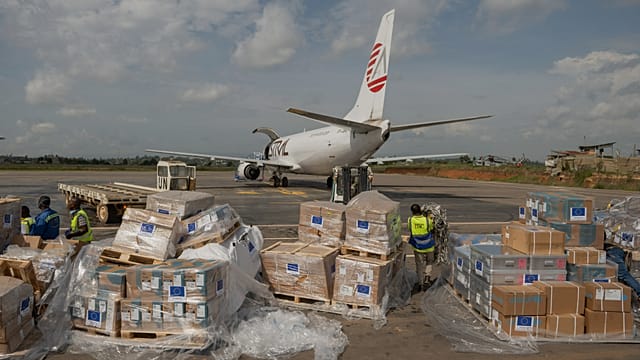
The cholera situation in Chad has escalated since its declaration, with health authorities and international organizations mobilizing resources to curb the spread of the disease. The Global Preparedness Monitoring Board and the UN Office for the Coordination of Humanitarian Affairs have highlighted the urgent need for coordinated efforts to address both the cholera outbreak and the potential flooding risks that threaten the affected populations.
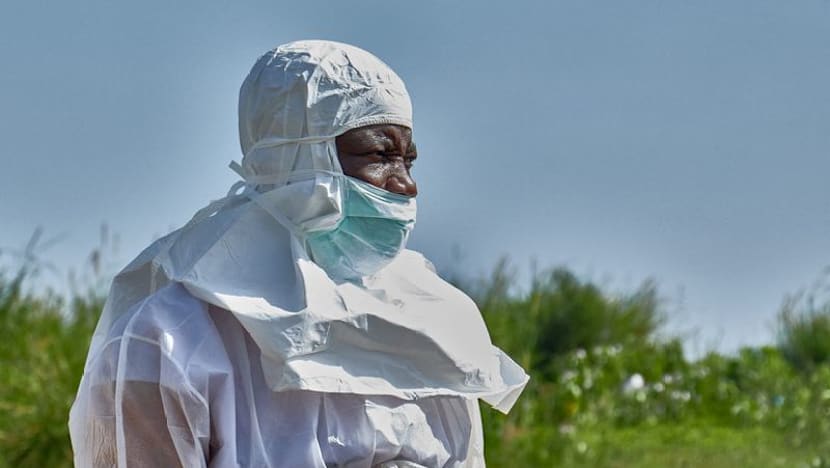
The cholera outbreak has raised significant alarm in the international community, especially as the rainy season approaches, which typically exacerbates waterborne diseases. The government's response has included strengthening surveillance and treatment protocols, alongside public health campaigns aimed at educating communities about prevention methods.
Health officials are also emphasizing the importance of access to clean drinking water and proper sanitation, as these are critical factors in controlling the spread of cholera. The outbreak's fatality rate of 6.8% indicates a severe impact, particularly in a country where healthcare infrastructure is already strained.
In September 2025, prior to the latest developments, relief organizations had already begun preparing for the dual challenges posed by cholera and the anticipated flooding. The humanitarian situation in Chad has been deteriorating, as the country faces multiple crises, including food insecurity and displacement due to ongoing conflicts.
Background
Chad has long been vulnerable to various health crises, exacerbated by poverty, limited healthcare access, and environmental challenges. The cholera outbreak is not the first the country has faced; however, the current situation is particularly dire due to the combination of factors at play.
The eastern provinces of Chad, where the outbreak has been most acute, are known for their limited access to clean water and sanitation facilities, which are essential in preventing cholera transmission. Moreover, the looming threat of flooding could further complicate the delivery of humanitarian assistance and healthcare services in these regions.
As the situation develops, local and international health agencies are on high alert, working to contain the outbreak while also preparing for the potential impacts of flooding. The need for immediate funding and resources is critical to ensure that the population receives the necessary support to navigate this public health emergency.
Conclusion
Chad's cholera outbreak presents a significant public health challenge, with over 821 suspected cases and a high fatality rate. As the country braces for potential flooding, the need for effective response strategies becomes increasingly urgent. Both local authorities and international organizations are focused on curtailing the outbreak and mitigating risks, but the path forward requires sustained efforts and resources to protect vulnerable populations from this dual crisis.