
China's Foreign Minister Calls for US Dialogue Amid Trade Tensions and Economic Reforms
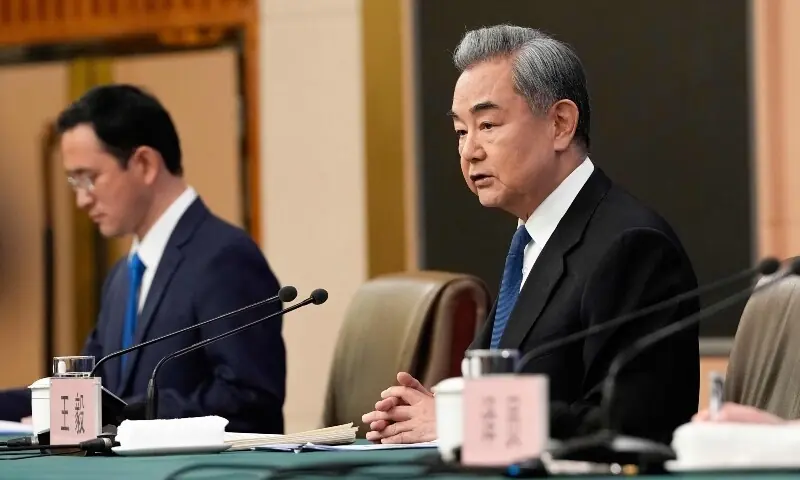
Beijing – Chinese Foreign Minister Wang Yi has urged the US to manage differences through dialogue, amid rising trade frictions and China's ongoing domestic economic adjustments. This appeal highlights Beijing's strategy to stabilize its internal economy while seeking US concessions, offering insights into how monetary easing and infrastructure policies are influencing global trade dynamics.
Key Developments
Wang Yi emphasized the need for 'stable and predictable' US-China relations, stressing cooperation over confrontation and rejecting protectionism. This statement follows recent US tariffs on Chinese AI chips, which have heightened tensions. In response, China eased monetary policy on January 15, 2026, by cutting reserve requirements to boost liquidity, and tightened high-speed rail approvals on January 27, 2026, to address growth concerns. These moves demonstrate China's proactive approach to counter external pressures while maintaining economic resilience.
Background and Context
China's economic strategies have evolved from late 2025, starting with property sector recoveries like Vanke's near-default on December 31, 2025, which paved the way for broader stability. By January 8, 2026, official data showed resilience amid the US trade war. The January 15 tariffs on AI chips prompted immediate monetary easing, linking domestic reforms directly to international trade. This pattern of internal fortification reflects years of trade skirmishes, positioning Wang Yi's call as a strategic pivot toward dialogue.
Looking Ahead
China's domestic policies, such as monetary easing, could serve as leverage in negotiations, potentially strengthening exports and pressuring the US to relax restrictions. However, risks like overinvestment and slowing growth might expose vulnerabilities, supporting US arguments for decoupling. Watch for possible US tariff expansions on EVs or semiconductors, Chinese yuan adjustments, or bilateral summits by Q2 2026. If successful, these talks could foster stability; otherwise, they might deepen global economic divisions. This developing story will be updated as new information emerges.
(Word count: 612)