
China Imposes Ban on Dual-Use Goods Exports to Japan Amid Escalating Regional Tensions
Beijing, January 12, 2026 – China has enacted a ban on exports of dual-use goods to Japan, a move announced on January 7 that signals deepening frictions with the key U.S. ally. The restriction targets items with both civilian and military applications, coming amid persistent disputes over Taiwan and broader regional security concerns.
The ban, which took effect immediately, prohibits the shipment of sensitive technologies and materials that could bolster Japan's defense capabilities. Official statements from Beijing frame the decision as a response to Japan's perceived provocations, including increased military cooperation with the United States and statements on Taiwan's status. While specifics on the exact goods affected remain limited, dual-use items typically include advanced electronics, chemicals, and machinery that could support military production.
This development heightens bilateral strains already exacerbated by territorial disputes in the East China Sea, particularly around the Senkaku/Diaoyu Islands, and Japan's bolstering of its Self-Defense Forces in alignment with U.S. Indo-Pacific strategies. Japan, a staunch U.S. treaty ally hosting significant American military assets, has voiced concerns over China's assertive posture in the Taiwan Strait, where Beijing claims sovereignty over the self-governing island.
Military Advancements Underscore Beijing's Strategic Posture
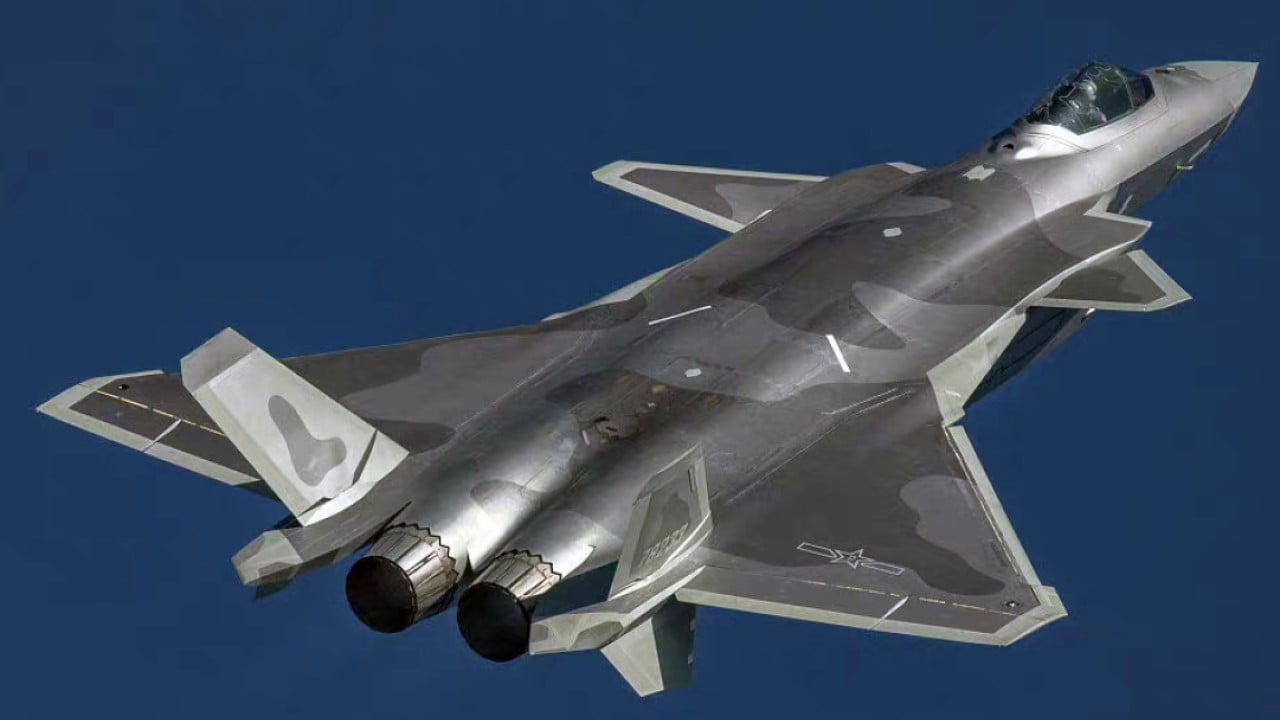
Parallel to the export ban, reports have emerged highlighting China's ongoing enhancements to its military arsenal, notably upgrades to the J-20 stealth fighter jet. According to the South China Morning Post (SCMP), citing military analyst Zhang Xuefeng on state broadcaster CCTV, the J-20—known as the "Mighty Dragon" and China's counterpart to the U.S. F-22 Raptor—is receiving significant avionics improvements. These include advanced radar systems, more powerful engines, and integration of artificial intelligence for enhanced combat effectiveness.
Zhang noted that the upgraded J-20 is now operating seamlessly alongside China's stealth attack drones and early warning aircraft, strengthening its role in modern aerial warfare. The program underscores Beijing's push to achieve air superiority in potential regional conflicts, particularly scenarios involving Taiwan or the South China Sea. These developments, reported on January 11, arrive just days after the export ban, illustrating China's dual-track approach of economic pressure and military modernization.
Broader Geopolitical Context
China-Japan relations have long been fraught, rooted in historical animosities from World War II and postwar territorial claims. In recent years, tensions have intensified due to Japan's strategic pivot under Prime Minister Fumio Kishida's administration, which has expanded defense spending to 2% of GDP by 2027—the first major increase since the 1940s—and deepened the Quad alliance with the U.S., Australia, and India.
The Taiwan issue remains a flashpoint. Beijing views the island as inseparable from the mainland and has ramped up military drills, including simulated blockades, following U.S. House Speaker Nancy Pelosi's 2022 visit (echoed in subsequent high-profile transits). Japan, located just 110 kilometers from Taiwan at its closest point, has reiterated its security stake, with Tokyo approving record defense budgets that include hypersonic missiles and long-range strike capabilities.
The dual-use export ban evokes memories of previous Chinese restrictions, such as those imposed on Lithuania in 2021 over Taiwan ties or on U.S. firms during trade disputes. Analysts interpret it as economic coercion, potentially disrupting Japan's supply chains for semiconductors and rare earth-dependent technologies, given China's dominance in these areas.
Japanese officials have yet to issue a formal response to the ban as of January 12, but Foreign Ministry spokespersons have previously condemned similar measures as "unilateral and destabilizing." The U.S. State Department, monitoring closely, has reaffirmed commitments to allies under the U.S.-Japan Security Treaty.
Background on Dual-Use Controls and Regional Dynamics
Dual-use goods are regulated globally under frameworks like the Wassenaar Arrangement, to which both China and Japan subscribe. However, Beijing has increasingly wielded export controls as a foreign policy tool, as seen in gallium and germanium restrictions against the West in 2023 amid U.S. chip curbs.
China's military buildup, exemplified by the J-20 enhancements, aligns with President Xi Jinping's directive for a "world-class" military by 2049. The People's Liberation Army Air Force has inducted over 200 J-20s, with production accelerating via WS-15 engines that rival Western counterparts, reducing reliance on imported technology.
Outlook for Escalation
The export ban risks further straining supply chains and diplomatic channels, potentially prompting Japan to accelerate domestic production or seek alternatives from allies. Trilateral U.S.-Japan-South Korea summits, like that in August 2023 at Camp David, have fortified collective deterrence, but economic interdependence—Japan remains a top trading partner for China—may temper outright confrontation.
As Beijing continues J-20 upgrades and Tokyo bolsters defenses, the Asia-Pacific faces heightened risks of miscalculation. Diplomatic efforts, including potential ASEAN-mediated talks, will be crucial to prevent the Taiwan Strait or East China Sea disputes from spiraling.
(Word count: 682)






