
China Completes Military Maneuvers Near Taiwan Amid Regional Tensions
China has announced the successful completion of military maneuvers in close proximity to Taiwan, further escalating tensions in the Taiwan Strait as the Chinese government maintains its assertive stance on the sovereignty of the island. This development, which began on December 31, 2025, highlights the ongoing strategic military activities that have characterized the region, particularly as the geopolitical landscape continues to evolve.
The maneuvers involved various military exercises, including naval drills and air sorties, designed to enhance China's military readiness and capabilities in the event of a conflict over Taiwan. Although the official details of the exercises have not been fully disclosed, military analysts suggest that the drills serve both as a show of strength and a warning to Taiwan and its allies, particularly the United States, which has increased its support for Taipei in recent years.
"These exercises are a clear signal from Beijing that it remains committed to its objective of reunification with Taiwan, by force if necessary," said a military analyst who preferred to remain anonymous. "As the U.S. continues its diplomatic and military engagement with Taiwan, China is likely to respond with increased military posturing."
The maneuvers come at a time when tensions are already heightened in the region, following a series of military exercises conducted by both China and Taiwan. The Taiwanese government has also been ramping up its own defense capabilities in light of perceived threats from the mainland.
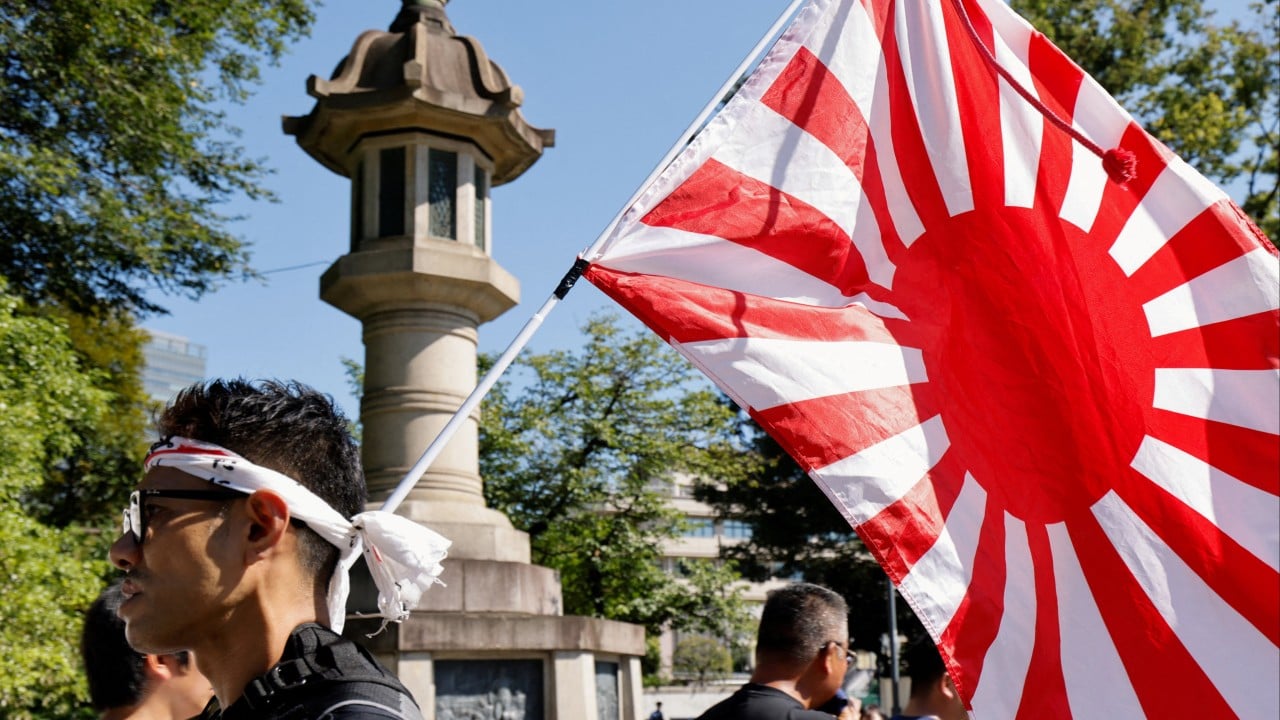
In a related context, China's geopolitical narrative has been shaped not only by its military ambitions but also by its commentary on neighboring countries. Recently, China's Communist Party-affiliated publication criticized Japan for what it perceives as a resurgence of militarism within Japanese culture and sports. This warning highlights China's sensitivity to Japan's military posture and its potential implications for regional security dynamics. According to the article, the Communist Party views certain cultural elements, such as popular sports figures, as channels for far-right influences that could distort historical perceptions of aggression.
As tensions mount, regional experts are closely monitoring the situation for any signs of escalation. The completion of these military drills may lead to a recalibration of strategies among Taiwan and its international partners, particularly as discussions surrounding defense cooperation continue to grow.
Background
The Taiwan Strait has long been a flashpoint for tensions between China and Taiwan. Since the end of the Chinese Civil War in 1949, Taiwan has maintained a separate governance structure and has been operating independently, although Beijing considers the island part of its territory. The situation has been exacerbated by the Chinese government's increasing military assertiveness and the U.S.'s commitment to supporting Taiwan through arms sales and diplomatic engagement.
In recent years, incidents involving Chinese military aircraft and naval vessels near Taiwan have become more frequent, prompting concerns about a potential military confrontation. These developments come in the context of broader regional tensions, including China's ongoing military exercises in the South China Sea and its relationships with other countries, especially in light of the U.S.'s strategic pivot towards Asia.
Conclusion
The completion of military maneuvers near Taiwan underscores the complex geopolitical landscape in East Asia, where military readiness and national sovereignty continue to be hotly contested themes. As China solidifies its military capabilities, the implications for regional security and international relations remain significant, with Taiwan and the U.S. likely to adjust their strategies in response to ongoing developments. The interplay between military actions and cultural narratives further complicates the regional dynamics, highlighting the multifaceted nature of geopolitical tensions in this volatile part of the world.






