
Chile's Seismic Surge: Community Resilience Amid Rapid Earthquake Cluster
What's Happening
The earthquake occurred during local evening hours, with CSN and USGS confirming the 4.9 magnitude and epicenter near Vallenar. Residents in Vallenar and Copiapó reported intense shaking due to the shallow depth, leading to power outages, minor structural damage like cracked walls, and evacuations. A local resident, Maria Lopez, shared on social media: "We felt the ground roar; kids were upset, but neighbors quickly checked on elders." Emergency services responded promptly, with Atacama's regional government confirming no casualties, though infrastructure inspections continue. This event is part of a 48-hour cluster, including quakes of 4.6 at 10 km depth and 4.8 at 106.23 km, where shallower tremors amplify surface impacts on homes and roads.
Context & Background
Chile's northern region lies on the Pacific Ring of Fire, experiencing increased seismic activity since late February 2026. Key events include a 4.9-magnitude quake on February 26 near Ollagüe and multiple tremors in Antofagasta. This pattern of seismic swarms heightens risks for remote mining towns, where vulnerabilities from historical events exacerbate challenges for copper-dependent economies.
Why This Matters
This earthquake cluster disrupts livelihoods in Chile's major copper-producing Atacama Region, causing mining operation halts that result in economic losses and rising unemployment in poverty-stricken areas. Communities are adapting through neighborhood networks for emergency support, but the rapid events expose inequalities, as wealthier areas recover faster than indigenous villages with outdated infrastructure, potentially widening socio-economic gaps without government intervention.
Looking Ahead
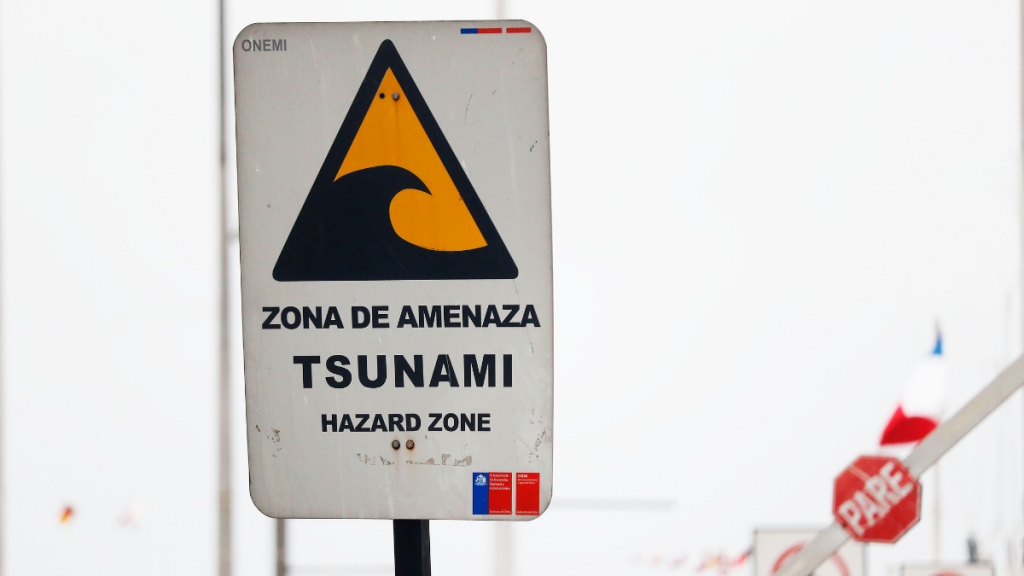
Experts predict possible aftershocks, with historical patterns suggesting escalation to magnitude 5.0 or higher within 72 hours. The government may enhance ONEMI alerts and seek international aid for seismic retrofits. Long-term focus should include building resilient mining infrastructure and conducting more preparedness drills in vulnerable areas like Vallenar and Antofagasta to mitigate future risks.
This is a developing story and will be updated as more information becomes available. (Word count: 612)