Central African Republic Faces Escalating Humanitarian Crisis Amid Persistent Armed Clashes
Bangui, Central African Republic – The Central African Republic (CAR) continues to grapple with a high-severity chronic crisis defined by widespread violence and armed confrontations over territorial control and natural resources, as highlighted in a recent humanitarian strategy report. Despite concerted efforts by the government and international aid organizations, the nation remains far from achieving sustainable peace, with displacement and basic needs shortages exacerbating the instability.
The latest assessment from the Shelter Cluster, published on January 9, 2026, underscores the entrenched nature of the conflict. Titled "CAR: Shelter and Essential Household Items Strategy (AME) for March 2025," the report describes CAR as "marquée par une crise chronique complexe rythmée par des violences et affrontements armés pour le contrôle du territoire et des ressources" – marked by a complex chronic crisis punctuated by violence and armed clashes for control of territory and resources. This document, aimed at guiding shelter and household item distributions, paints a grim picture of ongoing insecurity compounded by environmental disasters such as recurrent flooding.
Details of the Ongoing Violence
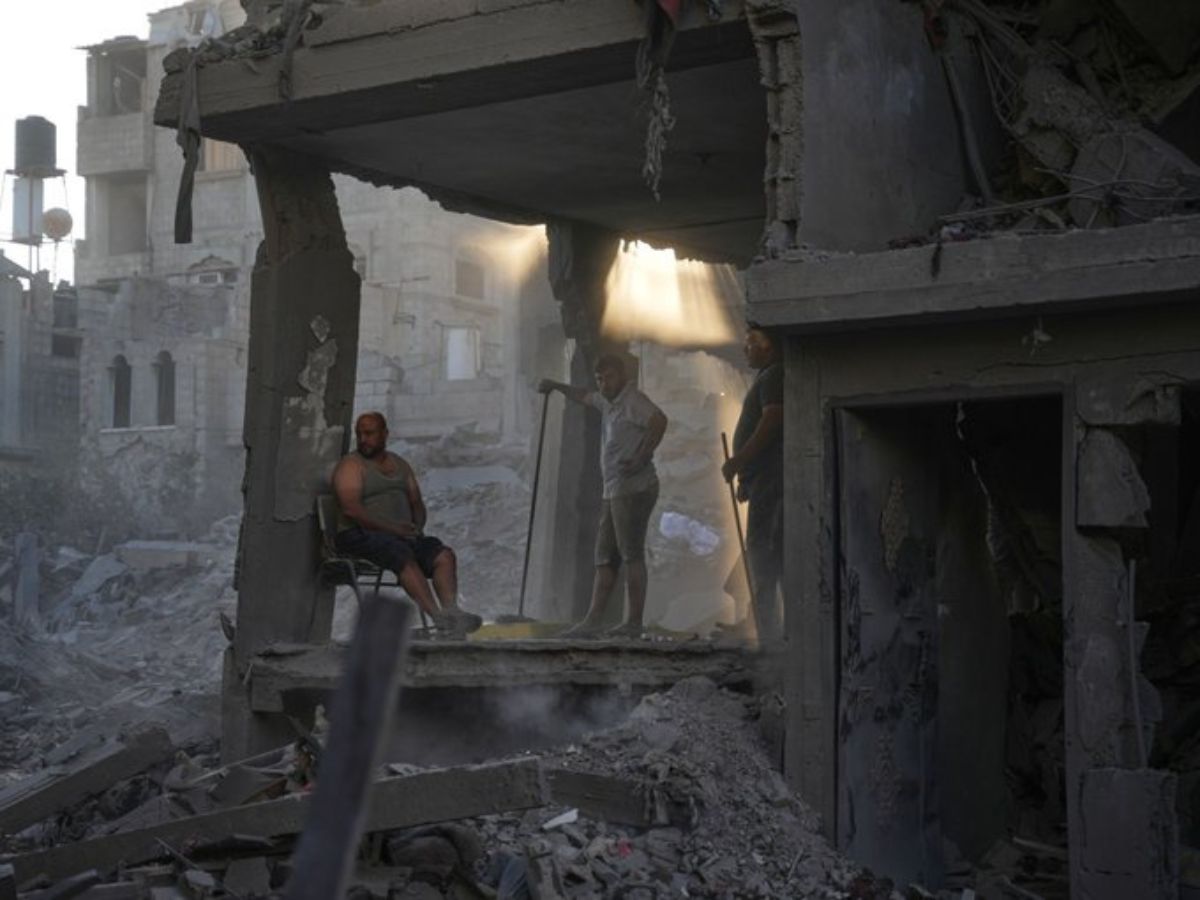
The report details how armed groups continue to vie for dominance in resource-rich areas, leading to repeated displacements and destruction of civilian infrastructure. Humanitarian actors note that while significant interventions have been made, the security environment hampers effective aid delivery. The strategy focuses on providing emergency shelter and essential household items to displaced populations, but persistent clashes disrupt these operations.
In recent months leading up to the report's release, violence has intensified in key regions, including the northwest and east, where coalitions of rebels and government-allied forces clash frequently. The document references additional pressures from "désastres liés aux inondations" – disasters linked to flooding – which have worsened living conditions for hundreds of thousands already affected by conflict.
Historical Context and Background
The Central African Republic's conflict traces back to a 2012 rebellion by the Seleka coalition, primarily Muslim armed groups, which ousted President François Bozizé and installed Michel Djotodia as the country's first Muslim leader. This sparked retaliatory violence from Christian-dominated Anti-Balaka militias, plunging the nation into a sectarian civil war. By 2014, the United Nations deployed the Multidimensional Integrated Stabilization Mission in the Central African Republic (MINUSCA), which has since maintained around 15,000 peacekeepers to protect civilians and support stabilization.
President Faustin-Archange Touadéra, elected in 2016 and re-elected in 2020-2021 amid controversy, has relied on Russian military instructors – often associated with the Wagner Group – to bolster government forces against the Coalition of Patriots for Change (CPC), a 2021 rebel alliance. These dynamics have led to territorial fragmentation, with armed groups controlling up to 70% of the countryside as of recent UN reports. Gold and diamond mining sites remain flashpoints, fueling the economy of non-state actors.
Humanitarian needs have ballooned, with over 2.5 million people – more than half the population – requiring assistance in 2024, according to UN OCHA data. Internally displaced persons (IDPs) number around 630,000, while refugee outflows strain neighboring countries like Cameroon, Chad, and the Democratic Republic of Congo.
Humanitarian Response and Challenges
The Shelter Cluster's March 2025 strategy represents a targeted response within a broader $329 million humanitarian response plan for CAR in 2025, seeking to aid 2.2 million people. It prioritizes abris (shelters) and articles ménagers essentiels (essential household items) like tarpaulins, cooking kits, and mosquito nets for flood- and conflict-affected families. However, the report laments that "bien que beaucoup d’efforts ont été consentis par le gouvernement et les acteurs humanitaires, le pays reste encore loin de l’instauration d’une paix durable" – despite many efforts by the government and humanitarian actors, the country remains far from establishing lasting peace.
Access constraints are acute: Aid convoys face ambushes, and up to 40% of the country is deemed insecure for operations. International donors, including the European Union, United States, and UN agencies, have pledged support, but funding gaps persist at around 50% annually.
Outlook and International Concerns
As clashes persist into early 2026, the international community urges renewed political dialogue. The Luanda and Khartoum peace processes, initiated in 2019, have faltered, with key signatories violating ceasefires. MINUSCA's mandate was extended through 2025, but its drawdown plans raise fears of a security vacuum.
Analysts point to the upcoming national elections – potentially in late 2025 or 2026 – as a pivotal moment, though violence could derail them as in past cycles. Humanitarian leaders call for enhanced protection mechanisms and inclusive governance to address root causes like poverty, corruption, and ethnic divisions.
In the absence of a comprehensive political settlement, the cycle of violence and displacement shows no signs of abating, leaving CAR's 5.5 million people in a precarious state. The Shelter Cluster's report serves as a stark reminder that without peace, even the most robust aid strategies can only provide temporary relief.
(Word count: 712)