
Canada's Crime Surge: How Cyber Breaches Fuel Physical Threats
Breaking Developments and Historical Context
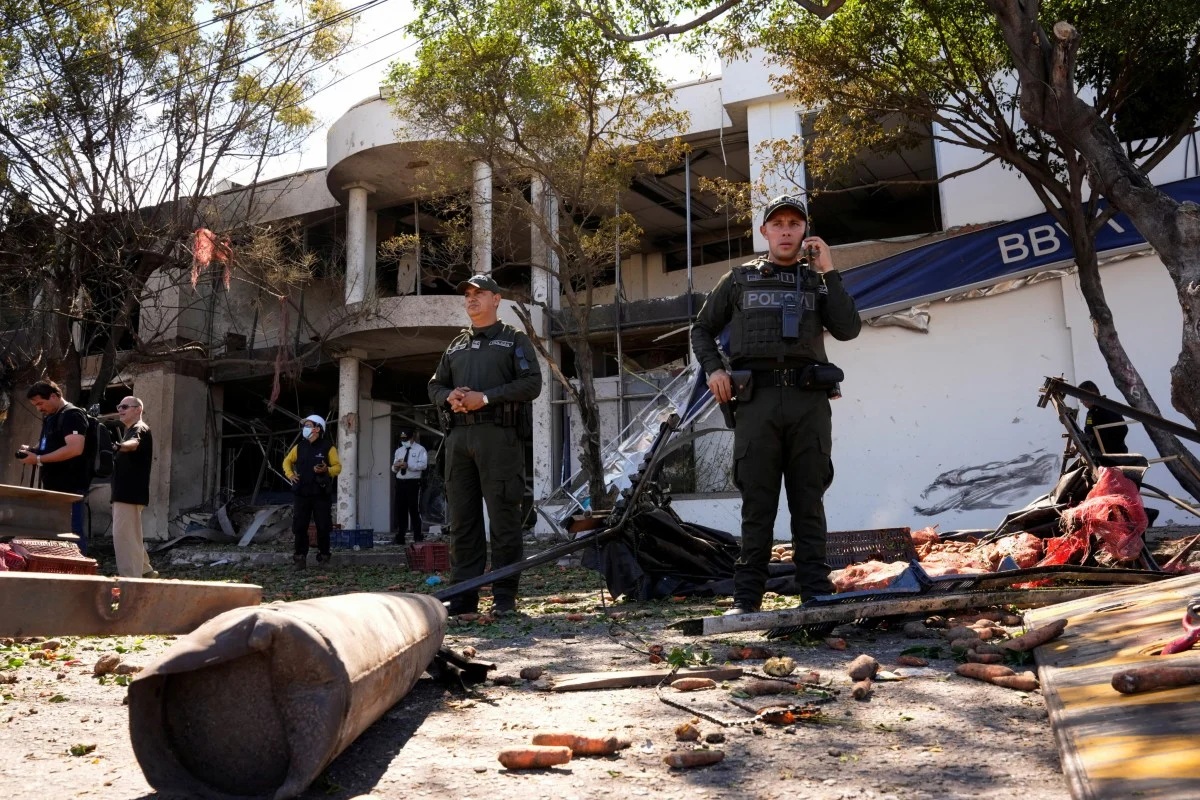
Canada is facing an alarming rise in crimes blending cyber and physical elements. On March 10, 2026, a shooting at the U.S. Consulate in Toronto injured a security officer, triggering a manhunt and lockdowns. Investigations suggest a lone gunman, possibly motivated by grievances, while Loblaw's recent data breach exposed millions of customer records, potentially enabling identity theft and real-world attacks. This hybrid crime wave builds on earlier incidents, like the January 2026 Shivank Avasthi murder, Pearson Airport gold heist, and kidnapping cases, where digital tools amplified physical risks.
Original Analysis and Looking Ahead
Cyber breaches, such as Loblaw's, could escalate physical crimes by providing data for stalking or funding attacks, highlighting gaps in Canadian law enforcement. Social media buzz, like tweets from @TorontoCrimeWatch, underscores public fears. Looking ahead, hybrid crimes may surge 20-30% without reforms, prompting calls for stronger cybersecurity laws, RCMP-CSIS integration, and AI-driven surveillance. This could lead to economic impacts, like Loblaw's stock drop, and international tensions, making proactive measures essential for public safety.
This is a developing story and will be updated as more information becomes available. (Word count: 612)