Cameroon Braces for Worsening Food Insecurity in 2026 Amid Health Risks
Yaoundé, Cameroon – Food insecurity in Cameroon is projected to deteriorate significantly in 2026, with Crisis (IPC Phase 3) and Emergency (IPC Phase 4) conditions expected to expand across multiple regions, posing severe risks to public health despite temporary relief from recent harvests. This outlook, detailed in a recent report by the UN Office for the Coordination of Humanitarian Affairs (OCHA) citing analyses from FEWS NET and the Cadre Harmonisé, highlights vulnerabilities particularly in the Far North region.
The assessment, published on January 6, 2026, comes as part of OCHA's weekly snapshot of events in West and Central Africa from December 30, 2025, to January 5, 2026. It warns that while main harvests have provided short-term improvements, underlying drivers such as conflict, displacement, and economic pressures will drive a broader expansion of acute food shortages. In the Far North, some areas are already experiencing heightened needs, exacerbating the medium-severity crisis that began tracking intensifying trends around the same reporting date.
Expanding Crisis Conditions and Regional Impacts
The Integrated Food Security Phase Classification (IPC), a globally recognized standardized framework, defines IPC Phase 3 (Crisis) as situations where households face significant food consumption gaps, leading to high acute malnutrition rates and reliance on emergency coping strategies. IPC Phase 4 (Emergency) indicates even more dire circumstances, with widespread acute malnutrition and excess mortality risks if assistance is not scaled up. The Cadre Harmonisé, a similar early warning tool used across the Sahel and Central Africa, corroborates these projections through consensus-based analysis of food security indicators.
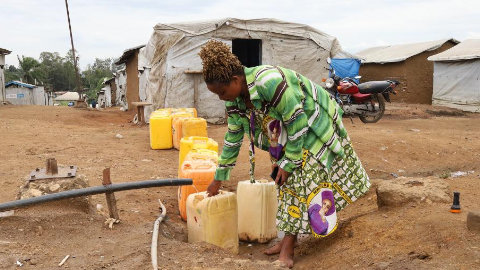
Cameroon's Far North region, bordering Nigeria and Chad, is flagged as a hotspot. Long plagued by Boko Haram insurgency since 2014, the area has seen over 120,000 Nigerian refugees and thousands of internally displaced Cameroonians as of late 2025, according to UN data. Flooding, poor rainfall, and livestock losses from disease have compounded agricultural shortfalls. The OCHA report notes that these factors will persist into 2026, potentially affecting millions despite harvest gains.
Other regions, including the Northwest and Southwest—sites of the ongoing Anglophone crisis since 2017—are also at risk of spillover effects. The conflict there has displaced over 700,000 people internally, disrupting farming and markets. Nationally, Cameroon's food insecurity affects about 2.7 million people in need of assistance as per 2025 humanitarian appeals, with projections indicating growth without intervention.
Health Implications of Food Shortages
Food insecurity directly threatens health outcomes, particularly for vulnerable groups like children under five, pregnant women, and the elderly. Acute malnutrition, a key IPC outcome, weakens immune systems, increasing susceptibility to diseases such as malaria, diarrhea, and respiratory infections—prevalent in Cameroon's tropical climate. In the Far North, global acute malnutrition (GAM) rates have historically exceeded WHO emergency thresholds of 15% in displacement camps.
UNICEF and the World Health Organization (WHO) have documented spikes in severe acute malnutrition (SAM) cases during past lean seasons, requiring therapeutic feeding programs. The 2026 projections could strain Cameroon's health infrastructure, already burdened by a doctor-to-patient ratio of about 1:5,000 and limited rural facilities. Economic inflation, hovering around 5-6% in 2025 per International Monetary Fund estimates, further erodes purchasing power for staples like maize, rice, and cassava.
Background on Cameroon's Humanitarian Challenges
Cameroon, a Central African nation of 28 million, has grappled with overlapping crises for over a decade. The Far North insurgency has killed thousands and destroyed livelihoods, while the Anglophone separatist conflict has polarized the country along linguistic lines, halting education and healthcare in affected zones. Climate shocks, including Lake Chad's 90% shrinkage since the 1960s, have reduced arable land in the north.
Humanitarian response has been robust but underfunded. The 2025 UN appeal sought $656 million for 2.8 million people but received only 40% by mid-year. FEWS NET, a USAID-funded network, has tracked seasonal patterns, noting post-harvest lulls followed by lean-season peaks from June to August. The Cadre Harmonisé, involving national governments and partners, provides monthly updates to guide interventions.
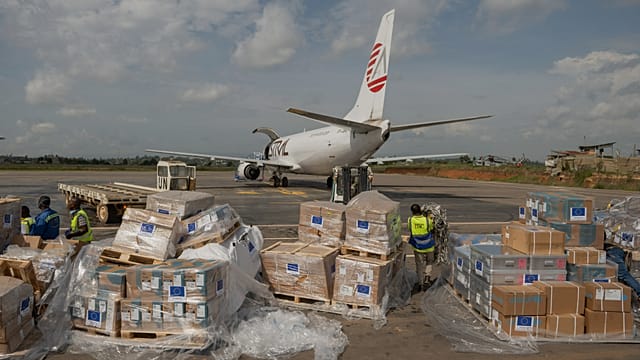
Government efforts include subsidized fertilizers and social safety nets, but insecurity hampers delivery. International partners like the World Food Programme (WFP) distribute aid to over 1 million monthly, focusing on cash transfers and school feeding.
Outlook and Calls for Action
The OCHA report underscores the urgency of prepositioning aid ahead of 2026's projected downturn. Without enhanced support, Emergency conditions could tip into Famine (IPC Phase 5) in isolated pockets, mirroring 2022 Sahel trends. Stakeholders emphasize diversified livelihoods, conflict resolution, and climate-resilient agriculture.
As Cameroon navigates these challenges, sustained international funding and local resilience-building remain critical to averting a deeper health and humanitarian crisis.
(Word count: 682)